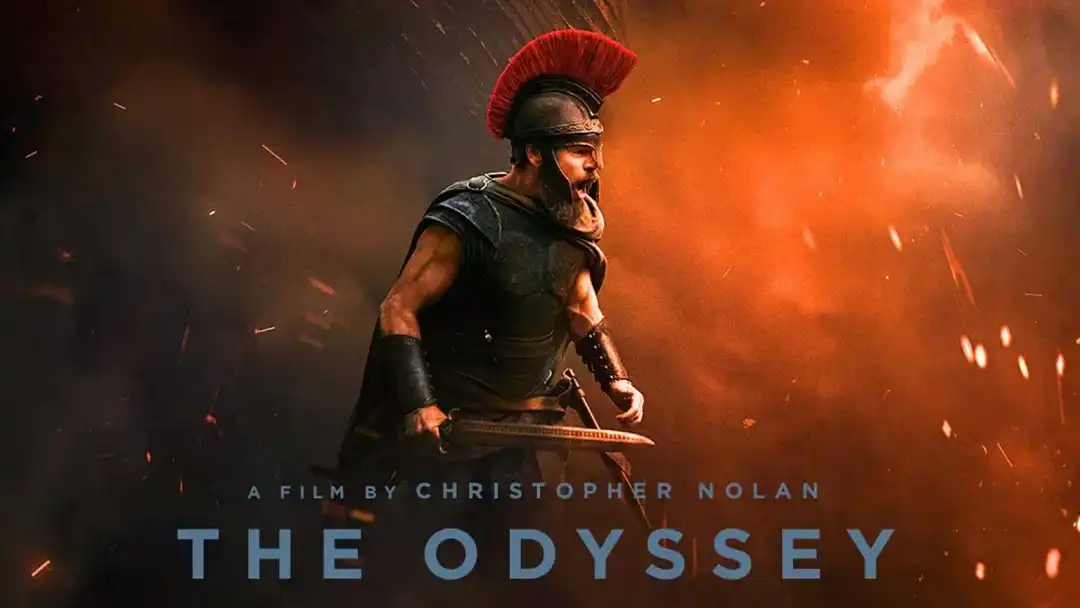
今年諾蘭重磅史詩新作《奧德賽》,以荷馬千年史詩為基底,用極具個人風格的雙線敘事、冷峻克制的鏡頭語言,重新演繹了人類文學史上最動人的“歸鄉之旅”。很多觀眾看完電影,會被龐大複雜的古希臘神話人物、層出不窮的神魔海怪、交錯纏繞的命運線索震撼,卻常常分不清角色淵源、人物關係與象徵意義。
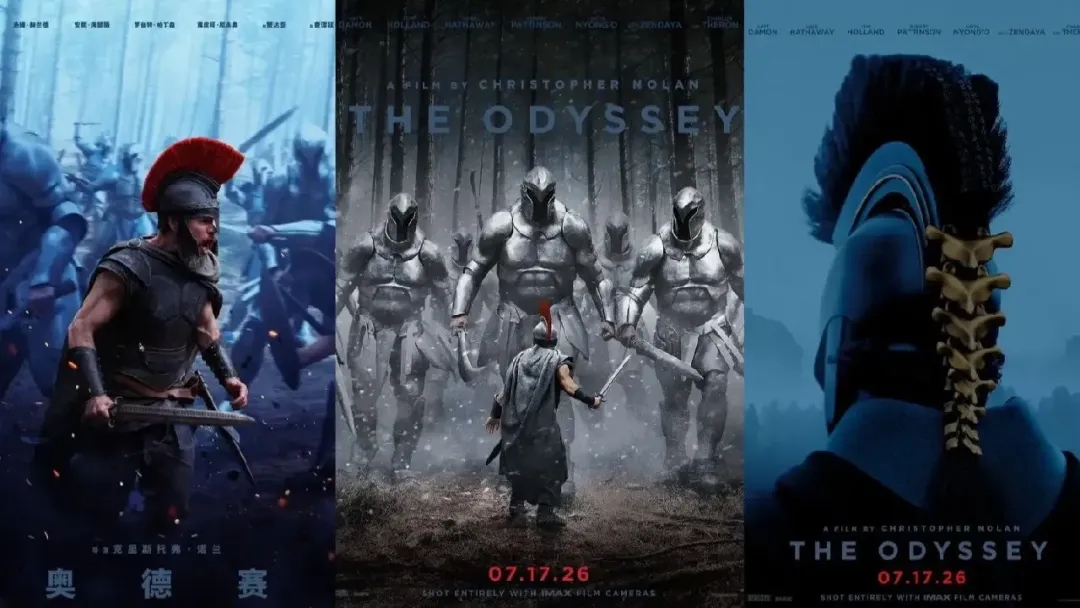
今天,我們完整梳理整部電影的世界觀,從電影主線劇情、奧林匹斯眾神、海上巨妖與精靈、特洛伊英雄、伊薩卡凡人五大維度,層層拆解,帶你徹底讀懂《奧德賽》背後完整的神話譜系與精神核心。
一、電影完整主線劇情:一場被傲慢改寫的十年歸途
影片故事始於特洛伊戰爭落幕。智勇無雙的伊薩卡國王奧德修斯,以千古聞名的“木馬計”終結長達十年的圍城之戰,幫助希臘聯軍攻破特洛伊城池。作為戰爭功臣,他本應率領船隊滿載榮耀、凱旋歸家,與妻兒團聚、重掌故土。
然而,征戰半生的奧德修斯在勝利中滋生驕傲,行事狂妄不羈,無意中冒犯海神波塞冬,觸怒諸神秩序。這份凡人的傲慢,換來諸神的懲戒:短短數日的歸途,被命運硬生生拉長為十年無盡的海上漂泊。
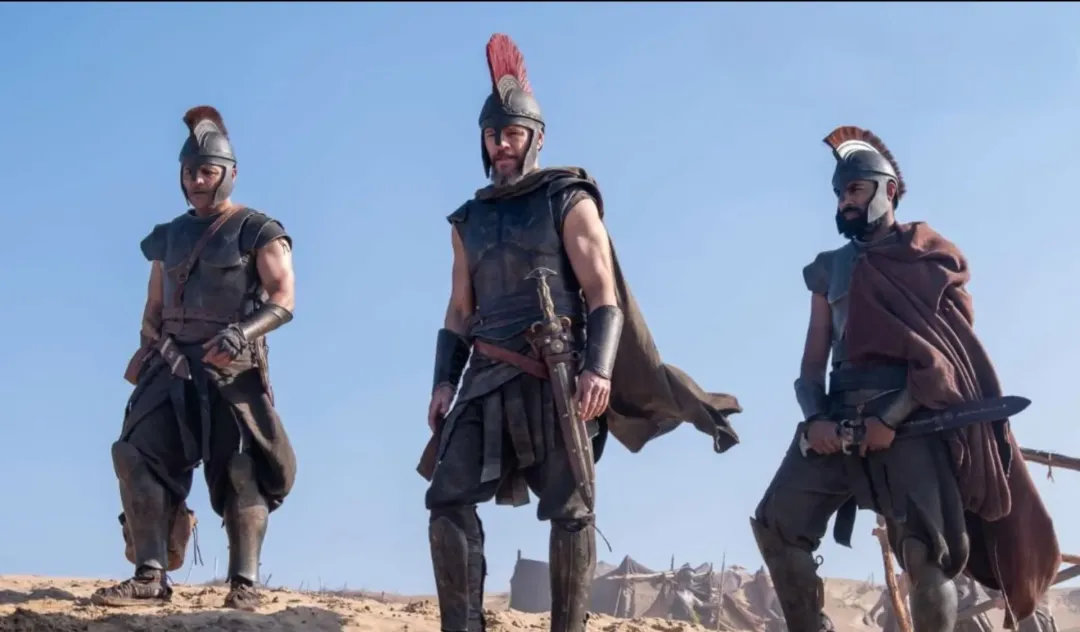
電影採用諾蘭標誌性的雙線敘事,一邊是海上的絕境試煉:奧德修斯帶領剩餘船員駛入茫茫大海,接連遭遇巨怪、海妖、魔法與迷霧。船隊一次次覆滅、船員逐一殞命,昔日赫赫英雄,最終淪落為孤身漂泊、無船無伴、無路可歸的流浪者,被神明困於孤島,進退兩難。
另一邊是故土的人間動盪:伊薩卡島十年無君、人心渙散。所有人默認奧德修斯早已戰死海外。眾多本地貴族與青年王公藉機盤踞王宮,肆意揮霍王室錢糧、日日宴飲作樂,輪番向王后珀涅羅珀逼婚,企圖篡奪王權、侵佔家國。年幼的王子忒勒馬科斯在無人庇護的王宮中孤獨長大,從懵懂怯懦的少年,在危機與神的指引中慢慢覺醒,學著守護家園、探尋父親下落。
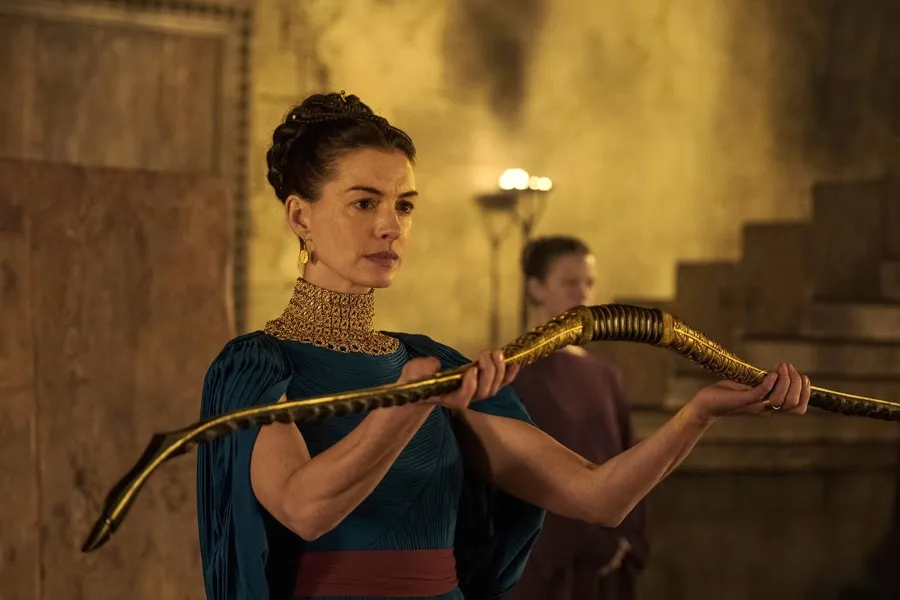
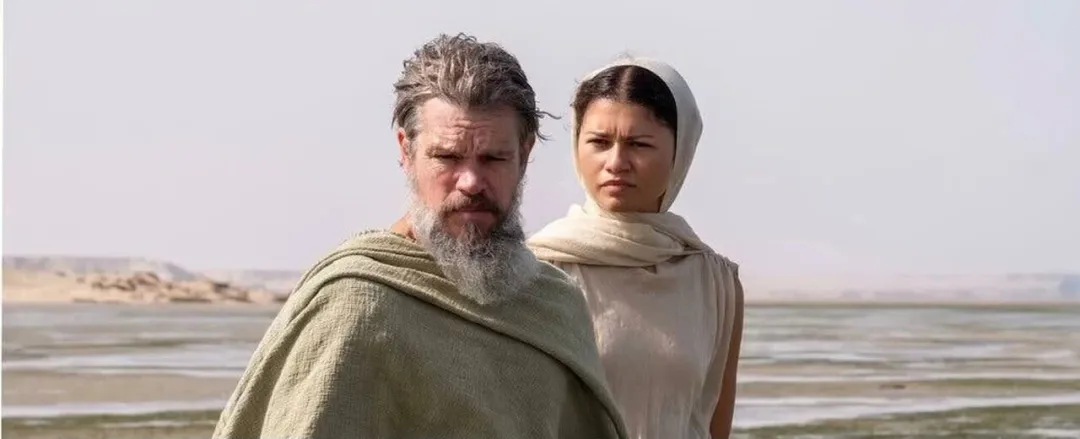
十年滄海桑田,天上眾神博弈終有定局。在雅典娜持續的庇護與宙斯的最終裁定下,奧德修斯得以掙脫海島禁錮、渡海重返故土。他隱去英雄身份,偽裝落魄乞丐,暗中觀察王宮亂象,與已然成長的兒子悄然聯手,以智慧、隱忍與謀略清理僭越者、恢復王室秩序、重建家園安寧。
整部電影,不只是簡單的英雄冒險故事。它講述的是:凡人因驕傲墜落,因試煉成長,因堅守本心,最終跨越命運風浪、完成自我救贖與靈魂歸鄉。
二、奧林匹斯眾神:掌控命運的至高力量
整部奧德賽的漂泊命運,始終被奧林匹斯眾神的意志左右。這些神明並非絕對完美的聖潔主宰,而是帶有性格、偏愛、憤怒與私心的神性個體,也正因如此,構成了整部史詩的宿命張力。
宙斯,奧林匹斯眾神之王,執掌雷霆與天地秩序,是最終的命運裁決者。他不輕易直接干預人間,但手握最終權柄。無論是釋放奧德修斯的歸鄉許可,還是懲罰船員褻瀆神聖、宰殺聖牛的惡行,皆由宙斯定奪。他代表宇宙秩序、因果法則,是整部故事最高的天道尺度。
雅典娜,智慧與戰爭女神,是奧德修斯一生最大的庇護者。她欣賞奧德修斯的智謀、隱忍與堅韌,自始至終站在他一邊。她多次暗中解圍、引導方向、護佑其子、助其偽裝歸來、協助復仇復位。在充滿喜怒無常的眾神之中,雅典娜象徵智慧、恩典與不離不棄的守護。
波塞冬,海神,整部故事的核心懲罰者。因兒子獨眼巨人被奧德修斯刺瞎,又遭其當眾挑釁,波塞冬心懷巨怒,以整片海洋為刑場,十年不息地阻攔、風浪吞噬、阻斷歸途。他代表自然狂暴的力量、被冒犯的威嚴,也是凡人驕傲所要承擔的沉重代價。
赫爾墨斯,眾神使者,迅捷靈動、穿梭天地。他在劇情中承擔關鍵助攻,奉宙斯之命傳遞旨意、解救被困的奧德修斯,並提前贈予護身草藥,幫助主角抵禦女巫魔法,是推動劇情轉折的溫柔力量。
赫利俄斯,太陽神,執掌光明與神聖秩序。他的聖牛不可侵犯,而奧德修斯船員在飢餓與貪婪中肆意宰殺,觸犯天條,最終引來宙斯雷霆滅船、全員覆滅,成為漂泊路上最慘痛的一次教訓,也印證了“褻瀆神聖必遭審判”的神話法則。
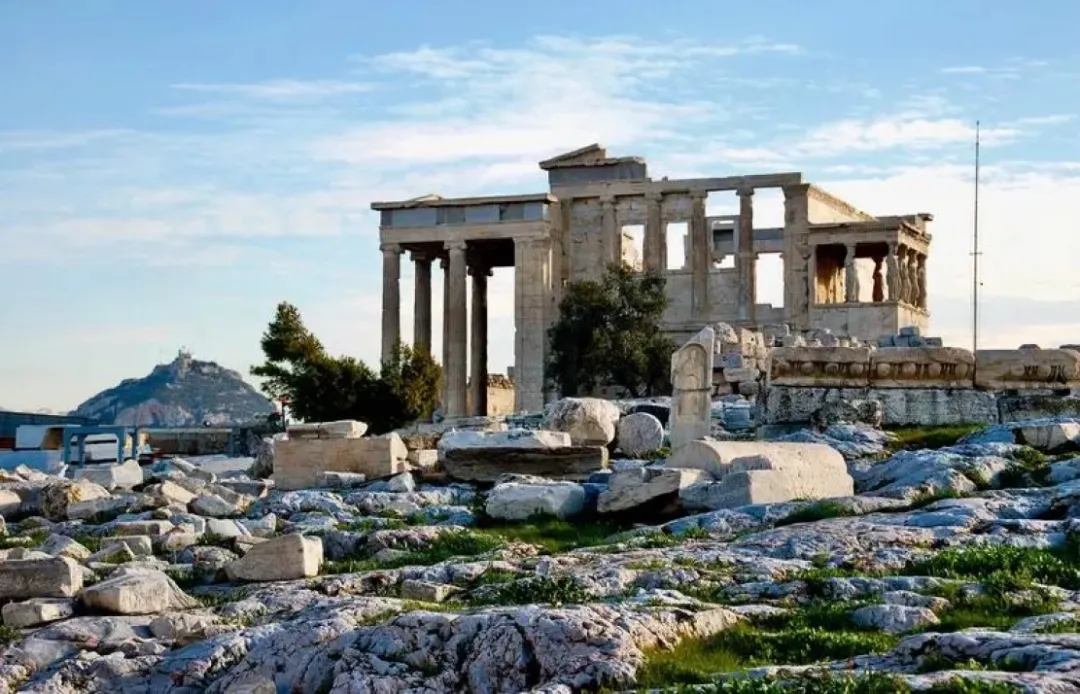
三、海上妖、怪、女巫:歸途之中的人性試煉場
諾蘭電影中所有登場的海怪、巨物、精靈與女巫,並非“怪物彩蛋”,它們各自對應人類生命中的恐懼、慾望、安逸、迷失與抉擇。
獨眼巨人波呂斐摩斯,海神之子,獨居孤島山洞的巨型野人。他野蠻、暴戾、無法無天,以吞噬闖入者為生。奧德修斯以智慧致盲巨怪、僥倖逃生,卻因得意炫耀姓名,徹底激怒海神,開啟十年劫難。他像征原始的暴力,也像征凡人炫耀與驕傲帶來的連鎖毀滅。
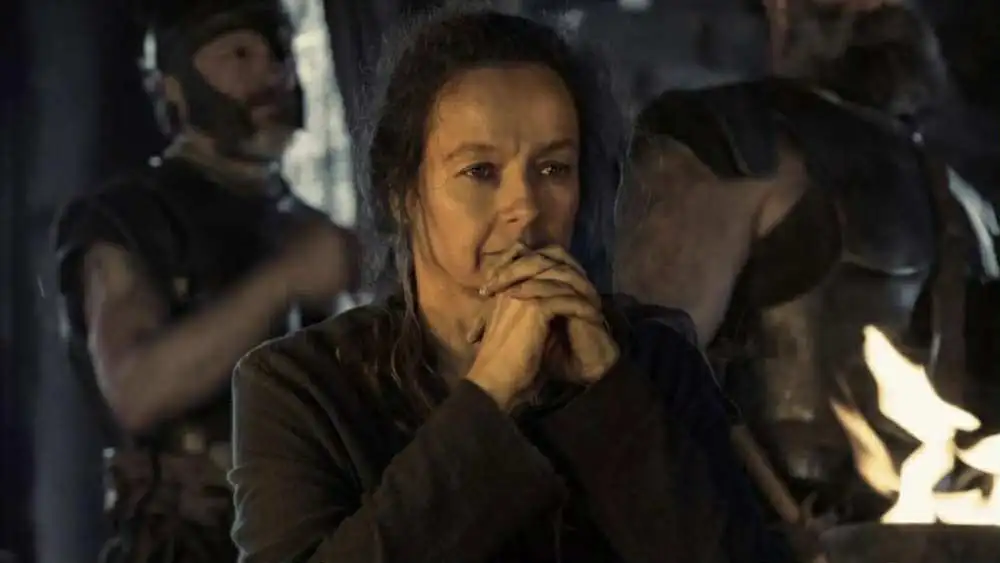
女巫喀耳刻,精通魔咒與草藥的海島女魔法師。她能將水手變為野獸,代表蠱惑人心的異化力量。被奧德修斯破法之後,她轉而善意指引,告知冥界路徑、海妖凶險、漩渦絕境,是整部旅程中最重要的“引路者”,象徵誘惑之中藏著智慧、絕境之中藏著啟示。
海仙女卡呂普索,獨居世外桃源般的孤島,深愛奧德修斯,以溫柔、永生、安逸將他囚禁七年。她不施暴虐,只用甜蜜的安樂困住英雄,讓人甘願放棄家國、放棄初心、放棄使命。她是整部故事最溫柔、最致命的誘惑,象徵消磨意志的舒適牢籠。
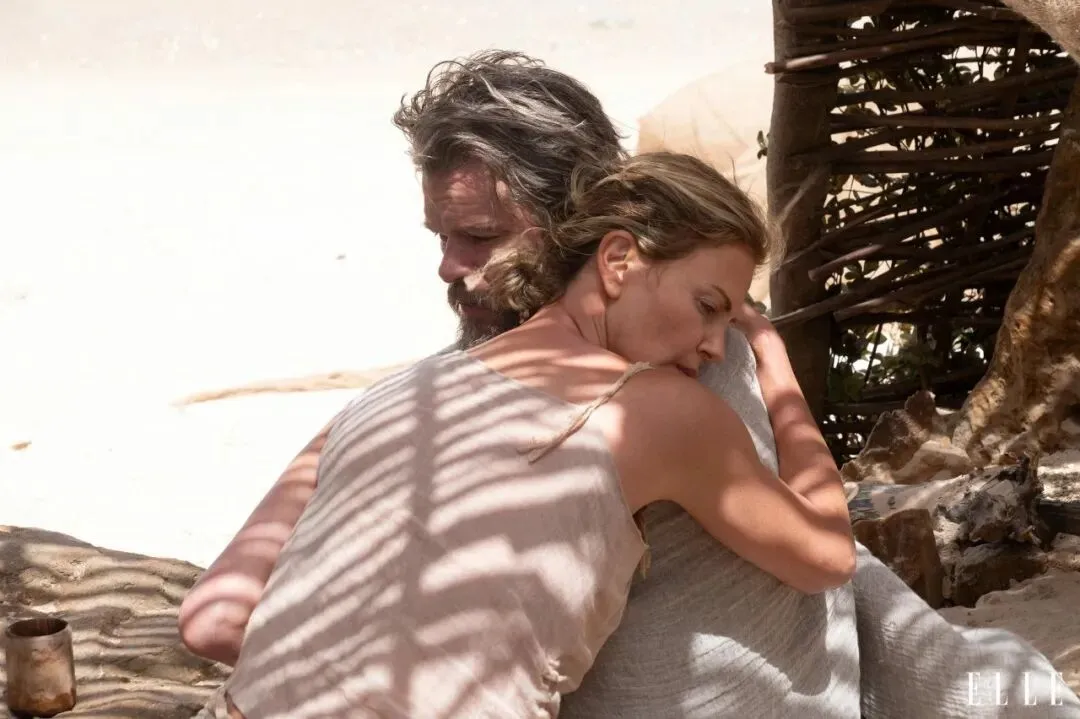
塞壬海妖,以絕美歌聲魅惑航海者。她們的歌聲勾起人對榮耀、青春、執念的最深渴望,使人失智撲海、葬身礁石。她們代表世間一切迷人卻致命的慾望與虛妄榮光。
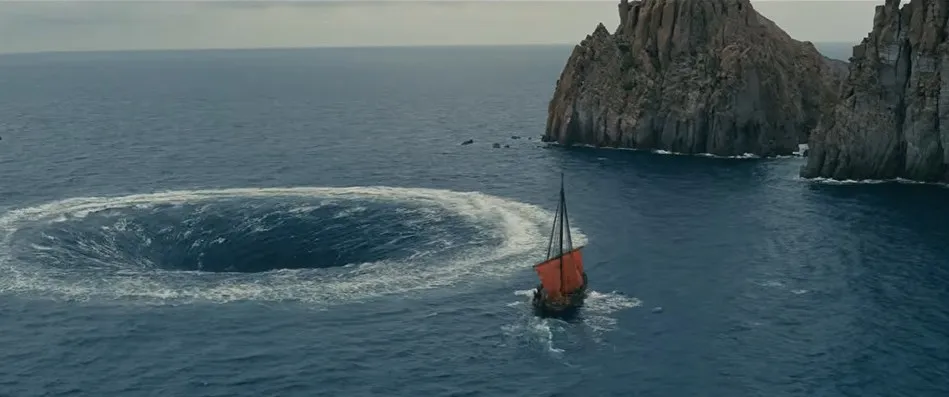
斯庫拉與卡律布狄斯,狹窄海峽兩端的雙重絕境。六頭妖女斯庫拉掠殺船員,吞噬鮮活生命;巨漩渦卡律布狄斯吞滅整片海域、粉碎船隻。兩者構成“兩難抉擇”的人生困境:人生總有無論如何都必須付出的犧牲,沒有完美通關的人生。
食人族巨人部落,體型魁梧、性情凶暴,以巨石毀船、屠殺外來水手。奧德修斯龐大船隊幾乎全軍覆沒,只剩一船倖存。他們象徵未知世界的野蠻凶險、無常禍患。
忘憂果族人,溫柔無害,卻能讓人吃下果實便遺忘故土、沉迷安樂、甘願漂泊不歸。象徵使人麻木沉淪、喪失初心的世俗安逸。
四、特洛伊傳奇英雄:逝去榮光與人生真相
影片冥界戲份中,多位特洛伊戰爭傳奇英雄亡魂登場,為整部故事賦予更深的人生哲思。
阿喀琉斯,希臘第一勇士,百戰無敵、榮光萬丈。但死後亡魂卻道出震撼人心的真理:寧願做世間最卑微的雇工,不願做冥界至高的亡靈之王。極致榮耀終是虛空,平凡人間生活,才是生命真正的珍貴。

阿伽門農,希臘聯軍統帥,贏下戰爭、權傾天下,歸鄉後卻遭遇妻子背叛、慘遭謀殺。他的悲劇告訴奧德修斯:戰功不能守護家庭,盛名無法抵禦人心險惡,歸來之後的人間秩序,才是一生真正的功課。
五、伊薩卡人間群像:等待、堅守與成長
如果說海上漂泊是神與命運的試煉,那王宮十年亂象,便是人間人性的照妖鏡。
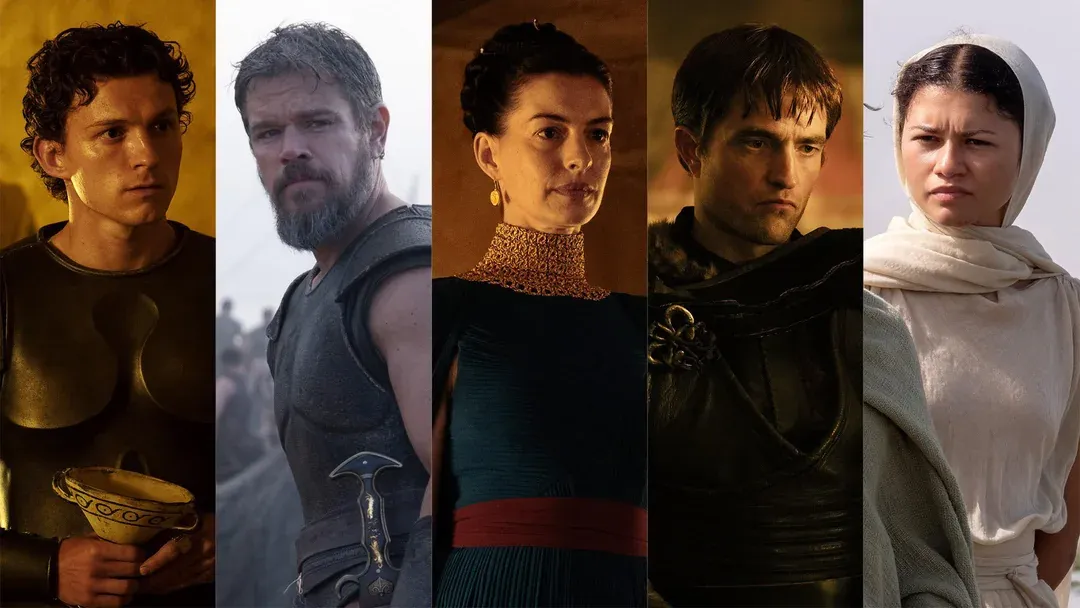
奧德修斯,整部史詩的核心。他聰明、隱忍、果敢、善於謀略,卻也驕傲、自負、容易輕狂。十年漂泊,是他從英雄的狂妄,走向謙卑、成熟、通透的生命洗禮。
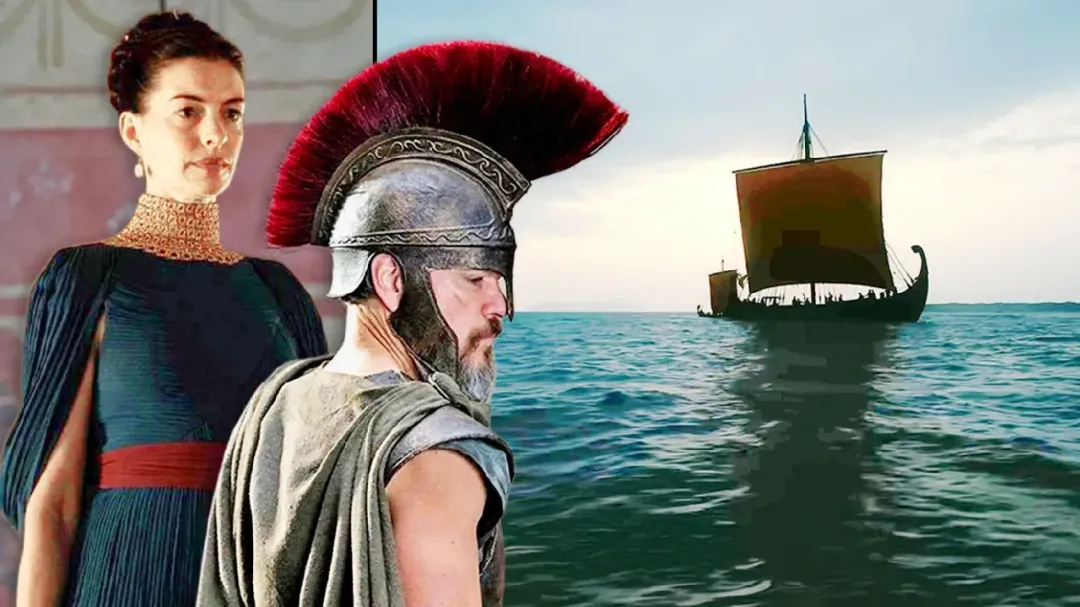
珀涅羅珀,奧德修斯的王后,忠貞、智慧、堅韌。十年獨守,面對逼婚與覬覦,她以織布拆布的智慧拖延時間、守護王室、守住初心,是整部故事溫柔而堅定的人間底色。
忒勒馬科斯,從懵懂孩童到血性王子。十年無父庇護,他在動盪中成長,在神的引導下覺醒,最終與父親並肩,守住家國傳承,代表新生與希望。
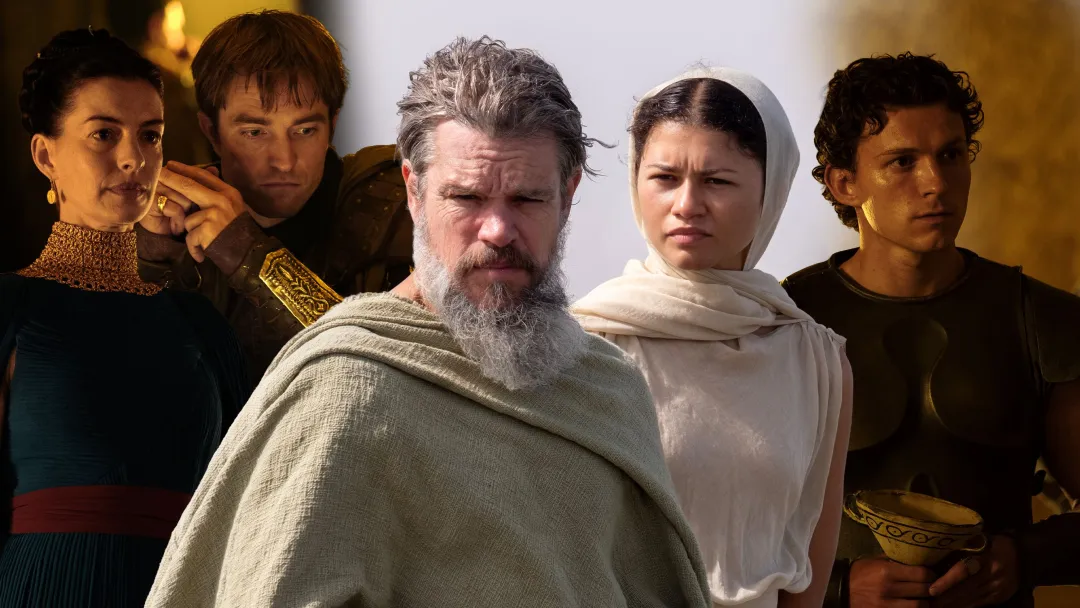
安提諾俄斯,求婚者之首,貪婪、囂張、狂妄,代表世間奪權僭越、貪慕虛榮、不知敬畏的人性惡。最終所有僭越者盡數覆滅,印證秩序終將回歸、正義終會落地。
六、我們每個人,都在經歷屬於自己的奧德賽
奧林匹斯的神明有偏愛、有憤怒、有私心,他們的意志左右凡人命運,卻不能直接剝奪人的選擇;各式各樣的海妖巨怪,不只是恐怖的猛獸,更像徵人在旅途之中會遭遇的誘惑、安逸、恐懼與絕境;而奧德修斯、珀涅羅珀、忒勒馬科斯這些凡人,則在神意與磨難之間堅守本心,對抗傲慢與慾望,執著奔赴歸鄉的信念。
諾蘭的電影在荷馬史詩的基礎之上做了部分改編、合併與取捨,但人物背後的神話底色依舊完整。把所有這些角色串聯起來,我們便能看清整部故事的內在邏輯。讀懂這些角色之間的羈絆與衝突,我們便能更深刻地體會這場偉大歸鄉之旅的重量,看懂英雄漂泊背後,關於慾望、驕傲、忍耐與堅守的永恆命題。
看完諾蘭鏡頭下這場跨越十年的漂泊與歸鄉,很容易在神話故事裡看見自己的影子。
我們未必會遭遇海神掀起的滔天巨浪,不會遇見獨眼巨怪與歌聲惑人的海妖,但人生旅途裡,一樣會有需要咬牙熬過的風浪:有因一時驕傲犯下的過錯,有甜蜜安逸編織的溫柔牢籠,有兩難取捨不得不做出的犧牲,也有漫長看不到盡頭的等待。很多時候,我們都像奧德修斯一樣,在現實裡顛沛,在誘惑前搖擺,一邊歷經磨難,一邊心底始終揣著一份對“歸處”的執念。
所謂歸鄉,不止是回到某一座城、某一個家。它更是內心的回歸:歷經世事浮沉之後,不丟失本心,不磨滅堅守,在喧囂的世界守住自我的秩序。
神話已經遠去,但試煉仍在繼續。願我們穿越人生的重重考驗,縱然路途漫長,也始終守住心中那片故土,等到屬於自己的抵達。
Understanding Nolan’s Odyssey: Gods, Monsters, and Mortal Heroes in Myth
Christopher Nolan’s epic blockbuster Odyssey, adapted from Homer’s millennia-old masterpiece, reinvents humanity’s most timeless “journey home” through his signature dual-timeline structure and restrained, cinematic storytelling. Many viewers are overwhelmed by the sprawling Greek mythological cast, endless sea monsters, intertwined destinies, and layered symbolic meanings, leaving them confused about character origins, relationships, and thematic metaphors.
In this comprehensive guide, we unpack the complete worldview of Nolan’s film across five core dimensions: the full storyline, Olympian gods, sea monsters and enchantresses, Trojan legends, and mortal characters of Ithaca. This thorough breakdown reveals the complete mythological system and profound spiritual core behind Odyssey.
1. Full Plotline of the Film: A Ten-Year Journey Altered by Human Arrogance
The story opens at the conclusion of the Trojan War. Odysseus, the wise and valiant king of Ithaca, ends the decade-long siege with his legendary Trojan Horse stratagem, granting the Greek coalition total victory over Troy. As a celebrated war hero, he should have sailed home in glory to reunite with his family and restore his kingdom.
Yet consumed by pride after endless battles, Odysseus grows arrogant and reckless, inadvertently offending Poseidon and violating the order of the gods. This mortal hubris triggers divine punishment: a short triumphant return is stretched into an endless ten-year maritime exile.
Nolan adopts his iconic dual-narrative style. One timeline follows Odysseus’s desperate trials at sea. Leading his remaining crew into the boundless ocean, he encounters ferocious giants, bewitching sirens, dark magic, and endless fog. His fleets are repeatedly destroyed, his crew perishes one by one, and the once-great hero is reduced to a solitary wanderer trapped on remote islands, stripped of ships and companions, hopelessly stranded at sea.
The second timeline depicts the collapsing order of his homeland. For a decade without a ruling king, Ithaca falls into chaos. The entire nation assumes Odysseus has died abroad. Local nobles and young aristocrats occupy the royal palace, squander national wealth, feast recklessly day and night, and aggressively pressure Queen Penelope into marriage, plotting to seize the throne and conquer the kingdom. Telemachus, the young prince, grows up fatherless in a turbulent court. Timid and ignorant in his childhood, he gradually awakens amid crisis and divine guidance, learning to protect his homeland and search for his missing father.
After ten years of vicissitudes, the games of the Olympian gods finally settle. Through Athena’s persistent protection and Zeus’s final decree, Odysseus is freed from his island captivity and allowed to sail home. Disguised as a destitute beggar to conceal his heroic identity, he observes the palace corruption in secret, unites with his fully grown son, and restores royal order and national peace through wisdom, patience, and strategy, expelling all usurpers.
Far more than a simple adventure tale, Odyssey tells a profound story of humanity falling through arrogance, maturing through suffering, and achieving spiritual redemption and homecoming by holding fast to one’s original heart amid fate’s storms.
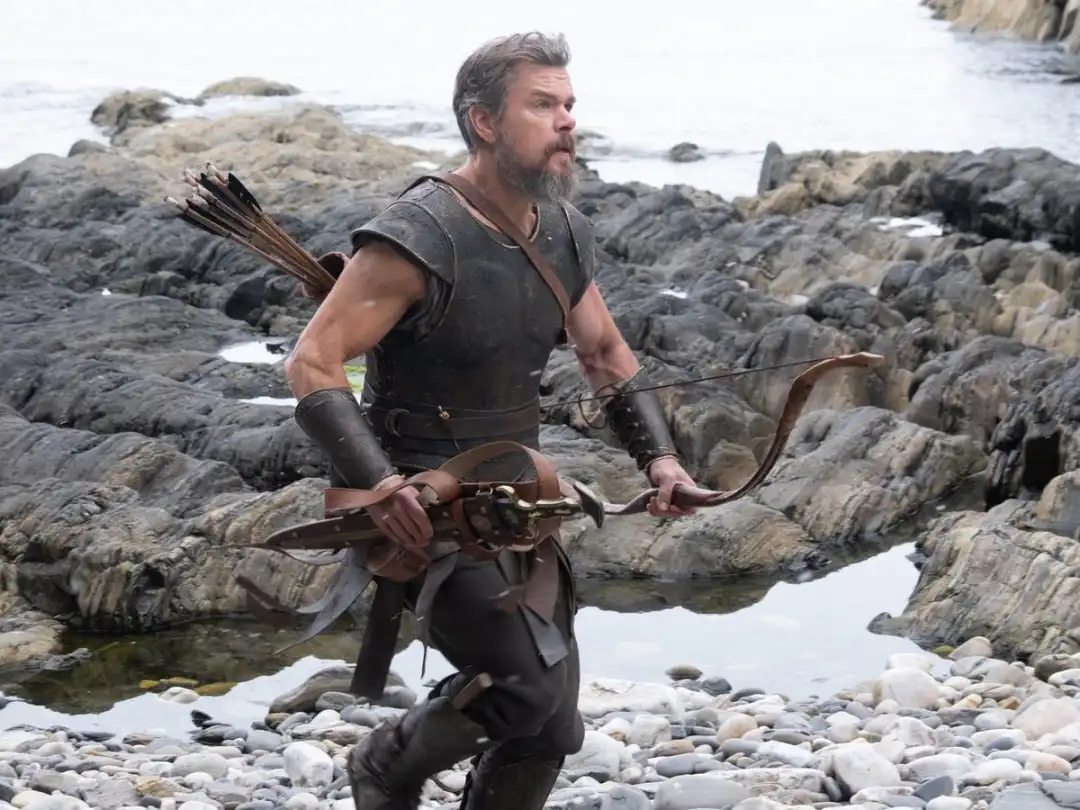
2. Olympian Gods: The Supreme Forces Governing Human Destiny
Odysseus’s decade-long wandering is entirely shaped by the will of the Olympian gods. These deities are not perfect, sinless sovereigns; they possess distinct personalities, personal preferences, wrath, and selfish desires, creating the intense fatalistic tension that defines the epic.
Zeus, King of the Olympians, governs thunder and cosmic order as the ultimate arbiter of fate. He rarely intervenes directly in mortal affairs but holds absolute final authority. Whether granting permission for Odysseus’s return or punishing the crew’s sacrilege of slaughtering sacred cattle, all judgments are issued by Zeus. He represents universal cosmic order, karmic law, and the highest moral principle of the mythological world.
Athena, Goddess of Wisdom and War, serves as Odysseus’s lifelong patron and protector. Admiring his intelligence, endurance, and fortitude, she stands firmly on his side throughout his ordeal. She repeatedly rescues him from danger, guides his path, guards his son, arranges his beggar disguise upon his return, and assists him in reclaiming his throne. Amid the fickle, temperamental Olympian deities, Athena symbolizes divine wisdom, grace, and unwavering guardianship.
Poseidon, God of the Sea and the primary force of retribution in the story. Enraged by the blinding of his son Polyphemus and Odysseus’s public defiance, he transforms the entire ocean into a place of punishment. For ten years, he stirs endless storms, blocks all passages home, and crushes every hope of return. He embodies the ferocious power of nature, the dignity of offended authority, and the heavy price of mortal arrogance.
Hermes, Messenger of the Gods, swift and agile, traveling freely between heaven and earth. He plays a decisive supportive role in the plot, delivering Zeus’s edicts to free the stranded Odysseus and gifting protective herbs to shield him from Circe’s dark sorcery, becoming a crucial turning point in the hero’s survival.
Helios, God of the Sun, presides over light and sacred cosmic order. His sacred cattle are inviolable. Driven by hunger and greed, Odysseus’s crew slaughters the holy livestock, committing unforgivable sacrilege. Zeus unleashes thunderbolts to annihilate the fleet, killing every remaining sailor. This catastrophic loss marks the most painful lesson of Odysseus’s journey, proving that profaning sacred law always brings divine judgment.
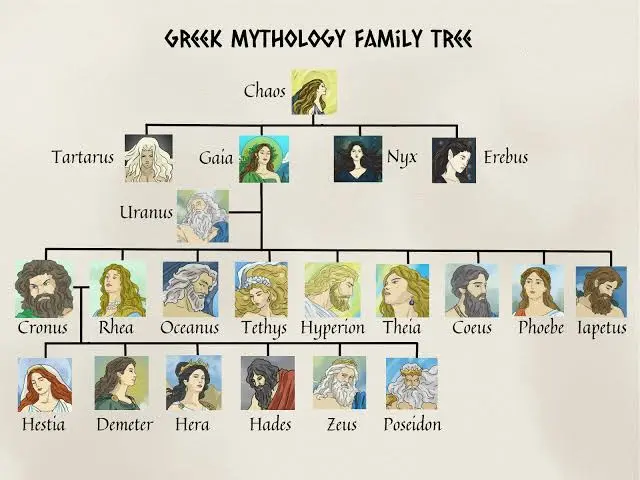
3. Sea Monsters, Witches and Spirits: The Trial Grounds of Human Nature
Every monster, giant, enchantress, and spirit appearing in Nolan’s film is far more than visual spectacle. Each creature symbolizes humanity’s deepest fears, worldly temptations, complacent degradation, spiritual loss, and unavoidable life dilemmas.
Polyphemus the Cyclops, son of Poseidon, is a savage giant dwelling alone in a secluded cave. Brutal, lawless, and ungodly, he preys ruthlessly on trespassers. Odysseus blinds the giant through clever tactics and narrowly escapes death, yet foolishly reveals his true name in triumph, incurring Poseidon’s eternal vengeance and triggering his ten-year catastrophe. The Cyclops symbolizes primitive violent force and the chain of destruction caused by mortal vanity and arrogance.
Circe the Enchantress, a powerful island sorceress skilled in potions and dark magic, transforms wandering sailors into wild beasts, embodying corrupting, alienating worldly temptation. After Odysseus breaks her spell, she repents and offers crucial guidance, instructing him on traveling to the Underworld, evading the Sirens, and surviving the deadly straits of Scylla and Charybdis. She represents hidden wisdom within temptation and revelation found within despair.
Calypso the Nymph dwells on an isolated paradise island. Falling deeply in love with Odysseus, she imprisons him for seven years with gentle companionship, luxurious ease, and the promise of eternal immortality. Using no violence, she traps the hero with sweet comfort, tempting him to abandon his homeland, mission, and original aspiration. She is the story’s gentlest yet most lethal temptation, symbolizing the cozy cage of comfort that erodes human will and ambition.
The Sirens, demonic sea creatures renowned for their mesmerizing singing voices. Their melodies awaken humanity’s obsessions with past glory, youthful vanity, and unfulfilled desires, driving sailors mad and luring them to drown on bone-strewn reefs. They embody all glamorous yet fatal worldly cravings and illusory vanity.
Scylla and Charybdis guard a narrow deadly strait, forming an inescapable double catastrophe. The six-headed monster Scylla snatches and devours sailors from passing ships, while the colossal whirlpool Charybdis swallows the entire sea, crushing vessels completely. This pair symbolizes life’s inevitable dilemmas: no perfect choices exist, and sacrifice is always required for survival.
The Laestrygonians, a tribe of cannibal giants with towering stature and ferocious temperaments, destroy nearly Odysseus’s entire fleet with boulders and brutal massacres, leaving only one surviving ship. They represent the brutality of the unknown world and unpredictable worldly disasters.
The Lotus-Eaters inhabit a peaceful island with no hostility, yet their lotus fruit erases memories of homeland and kinship, inducing numbing complacency and endless wandering. They symbolize secular ease that paralyzes motivation, erodes faith, and makes people abandon their life mission.
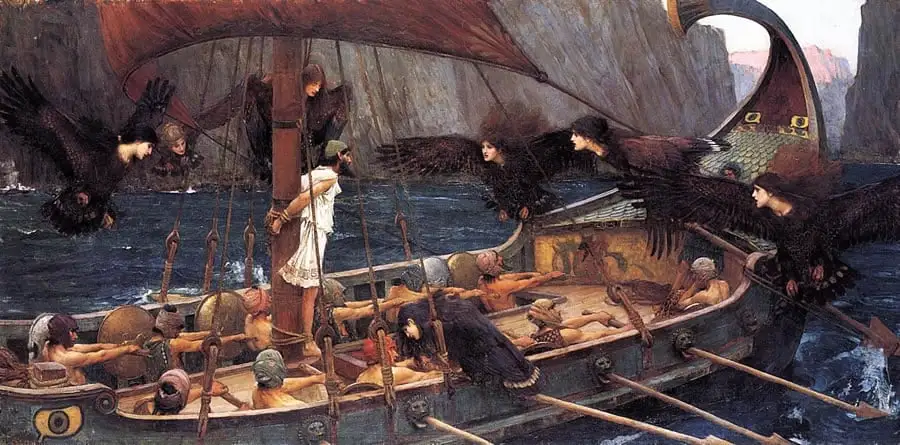
4. Legendary Trojan Heroes: Vanishing Glory and the Truth of Life
Ghosts of numerous iconic Trojan War heroes appear in the Underworld sequences, adding profound philosophical depth to the epic.
Achilles, the greatest Greek warrior, undefeated on the battlefield and crowned with unparalleled glory. Yet his ghost utters a stirring truth: he would rather be a humble laborer on earth than reign as the king of the dead in the Underworld. Supreme worldly glory is ultimately empty; ordinary mortal life holds the truest and most precious meaning.
Agamemnon, commander-in-chief of the Greek coalition, wins the ten-year war and achieves supreme power, only to be betrayed and murdered by his wife upon returning home. His tragedy teaches Odysseus that military merit cannot protect family happiness, fame cannot guard against human wickedness, and rebuilding earthly order is life’s most essential lesson.
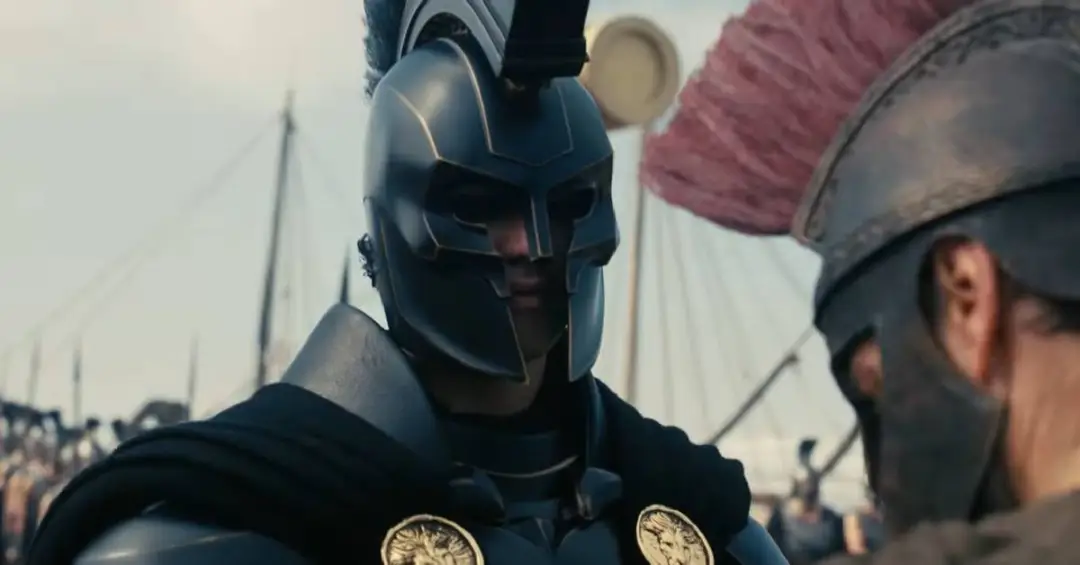
5. Mortal Characters of Ithaca: Waiting, Perseverance and Growth
If Odysseus’s sea journey represents trials imposed by fate and divinity, the decade-long chaos in the royal palace mirrors the complexity and darkness of human nature.
Odysseus himself is the core of the epic. Brilliant, decisive, resourceful, and enduring, he is nevertheless flawed by arrogance and impetuosity. His ten-year wandering serves as a profound spiritual baptism, transforming him from a conceited warrior into a humble, mature, and insightful man.
Penelope, Queen of Ithaca, embodies loyalty, wisdom, and perseverance. Waiting alone for a decade amid usurpation and forced marriage, she adopts the clever strategy of weaving by day and unraveling the shroud by night to delay remarriage, protecting the royal family and preserving her original faith. She forms the gentle yet unshakable moral foundation of the entire story.
Telemachus evolves from an ignorant child into a courageous prince. Growing up fatherless amid national turmoil, he awakens under divine guidance, matures rapidly, and finally fights alongside his father to defend his family heritage, symbolizing hope, renewal, and spiritual inheritance.
Antinous, leader of the suitors, is greedy, insolent, and tyrannical, representing worldly ambition, usurping desire, vanity, and irreverent human evil. The total annihilation of all palace usurpers proves that order will always be restored and justice will ultimately prevail.

6. Everyone Is Living Their Own Odyssey
The Olympian gods hold partiality, anger, and selfish motives; they shape mortal destiny yet never strip humanity of free will. The sea monsters and giants are not merely terrifying beasts but metaphors for life’s temptations, comfort traps, fears, and desperate predicaments. Mortals like Odysseus, Penelope, and Telemachus persist in their faith, resist arrogance and desire amid divine trials and worldly suffering, and cling firmly to the longing for spiritual homecoming.
Nolan revises and condenses subplots from the original Homeric epic yet fully retains its core mythological essence. Understanding the relationships and conflicts between these characters allows us to grasp the true weight of this timeless journey, and perceive the eternal themes of desire, pride, patience, and perseverance hidden behind the hero’s wandering.
After witnessing Odysseus’s decade-long tribulation and homecoming in Nolan’s cinematography, every viewer can see fragments of their own life journey within this ancient myth.
We may never face sea storms stirred by Poseidon, nor encounter Cyclops or bewitching Sirens, yet every human life carries its own unavoidable hardships. We stumble because of momentary arrogance, fall captive to cozy comfort traps, endure painful necessary sacrifices, and linger through endless helpless waiting. Like Odysseus, we drift through reality, waver before temptation, suffer constant trials, yet always hold fast to a quiet inner longing for our true spiritual home.
True homecoming is never merely returning to a city or a house. It is the return of the soul: retaining one’s original heart and perseverance amid worldly ups and downs, and maintaining inner order amid the chaos of the secular world.
Myths fade with time, yet life’s trials never cease. May we walk bravely through every hardship and temptation on our life journey, preserve the pure homeland within our hearts through all vicissitudes, and finally arrive at our destined spiritual home.
(AI時代潮)