
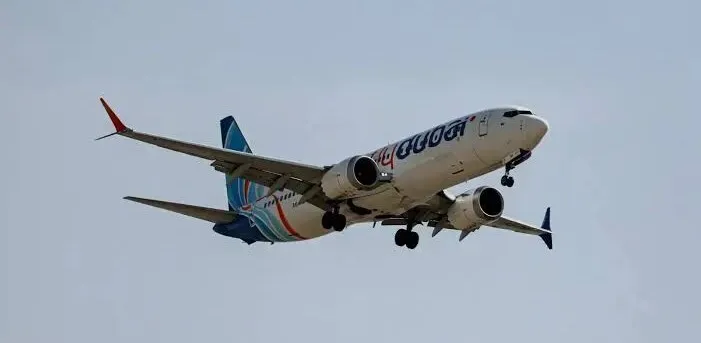
34000英呎高空,沙漠上空,一架波音737 MAX‑8正在杜拜飛往特拉維夫的常規航線上平穩飛行。沒有人預料到,杜拜航空FZ1073航班,會在短短幾十秒內,滑向一場可能重演“9·11”式災難的邊緣。
當危險突如其來,網路很快編織出一連串閃閃發光的“超級英雄敘事”:突擊隊員挺身而出、心臟外科醫生妙手施救、普通人僅憑一部紀錄片就獨自把俯衝的飛機拉回平飛……但撥開喧囂傳言,真相其實更加動人:拯救174條生命的,不是天選之人,而是一群沒有光環的普通人,在生死關頭沒有轉身逃走,選擇向前一步。
一、驚魂時刻:從平穩巡航到驟然俯衝
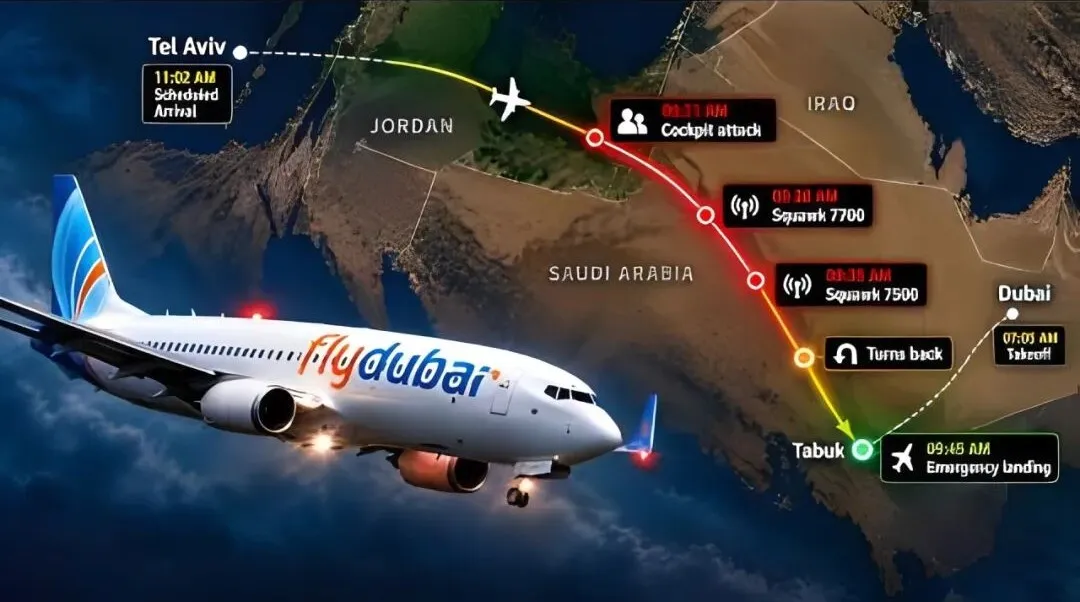
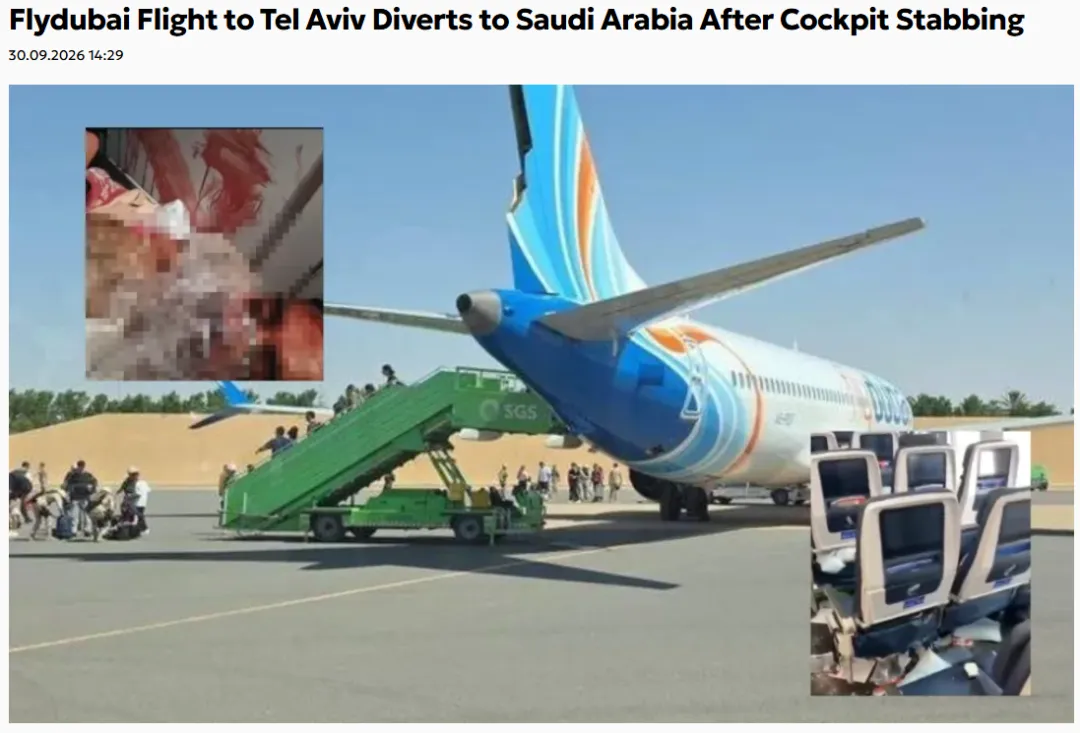
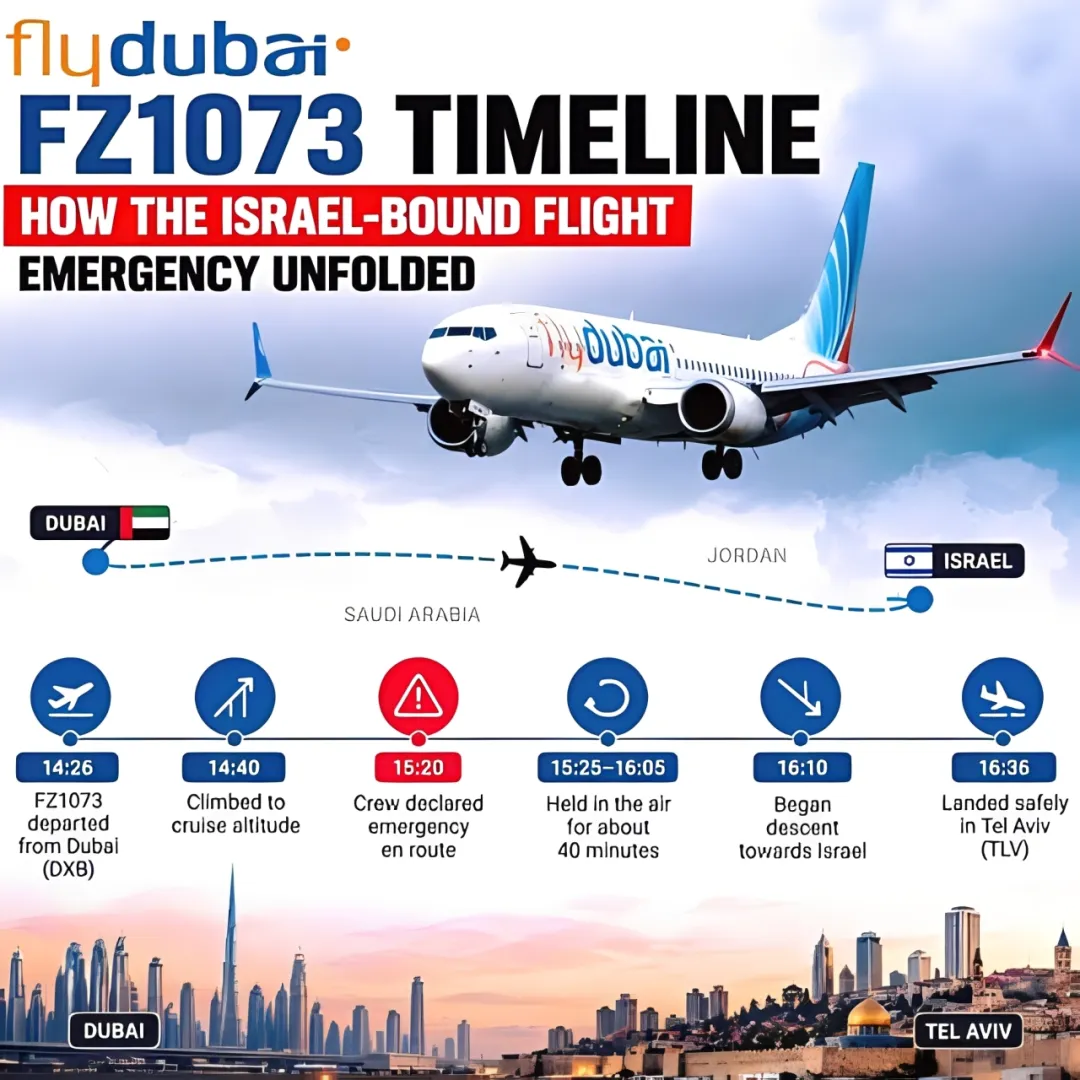
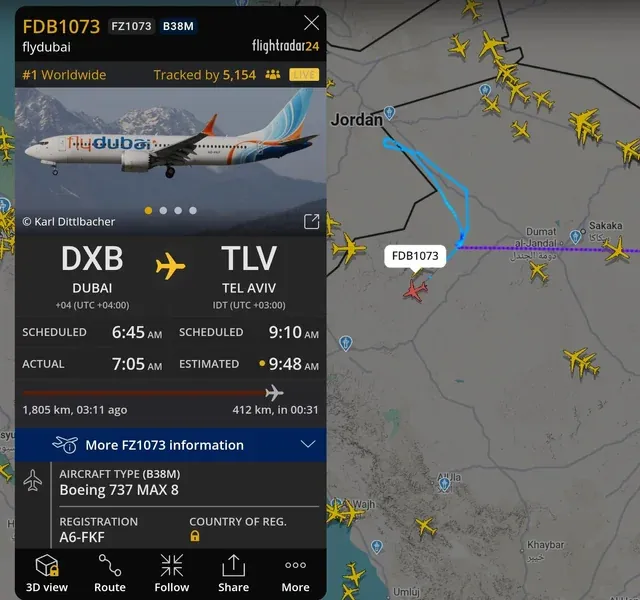
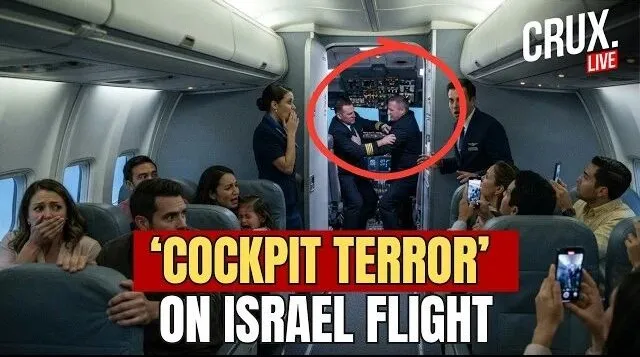
當地時間9月30日,FZ1073航班途經約旦與沙烏地阿拉伯邊境附近空域時,駕駛艙內爆發暴力襲擊。
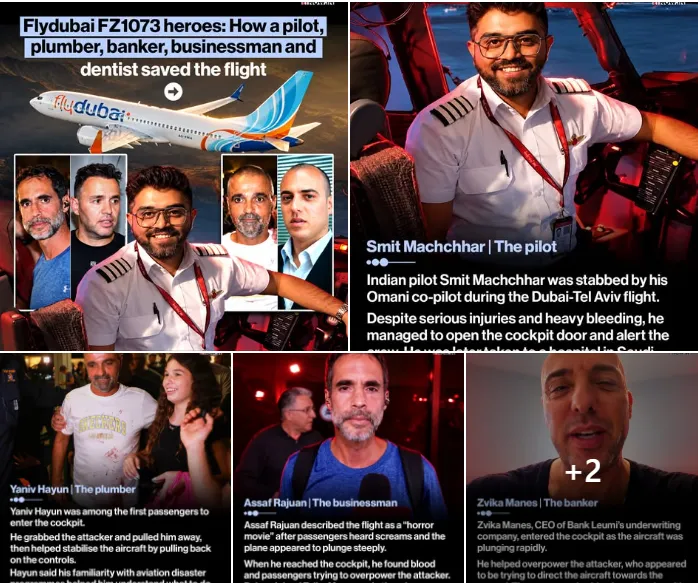
阿曼籍副駕駛突然拔刀,刺向執飛機長斯米特·馬赫查爾(Smit Machchhar)——這位擁有13年飛行經驗、近9750飛行小時的印度籍機長,身中多刀、手部重傷、血流不止。劇痛沒有讓他立刻倒下,他拼盡最後殘存的力氣,解開了那道民航飛機上平時牢不可破的駕駛艙門鎖,隨後倒在血泊之中。
門一開,災難的窗口和求生的通道,同時被打開了。
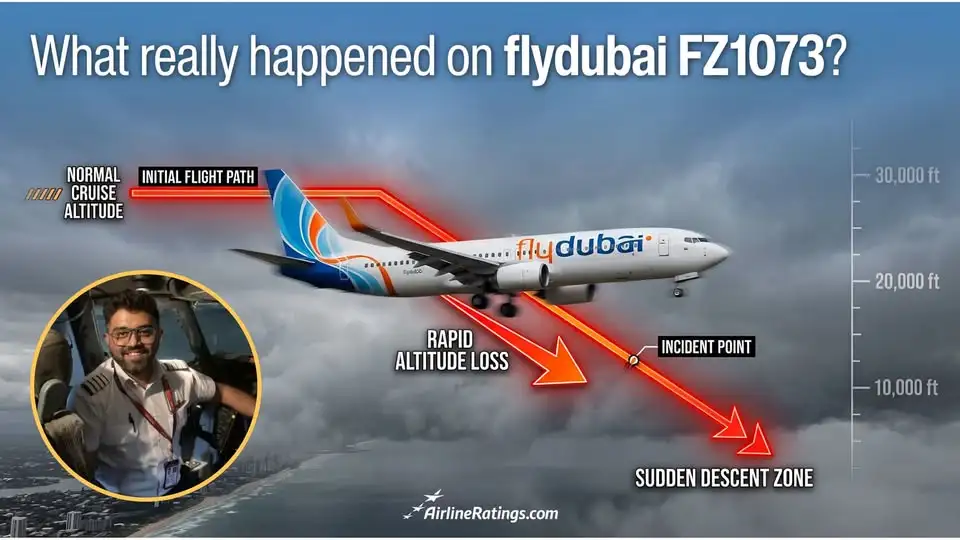
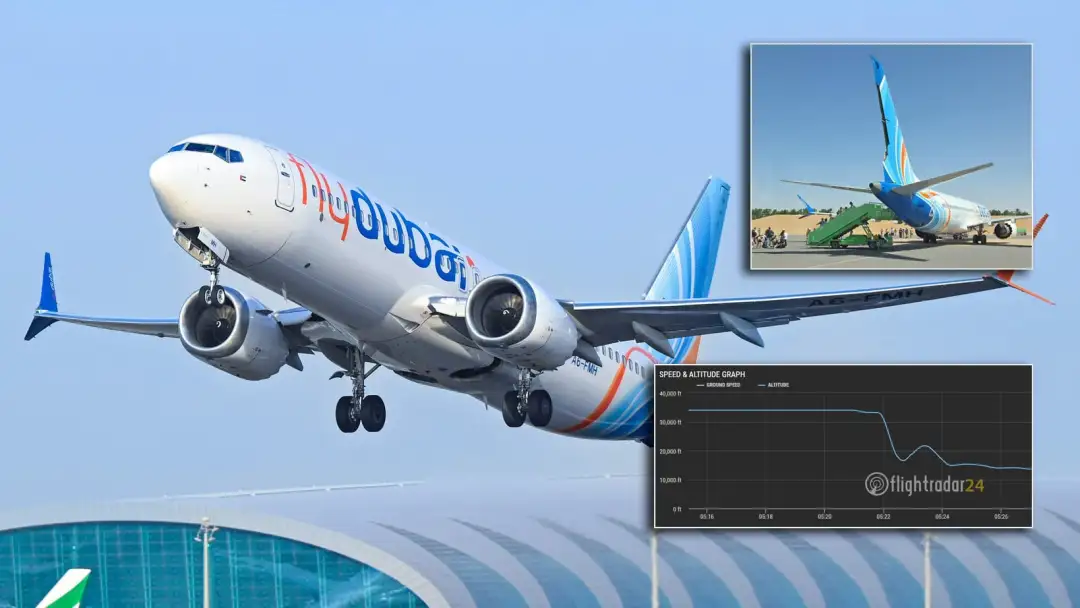
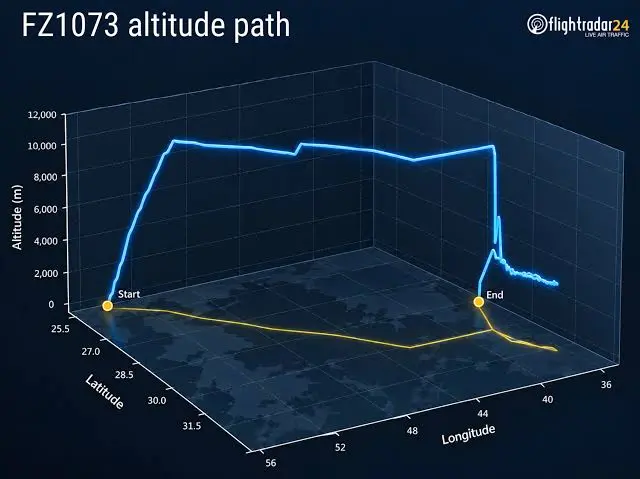
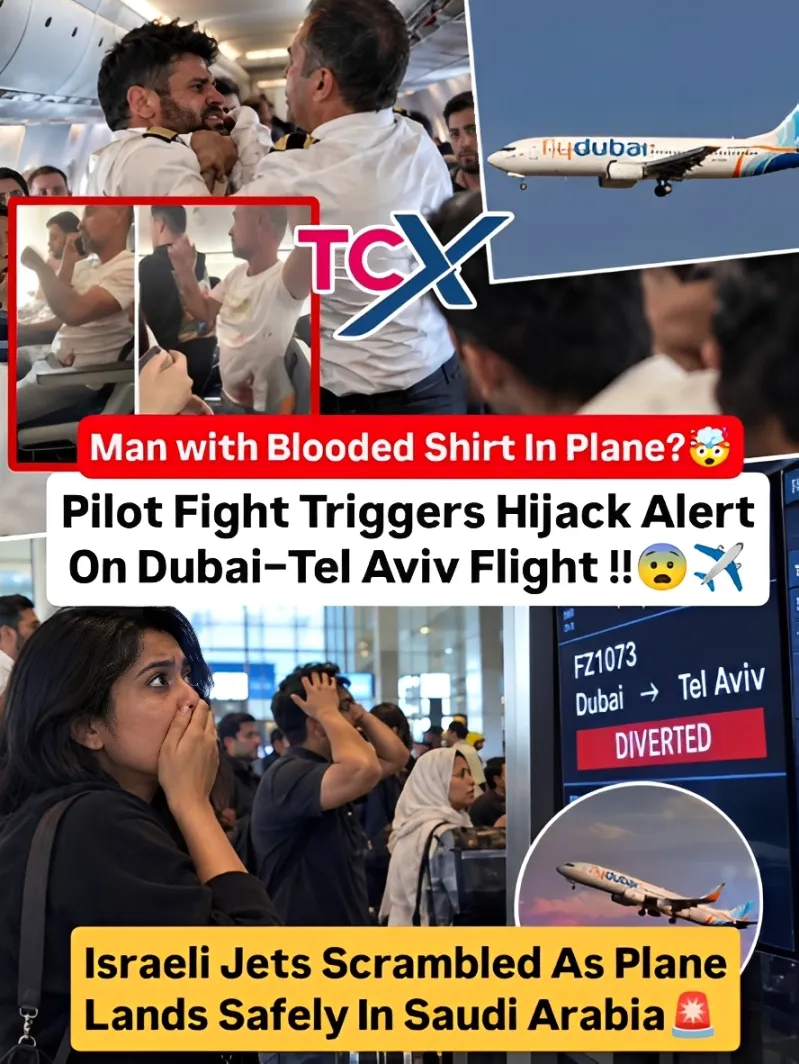
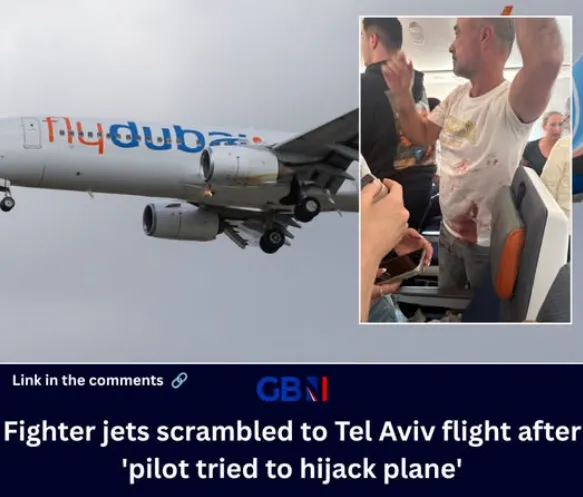
失去約束的副駕駛衝到操縱台前,瘋狂推拉操縱桿、破壞操控面板;飛行雷達資料記錄下驚心動魄的一幕:飛機在短短30秒內驟降超過14000英呎(約4300米),機頭朝下急速俯衝;航班發出民航最高等級非法干擾程式碼7500,中東多國地面警報瞬間拉響,以色列戰機緊急升空待命。萬米高空,174人的命運懸於一線。
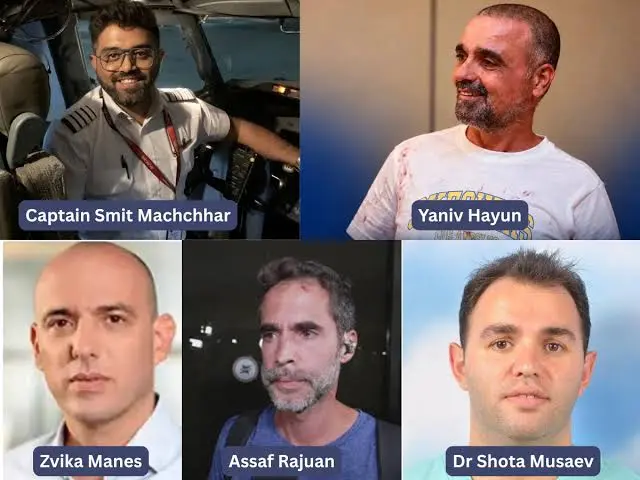
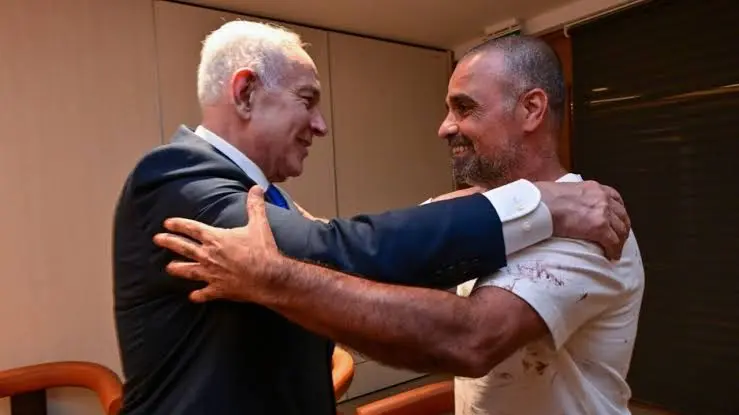
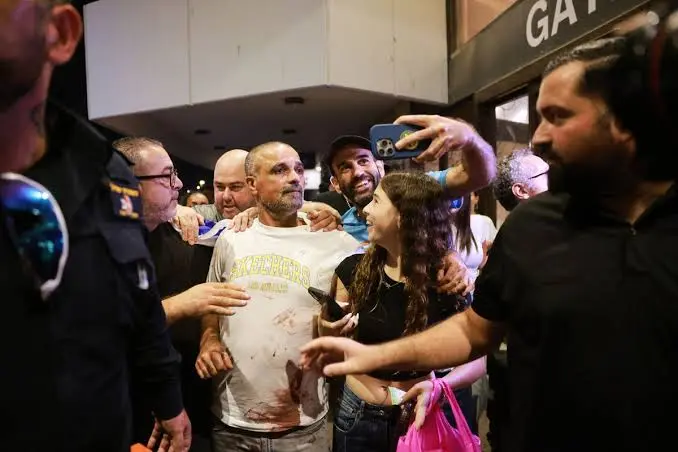
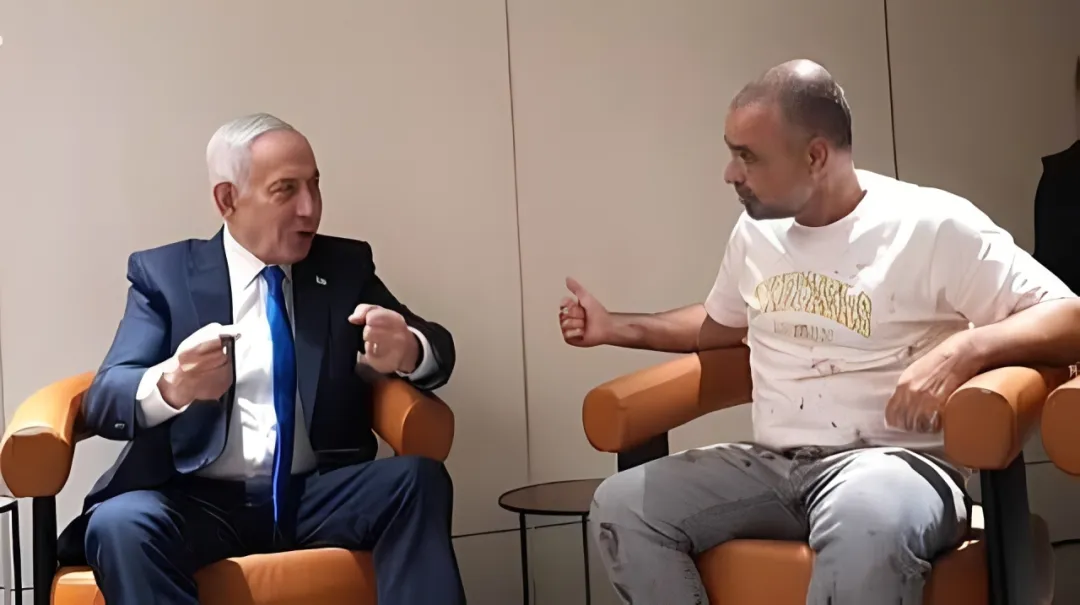
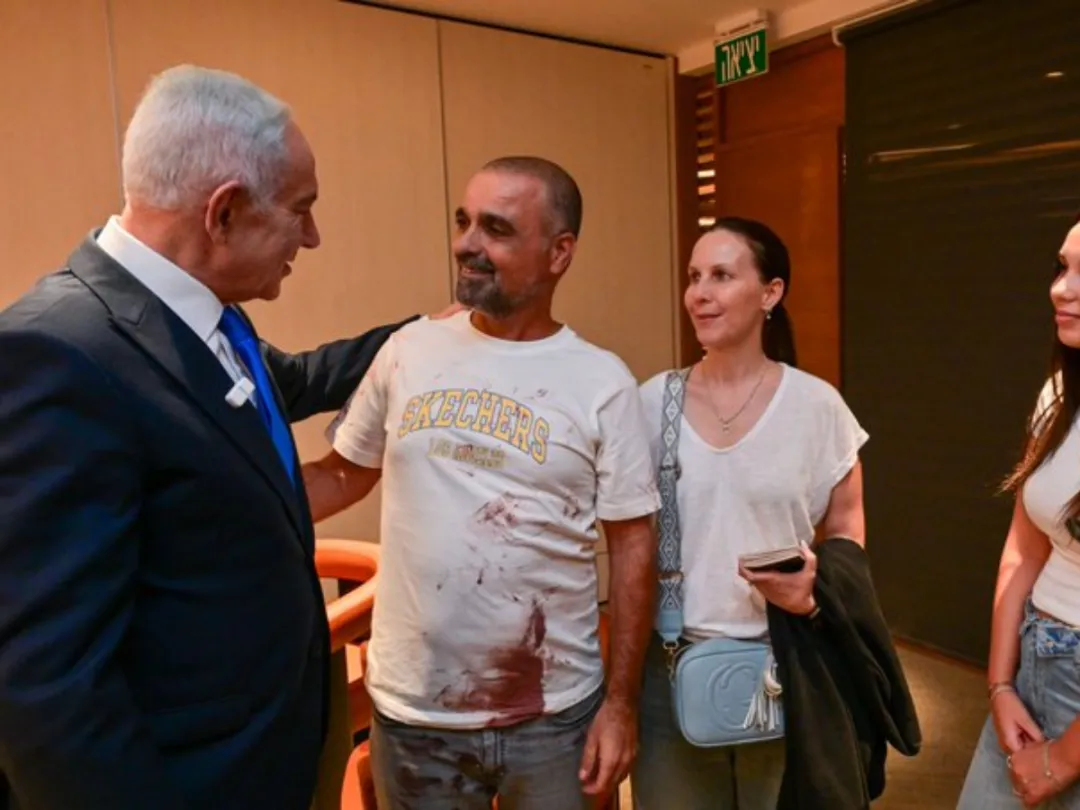
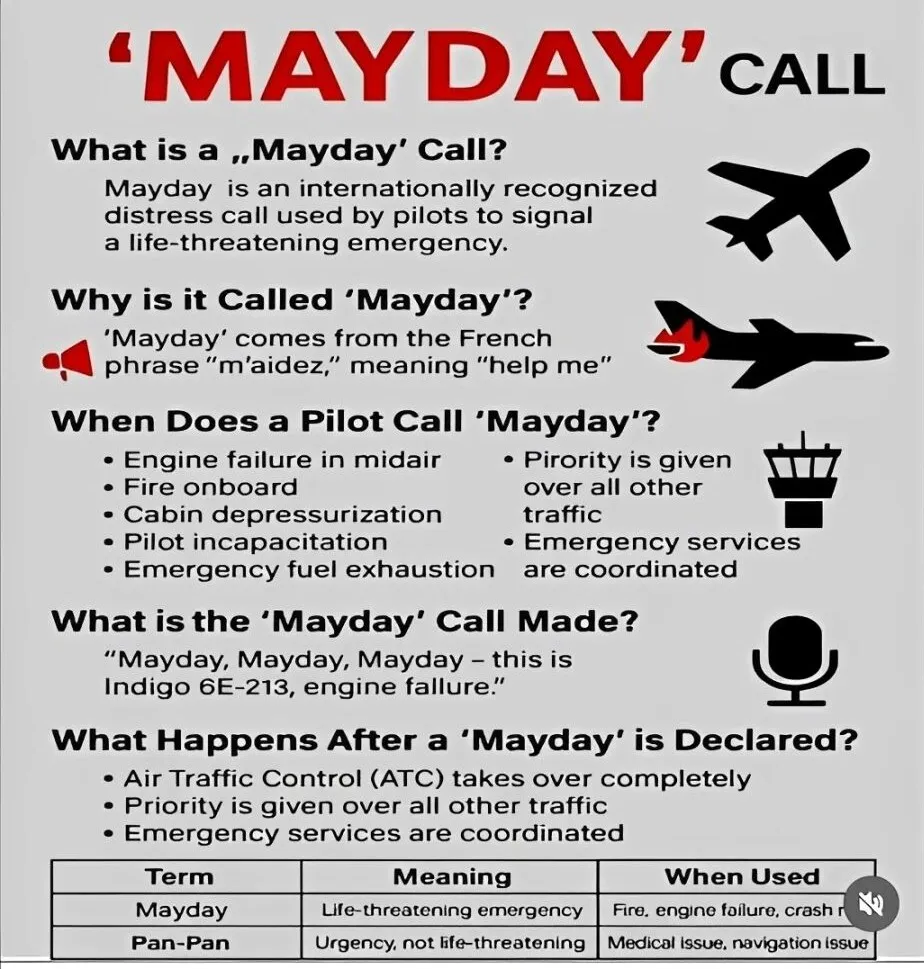
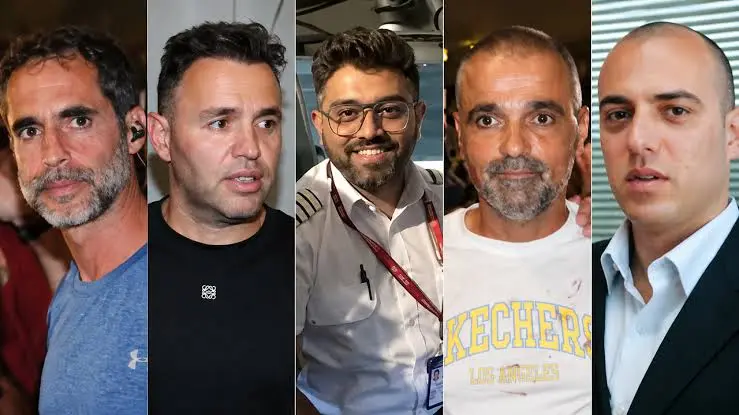
聽到駕駛艙內的尖叫與異響,前排乘客亞尼夫·哈尤恩(Yaniv Hayoun)立刻衝了進去。他不是軍人,不是特工,只是一名普通水管工;他用鎖喉動作控制住行兇者,呼喊身邊其他以色列乘客合力將其死死按住、捆綁制服。眼見飛機仍在劇烈震顫、持續俯衝,他回頭抓住搖晃的駕駛盤向後猛拉——後來面對納坦雅胡的詢問,他坦誠那句全網刷屏的回答:“總理先生,幸好我看過《空中浩劫》(Mayday,又名《空難調查》)”。
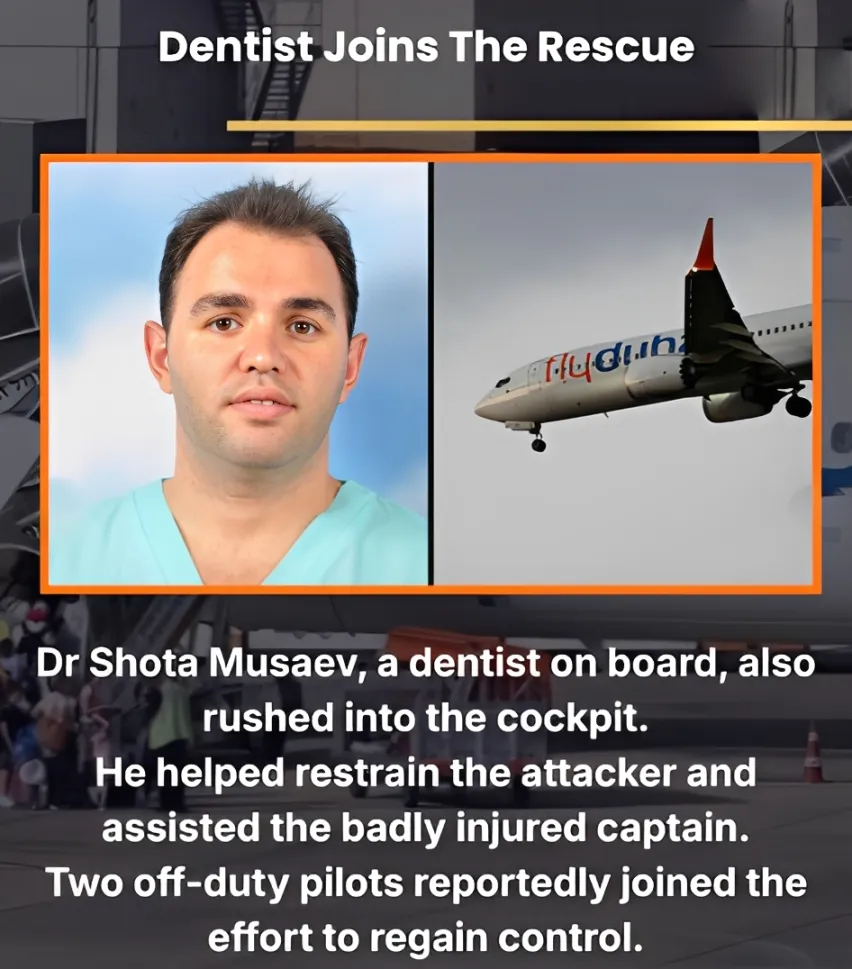
但這裡必須澄清一個廣為流傳的誤區:他並沒有獨自完成“拯救飛機”和迫降。就在局面初步穩住的間隙,機上恰好搭乘了兩名杜拜航空的輪換備用飛行員,他們迅速進入駕駛艙接管控制台;與此同時,乘客中的牙醫穆薩耶夫·肖塔(Musayev Shota),在制服襲擊者後立刻蹲下身,為失血嚴重的機長緊急止血,為他爭取到寶貴的生存窗口。
飛機改道,飛向沙烏地阿拉伯西北部的塔布克機場。一個耐人尋味的現實是:彼時沙烏地阿拉伯與以色列尚未建立正式外交關係,地緣隔閡根深蒂固;但接到7500緊急遇險訊號之後,沙烏地阿拉伯方面沒有猶豫,立刻開放跑道、啟動全套應急救援流程,妥善安置全體乘客與傷員,後續由杜拜航空派出替代航班,將所有人送往特拉維夫,襲擊嫌疑人則由沙烏地阿拉伯當局暫時扣押、移交調查。
最終,飛機平安落地。除了機長與行兇副駕駛受傷,其餘乘客與機組無人傷亡。一場幾乎無法想像的空中浩劫,被硬生生攔在了發生之前。
二、撥開神話:那些是傳說,那些是真相?
險情傳開之後,網際網路立刻開始“美化英雄”,幾個版本的傳奇迅速刷屏:
傳言一:衝入駕駛艙的是退役突擊隊員;
傳言二:為機長止血的是心臟外科醫生;
傳言三:水管工僅憑紀錄片知識,一個人把飛機從俯衝狀態一直開到落地;
傳言四:事件已經被證實是伊朗幕後策劃的恐怖襲擊。
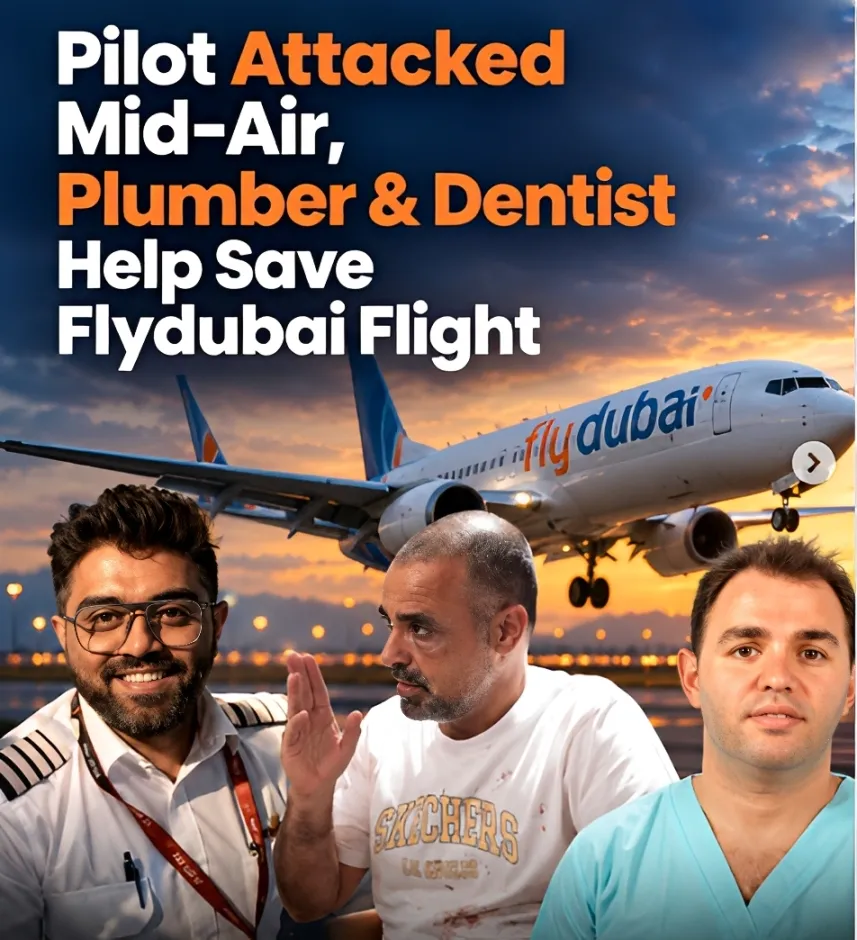
權威媒體與當事人口述很快戳破了這些濾鏡:亞尼夫就是一名水管工,沒有特殊格鬥與軍事背景;施救者是牙醫,並非心臟外科醫生;穩住操縱桿只是短暫爭取到關鍵緩衝時間,真正接管飛行、完成導航與迫降全套專業流程的,是機上備用職業飛行員;至於襲擊背後是否存在外部勢力與恐怖組織關聯,阿聯、沙烏地阿拉伯、以色列多方仍在聯合調查,尚未有最終定論,一切說法都還只是推測。
人們為什麼熱衷於“超級英雄”故事?
因為我們本能渴望一個無所不能的救世主,渴望危險來臨時,有一個自帶光環的人站出來搞定一切。可FZ1073告訴我們另一種答案:最可靠的安全螢幕障,未必是少數超人,而是普通人在關鍵時刻願意挺身而出的本能。
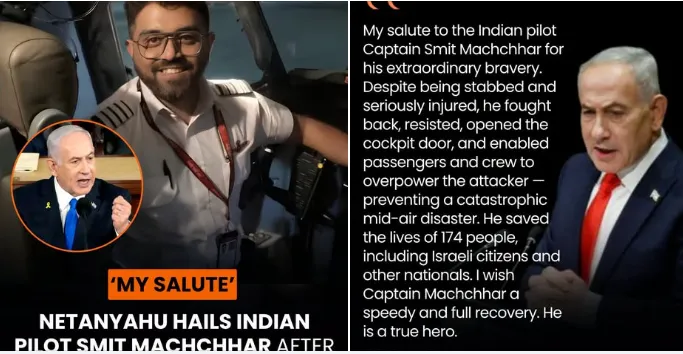
機長不是超人:他會流血、會力竭,但他沒有放棄開門;
水管工不是超人:他沒有專業飛行執照,只懂一點紀錄片裡的粗淺常識,但他敢衝進去、敢拉住操縱桿;
牙醫不是超人:他只掌握基礎急救知識,沒有手術室裝置,但他沒有無視血泊裡的傷者;
備用飛行員也只是普通民航從業者:只是恰好人在機上,接到機會就立刻頂上崗位;
甚至沙烏地阿拉伯塔布克機場的地面人員,只是恪守“生命優先於地緣政治”的底線,打開了一條求生跑道。
沒有人是孤膽英雄,所有人湊在一起,才拼成了這場奇蹟。
三、真正的安全感:不是遠離危險,而是知道該怎麼做
這起事件最深刻的啟示,其實和航空技術、地緣陰謀無關,而和普通人的能力有關。
我們常常把安全教育等同於“避險教育”:不要去危險的地方、不要摻和危險的事、明哲保身、少管閒事。但FZ1073給出了另一種理解:最高級的安全意識,是承認危險有可能從天而降;是即便你只是一個普通人,也願意在能力範圍內立刻行動,而不是站在原地等待別人來救。
亞尼夫看過《空中浩劫》,不是為了有朝一日去開飛機;牙醫掌握急救技能,未必預料自己會在萬米高空救人;機長日復一日嚴苛訓練,本來只是履行日常崗位職責。他們平時只是把知識當成興趣、把技能當成本分,沒有想過要成為英雄。可當臨界點到來,儲備的一點點知識、一點點勇氣、一點點行動意識,就成了生死之間的分界線。
這裡必須釐清邊界:我們絕不鼓勵普通人無視風險、魯莽衝進暴力衝突現場,或是未經訓練就強行操作精密飛行器;勇敢不等於蠻幹。真正值得推崇的,不是“人人都要當孤膽勇士”,而是一種社會心態:遇到危機,第一反應不是“這不關我的事”,而是“我有沒有力所能及、安全可行的事可以做”。
- 看見有人大出血,懂得基礎壓迫止血;
- 看見秩序崩潰,願意站出來協同他人而不是只顧自保;
- 掌握一點災難科普,知道最基本的“什麼情況要穩住、什麼情況要撤離”;
- 每個人守住自己的崗位、盡好自己的本分,同時願意在別人需要時搭一把手。
這就是一種集體韌性。它看不見、摸不著,沒有辦法用裝備和預算直接買來,卻是一個社會最珍貴的安全底盤。
四、跨越國界的人性:在地緣裂痕之上,還有生命共識
FZ1073還有一層讓人動容的維度:它發生在一個矛盾重重的中東。阿聯、以色列、沙烏地阿拉伯、阿曼,各方之間有著複雜的歷史糾葛、尚未理順的外交關係、持續緊繃的地區氛圍。
可當7500遇險訊號響起,地緣政治暫時後退了一步:沙烏地阿拉伯沒有因為與以色列無邦交就關上機場大門;杜拜航空立刻派出替代航班轉運乘客;多國調查機構拋開分歧,協同核查真相;不同國籍、不同信仰、不同立場的人,在機艙狹小的空間裡,先做了一件事——救人。
當然,這不意味著地區矛盾就此消失,也不代表複雜衝突可以被一場險情輕易化解;事件之後杜拜航空已經暫停往返以色列的航班,各國也紛紛提出加強民航飛行員背景審查、強化駕駛艙安保的方案,風險警示依然清晰存在。
但至少在那驚心動魄的幾個小時裡,“我們都是人類”,暫時壓倒了“我們分屬那一方”。這是比英雄傳說更加珍貴的瞬間:政治可以有立場,生命不分國籍。
五、奇蹟,是無數個“我願意”疊加而成
事後很多人問:FZ1073的奇蹟,可以複製嗎?
它無法保證每一次都有一個看過《空中浩劫》的水管工;無法保證每一架航班上都剛好有備用飛行員;無法保證每一次緊急備降請求,都會被鄰國毫不猶豫接納。
但它可以提醒我們一件事:奇蹟從不是天上掉下來的。
它來自機長上千小時訓練刻進肌肉的本能;
來自普通人平時多看的一部紀錄片、多學的一堂急救課;
來自危機時刻那一秒鐘“我不能躲開”的念頭;
來自一套願意把生命安全放在首位的地面應急機制;
來自人與人之間,願意彼此托底的善意。
所謂安全感,並不是世界永遠不會出事,而是就算出事的時候,我們身邊,有一群願意往前站一步的普通人。
他們沒有披風,沒有光環,名字叫斯米特,叫亞尼夫,叫穆薩耶夫,叫塔布克機場的調度員,叫每一個伸出手的無名乘客。
他們,就是凡人之光。
(本文資訊綜合自新華社、央視新聞、杜拜航空官方聲明、路透社、以色列總理府公開證詞、印度官方表態。襲擊動機與深層背景仍在多國聯合調查中,本文基於現已公開確認事實展開評述。)
Miracle of Ordinary People at 34,000 Feet: Beyond the Hero Legend of Flight FZ1073
At 34,000 feet above the desert, a Boeing 737 MAX‑8 cruised steadily on the regular route from Dubai to Tel Aviv. No one expected that Flydubai Flight FZ1073 would, in mere seconds, teeter on the brink of a disaster reminiscent of the September 11 attacks.
When danger struck without warning, the internet quickly wove glittering “super‑hero narratives”: an elite commando stepped forward, a cardiac surgeon performed life‑saving first aid, and an ordinary person pulled a diving aircraft back to level flight solely based on a documentary… Yet behind these noisy rumours lies a more moving truth: it was not a chosen saviour but a group of unremarkable people who refused to flee and chose to step forward at the moment of mortal peril that saved 174 lives.
I. Moments of Terror: From Smooth Cruise to Sudden Nosedive
On local time September 30, while passing airspace near the Jordan‑Saudi border, violent assault erupted inside the cockpit.
The Omani co‑pilot suddenly drew a knife and attacked Captain Smit Machchhar, the Indian‑born commander with 13 years of experience and nearly 9,750 flight hours. Stabbed multiple times with severe hand injuries and heavy bleeding, the captain did not collapse instantly from agony. Summoning his last remaining strength, he unlocked the normally impregnable cockpit door before collapsing in a pool of blood.
With the door opened, both a window for catastrophe and a passage for survival appeared at once.
Unrestrained, the co‑pilot rushed to the control column, violently yanking the joystick and damaging control panels. Radar records captured a horrifying scene: the aircraft plunged more than 14,000 feet (around 4,300 metres) within 30 seconds. The plane transmitted squawk code 7500, the highest‑level aviation emergency signal indicating unlawful interference. Ground alarms blared across multiple Middle Eastern nations, and Israeli fighter jets scrambled to standby. At 34,000 feet, the fate of 174 people hung by a thread.
Hearing screams and strange noises from the cockpit, front‑row passenger Yaniv Hayoun rushed inside immediately. He was no soldier or agent, only an ordinary plumber. He applied a chokehold to restrain the attacker and shouted for fellow Israeli passengers nearby to pin and bind him. Seeing the aircraft still shaking violently and continuing its dive, he grabbed the trembling control wheel and pulled it hard backward. Later questioned by Netanyahu, he gave the now‑viral honest reply: “Prime Minister, fortunately I watched Mayday.”
A widespread misconception must be clarified here: he did not single‑handedly rescue or land the aircraft. During the brief window once the situation was initially stabilised, two off‑duty Flydubai relief pilots travelling as passengers quickly entered the cockpit and took command. Meanwhile, a dentist passenger, Musayev Shota, rushed to apply emergency pressure bandaging to the bleeding captain, buying precious survival time.
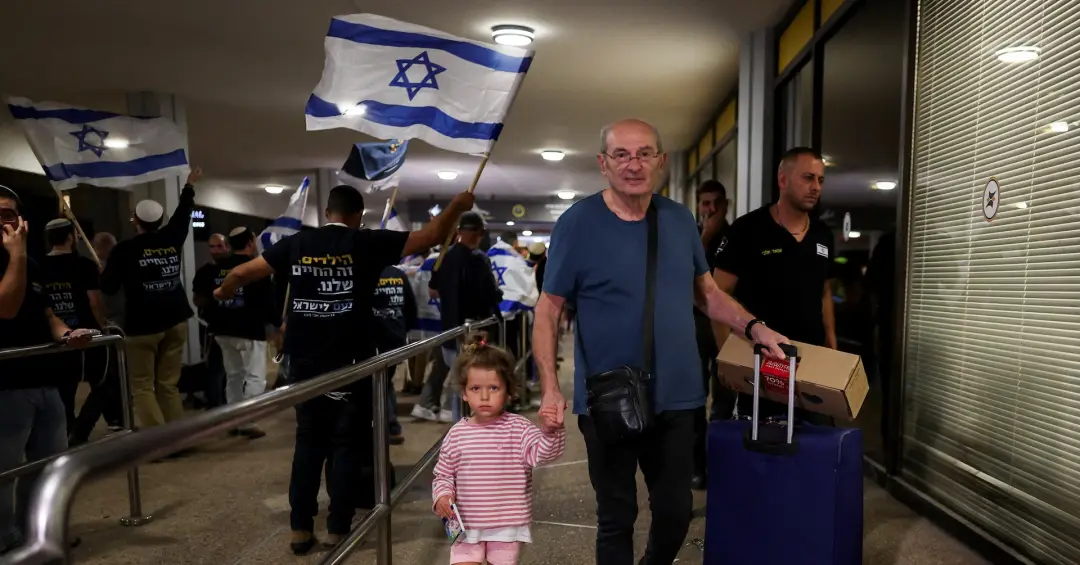
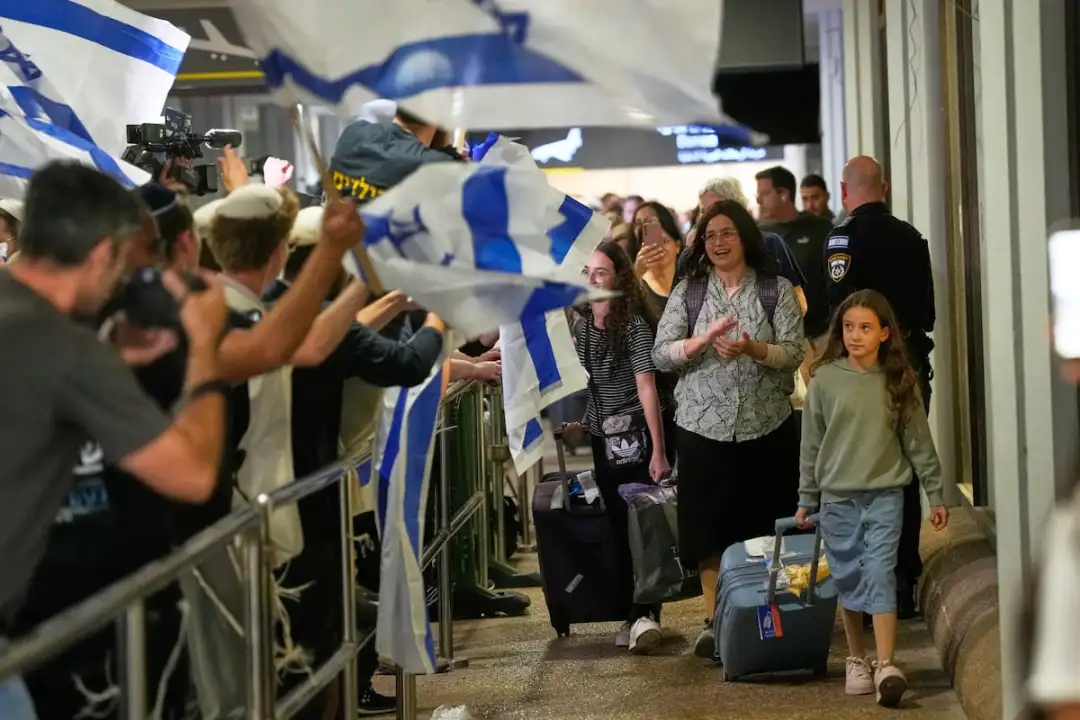
The plane diverted to Tabuk Airport in north‑western Saudi Arabia. A striking reality: at that time, Saudi Arabia and Israel had no formal diplomatic ties, with deeply entrenched geopolitical estrangement. Yet upon receiving the 7500 distress signal, Saudi authorities hesitated not a second. Runways were opened, full emergency response protocols activated, all passengers and casualties properly accommodated. Flydubai later dispatched a replacement flight to carry everyone onward to Tel Aviv, while the suspect was temporarily detained by Saudi authorities pending transfer for investigation.
The jet landed safely. Aside from injuries sustained by the captain and the assailant, no other passengers or crew were hurt. An almost unimaginable aerial catastrophe had been narrowly averted.
II. Piercing the Myth: Legend versus Verified Fact
As news of the emergency spread, the internet rapidly romanticised the heroes into several viral legends:
‑ Rumour one: the cockpit intruder was a retired commando;
‑ Rumour two: the captain’s rescuer was a cardiac surgeon;
‑ Rumour three: the plumber used documentary knowledge alone to fly the diving plane all the way to landing;
‑ Rumour four: the incident was confirmed as an Iran‑backed terrorist plot.
Statements from credible media and eyewitness accounts quickly stripped away this glamour. Yaniv was simply a plumber with no special combat or military background; the first‑aid provider was a dentist, not a cardiac surgeon; pulling back the wheel only secured a critical temporary buffer. The complete professional sequence of navigation and landing was executed by the relief airline pilots. Whether external forces or terrorist organisations were involved remains under joint multi‑nation investigation by the UAE, Saudi Arabia and Israel; no definitive conclusion has been reached, and all such claims are still speculation.
Why do we instinctively crave super‑hero stories?
Because we long for an almighty saviour — someone with special status who will fix everything when disaster arrives. Yet Flight FZ1073 offers another truth: the most reliable safety barrier is not a handful of exceptional individuals, but ordinary people’s willingness to step up in crisis.
The captain was no superhero: he bled and neared exhaustion, yet refused to give up unlocking the door.
The plumber was no superhero: with no pilot licence and only superficial knowledge from documentaries, yet he dared to charge in and grip the wheel.
The dentist was no superhero: equipped only with basic first‑aid skills and no operating‑room facilities, yet he did not ignore the bleeding injured man.
The relief pilots were ordinary civil‑aviation professionals: they happened to be aboard and stepped into duty when called.
Even ground dispatchers at Tabuk Airport simply upheld the principle that human life precedes geopolitics and opened a runway for escape.
No one acted as a lone hero. Together they wove this miracle.
III. True Security: Not Escaping Danger, But Knowing What to Do
The incident’s most profound lesson lies not in aviation technology or geopolitical intrigue, but in the capacity of ordinary human beings.
We often reduce safety education to risk‑avoidance: stay away from hazardous places, mind your own business, prioritise self‑preservation. But FZ1073 suggests a higher understanding: the highest form of safety awareness means accepting danger can strike unexpectedly; it means ordinary people are willing to act within their capacity rather than stand still waiting to be saved.
Yaniv watched Mayday not expecting one day to fly an airliner; the dentist learned first aid never imagining he would administer it at 34,000 feet; the captain underwent gruelling daily training merely to fulfil routine job requirements. They treated knowledge as interest and skill as duty, never planning to become heroes. But when the critical moment arrived, small reserves of knowledge, a spark of courage and readiness for action drew the dividing line between life and death.
An important boundary must be drawn: we never encourage untrained civilians to recklessly confront violent attackers or operate sophisticated aircraft. Bravery is not recklessness. What deserves admiration is not “everyone must become a lone warrior”, but a social mindset: when crisis hits, the first thought is not “this has nothing to do with me”, but “is there something small and safe I can do?”
‑ Knowing basic compression bandaging for severe bleeding;
‑ Choosing to cooperate with others instead of only looking out for yourself amid chaos;
‑ Remembering elementary disaster knowledge about stabilisation and evacuation;
‑ Everyone honouring their own duties while staying ready to lend a hand.
This is collective resilience. Invisible and intangible, it cannot be directly purchased with equipment or budgets — yet it forms the most precious safety foundation of a society.
IV. Humanity Across Borders: Above Geopolitical Fault Lines, a Shared Respect for Life
Flight FZ1073 holds another moving dimension: it unfolded in a deeply divided Middle East. The UAE, Israel, Saudi Arabia and Oman carry complicated historical grievances, unsettled diplomatic relations and persistently tense regional atmospheres.
Yet when the 7500 distress signal was transmitted, geopolitics momentarily receded. Saudi Arabia did not close its airport gates due to lacking diplomatic ties with Israel; Flydubai immediately arranged replacement flights; multi‑national investigators set aside divergences to coordinate inquiries. Inside the narrow cabin, people of different nationalities, faiths and positions prioritised one single act: saving lives.
This does not erase regional conflicts, nor does one emergency erase long‑standing disputes. After the incident, Flydubai suspended flights to Israel, while many nations proposed stricter pilot background screening and reinforced cockpit security protocols. Risk warnings remain clear.
Still, for those heart‑stopping hours, “we are all human” temporarily overrode “which side we belong to”. That moment is more precious than any hero legend: politics may have positions, human life has no nationality.
V. Epilogue: Miracles Are Built from Countless “I Will”
Many asked afterwards: can the miracle of FZ1073 be replicated?
There is no guarantee every flight will carry a plumber who watched Mayday; no guarantee every jet will have off‑duty pilots aboard; no guarantee every diversion request will receive instant approval from a neighbouring country.
Yet it reminds us: miracles do not simply fall from the sky.
They stem from muscle memory forged by thousands of hours of the captain’s training;
from a documentary watched casually and a first‑aid lesson learned long ago;
from that split‑second thought: “I cannot look away”;
from ground emergency mechanisms prioritising human life;
from human willingness to support one another.
True security never means “the world will never go wrong”. It means that even when disaster strikes, there are ordinary people nearby ready to take one small step forward.
They wear no capes, carry no halos. Their names are Smit, Yaniv, Musayev, the Tabuk Airport dispatcher, and every unnamed passenger who reached out a hand.
They are the light of ordinary mortals.
(Sources synthesised from Xinhua News Agency, CCTV News, Flydubai official statements, Reuters, Israeli Prime Minister’s Office public testimony, Indian official remarks. Attacker motives and deeper background remain under joint multi‑national investigation; commentary draws only from publicly confirmed facts.)
(AI時代潮)