
重整的棋局——從代理人戰爭到直接對抗
Joe 盧, CFA 2025年6月22日 美東時間
重點摘要
- 在與伊拉克戰爭後,伊朗發展其「抵抗軸心」代理人策略,旨在輸出革命並以「火環」包圍以色列,而非進行傳統戰爭。
- 2003年美國入侵伊拉克,除去了薩達姆·海珊(Saddam Hussein),無意中協助了伊朗,使德黑蘭得以建立一條經由伊拉克通往敘利亞及其主要代理人真主黨(Hezbollah)的戰略「陸橋」。
- 敘利亞內戰和對抗伊斯蘭國(ISIS)的戰鬥,使伊朗的代理人部隊更加驍勇善戰,但其戰略代價是徹底摧毀了敘利亞國家及其常規軍隊,消除了對以色列的一個主要區域威脅。
- 近期敘利亞領導人阿薩德(Assad)政權的垮台引發了以色列的決定性舉動:大規模空襲摧毀了敘利亞的防空系統,為遠程打擊創造了一條「空中走廊」,同時奪取黑門山(Mount Hermon)切斷了真主黨(Hezbollah)主要的補給路線。
- 此「將軍」之舉已使敘利亞不再構成威脅,並孤立了受損的真主黨(Hezbollah),首次賦予以色列單方面打擊伊朗的可行軍事選項,將該地區從代理人戰爭推向直接對抗的邊緣。
伊朗革命之後
1979年伊朗革命之後,中東局勢發生了不可逆轉的改變。一個穩定、與美國結盟的區域秩序被粉碎,取而代之的是德黑蘭一個具侵略性的新政權。此新政權並非在現有體系內尋求自身利益最大化的傳統國家行為者;它是一個在意識形態上致力於徹底瓦解該體系的革命力量。其大戰略是將什葉派伊斯蘭革命輸出至整個區域,對抗並最終驅逐美國及其主要區域盟友以色列的影響力。
這為長達45年的冷戰揭開了序幕,此一時期的特點並非主要對手間的直接衝突,而是一系列區域戰爭和國家瓦解,系統性地重整了地緣政治的棋局。要理解以色列和美國為何選擇此刻進行直接對抗,我們必須追溯此種不斷升級的代理人衝突之路徑,這些衝突最終為今日的危機掃清了道路。
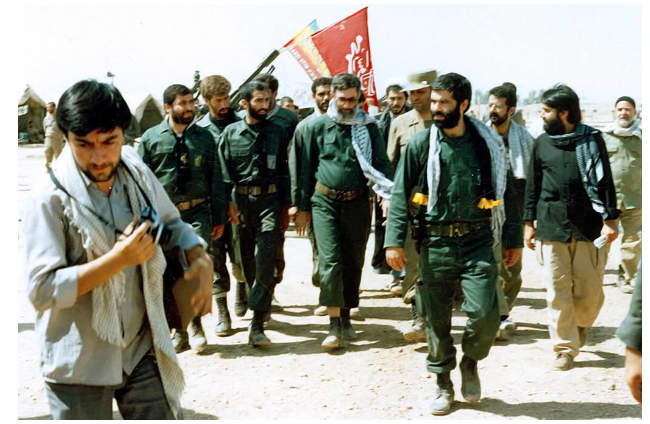
兩伊戰爭 (1980-1988)
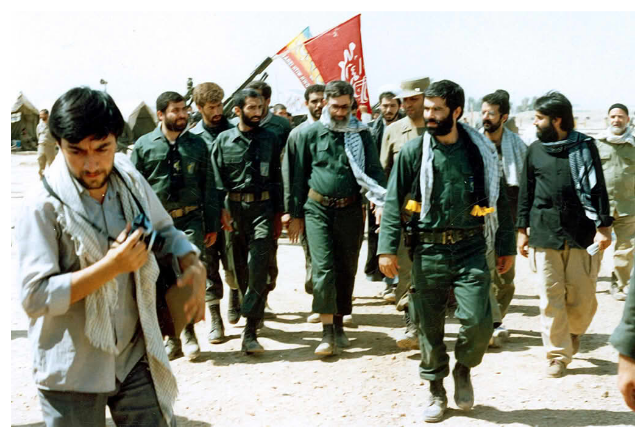
伊朗新政權成立僅一年後,便面臨了首次重大考驗。1980年,薩達姆·海珊(Saddam Hussein)統治的伊拉克,在懼怕革命蔓延的富裕遜尼派波斯灣君主國支持下,對伊朗發動了全面入侵。隨後長達八年的戰爭是一場殘酷血腥的僵局,造成超過一百萬人喪生。對伊朗而言,這是一次塑造性的國家創傷,從中汲取了兩個關鍵的戰略教訓。首先,它證明了其地理位置巨大的防禦價值。其次,它暴露了其常規軍隊的弱點。為彌補此不足,伊斯蘭革命衛隊(IRGC)完善了非對稱作戰的理論。德黑蘭斷定無法以常規方式投射力量,轉而建立一個由忠誠代理人部隊組成的網絡——即「抵抗軸心」——以遠程方式進行戰鬥。這將成為輸出革命的工具。
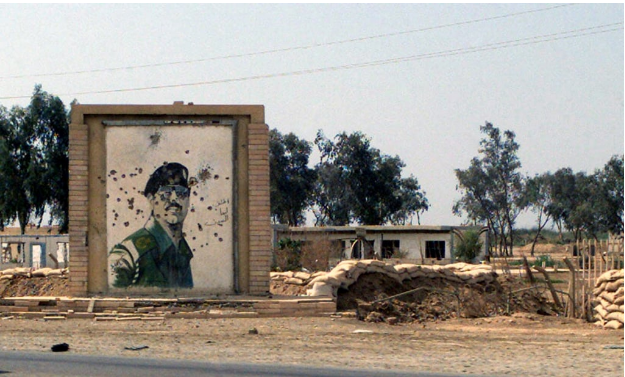
波斯灣戰爭 (1991-2003)
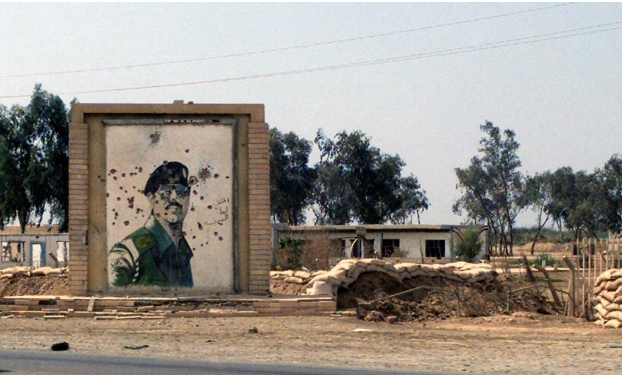
接下來的二十年裡,美國在無意中為伊朗戰略利益所做的貢獻,遠超德黑蘭自身所能期望達成的程度。1991年的第一次波斯灣戰爭嚴重削弱了伊拉克軍隊。然而,2003年的第二次波斯灣戰爭才是真正的地緣政治地震。美國入侵並推翻薩達姆·海珊(Saddam Hussein)的舉動,堪稱是革命後的伊朗收到的最重大的單一戰略大禮。
透過推翻薩達姆(Saddam),美國獨力消除了那個曾作為伊朗向西擴張主要緩衝的強大遜尼派阿拉伯國家。伊朗無情地利用了隨之而來的權力真空,組織了一個龐大的什葉派民兵網絡。伊朗首次在巴格達獲得了決定性的影響力,並建立了一條連貫的陸橋——一條從德黑蘭經由伊拉克,直接通往其主要盟友敘利亞,並進一步延伸至其最珍視的代理人黎巴嫩真主黨(Hezbollah)的影響力走廊。通往地中海的道路就此敞開。
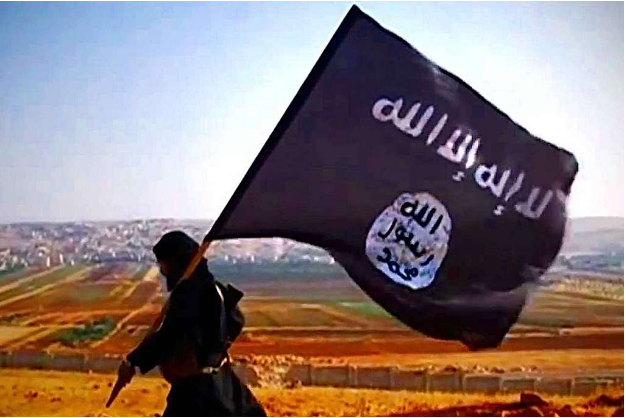
伊斯蘭國(ISIS)的崛起:遜尼派的反革命
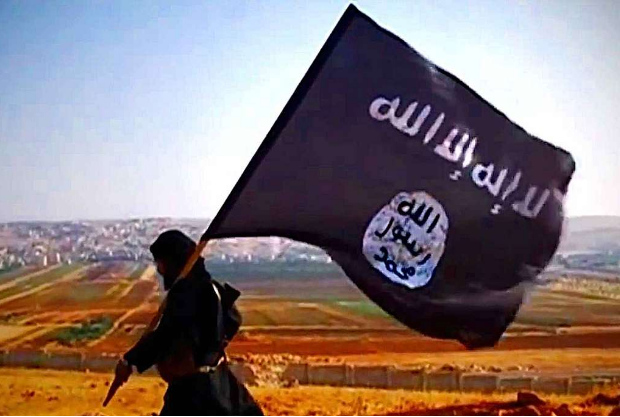
美國入侵伊拉克以及伊朗支持的什葉派系在伊拉克掌權所引發的混亂,催生了一種新的暴力反應:激進遜尼派叛亂的崛起。此運動在伊拉克被剝奪權利的遜尼派腹地滋長,並最終演變為伊斯蘭國(ISIS)。2014年,伊斯蘭國(ISIS)震撼全球,佔領了伊拉克和敘利亞的大片領土,並以推倒標誌著兩國之間賽克斯-皮科協定(Sykes-Picot)邊界的沙堤而聞名。
曾有一段時間,伊斯蘭國(ISIS)似乎對伊朗的計畫構成了災難性的威脅,直接挑戰其在巴格達和德黑蘭的盟友。然而,對抗伊斯蘭國(ISIS)的戰鬥卻證明是德黑蘭的另一個戰略利多。它為伊朗深化其軍事存在並使其代理人角色正式化提供了完美的理由。在國際公認的「反恐」旗幟下,伊朗的伊斯蘭革命衛隊(IRGC)及其什葉派民兵獲得了寶貴的戰場經驗、合法性以及作戰整合。抵抗軸心不僅僅是為阿薩德(Assad)而戰;它如今已成為全球對抗伊斯蘭國(ISIS)的關鍵力量,諷刺的是,這使其在當地成為美國暫時的、事實上的夥伴。
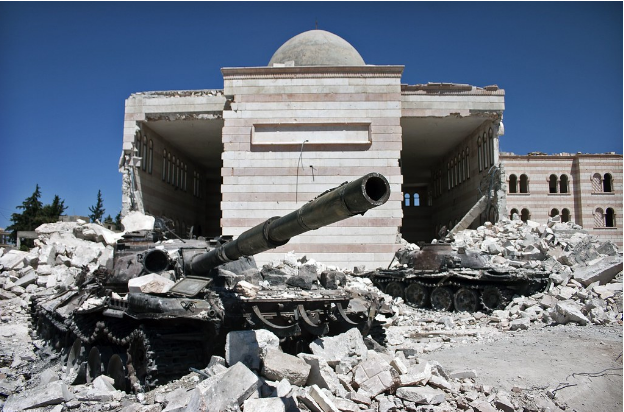
敘利亞內戰 (2011-2023)
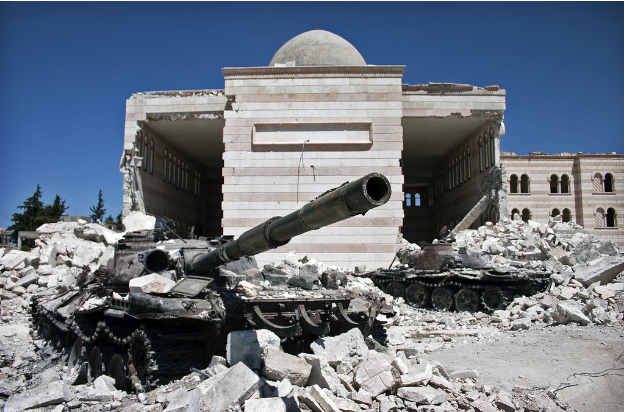
2011年針對敘利亞巴沙爾·阿薩德(Bashar al-Assad)的阿拉伯之春起義,後來伊斯蘭國(ISIS)亦以主要派系身份加入,對伊朗的區域計畫構成了致命威脅。若阿薩德(Assad)政權垮台,伊朗苦心經營的陸橋將被切斷。面對此戰略災難,伊朗首次將整個抵抗軸心動員為一支統一的作戰力量。身經百戰的伊拉克民兵、真主黨(Hezbollah)戰士和阿富汗僱傭兵都在伊朗的指揮下作戰,以拯救阿薩德(Assad)政權。
在俄羅斯空軍的支援下,該聯盟取得了成功。阿薩德(Assad)得以倖存,叛亂被殘酷鎮壓。表面上看,這是伊朗權力的頂峰。其陸橋安然無恙,其代理人如今已成為一支整合的、身經百戰的聯盟。然而,此勝利付出了深遠的戰略代價:儘管阿薩德(Assad)政權得以倖存,但敘利亞這個國家卻未能。敘利亞內戰徹底掏空了這個國家,使其淪為一片破碎、貧瘠的廢墟。曾經對以色列構成數十年常規軍事威脅、一度強大的敘利亞阿拉伯軍隊,已不復存在,不再是一支有效的作戰力量。
敘利亞的崩潰如何為戰爭掃清了障礙
隨著近期阿薩德(Assad)統治的垮台及其下台,最後一塊決定性的骨牌倒下了。此事件並未造成權力真空;它創造了一個戰略契機,以色列以驚人的速度和精確度加以利用。在短短數週內,整個北方戰線的地緣政治格局已被改寫。
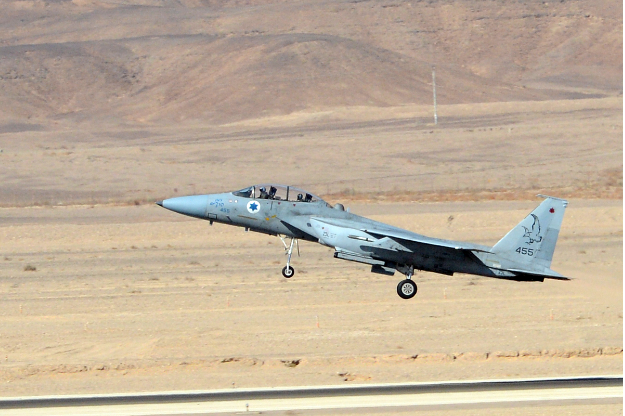
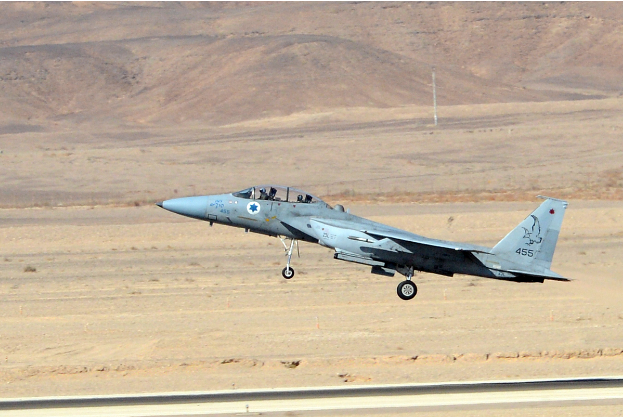
- **建立「無菌空中走廊」:**在阿薩德(Assad)下台後的數小時內,以色列發動了其歷史上最大規模的空中行動。以色列空軍打擊了超過480個目標,系統性地摧毀了敘利亞僅存的軍事基礎設施,包括至少80%的剩餘防空能力。敘利亞曾一度擁有密集的俄製防空系統網絡,這些系統雖然對先進的F-35隱形戰機不構成威脅,但對執行遠程任務所必需的大型、慢速、非隱形加油機而言卻是致命的危險。
這曾是以色列面臨的關鍵制約。對伊朗進行單方面打擊——來回航程達3000公里——在沒有空中加油的情況下,始終超出其戰鬥機的作戰半徑。由於敘利亞領空對其加油機而言是「禁飛區」,若無美國的直接參與,此類行動根本不可能實現。透過摧毀敘利亞的防空系統,以色列建立了一個「無菌防禦區」,一條暢通的空中走廊。實際上的前線現已向東推進了700公里。以色列的加油機如今可以在敘利亞東部上空安全盤旋,使其F-35戰機能夠深入伊朗境內進行打擊並返航。以色列首次擁有了對伊朗進行大規模、單方面打擊的軍事可行選項。 - **消除威懾力量:**與此同時,以色列採取行動消除伊朗主要的威懾力量:真主黨(Hezbollah)。敘利亞的混亂局勢使得以色列地面部隊得以進入戈蘭高地(Golan Heights)的敘利亞一側,建立了一個新的、擴大的緩衝區。關鍵的是,此行動包括奪取赫爾蒙山(Mount Hermon)的敘利亞一側。這座海拔2800公尺的山峰長期以來為以色列製造了一個巨大的雷達盲點,使伊朗得以利用其作為掩護,透過陸橋向真主黨(Hezbollah)提供補給。隨著以色列雷達如今部署在其山頂,該盲點已不復存在。補給路線現已處於持續監視之下,完全受制於以色列的空中力量。
與此同時,以色列還針對真主黨(Hezbollah)的領導層發動了一場毀滅性的斬首行動。隨著一個又一個指揮官被消滅,較低階的成員被提拔以填補空缺。早已滲透真主黨(Hezbollah)較低層級的以色列情報部門,眼見其特工晉升至高層職位。結果是,其指揮結構已嚴重受損,充滿「洩密」,即使擁有龐大的武庫,其作戰安全也已蕩然無存。
採取最終行動的機會之窗
從1979年革命至今長達45年的歷程,是一個系統性清理地緣政治棋盤的過程。兩伊戰爭塑造了伊朗的代理人理論。美國入侵伊拉克消除了伊朗西面的遜尼派緩衝。伊斯蘭國(ISIS)的崛起和敘利亞內戰為伊朗部署其代理人提供了理由,但最終摧毀了敘利亞這個國家。阿薩德(Assad)政權的垮台是最後一步,使得以色列在這局戰略棋盤中得以「將軍」。它為進攻性打擊創造了一條空中走廊,同時切斷了伊朗主要報復力量的補給線並破壞了其指揮結構。
曾經制約雙方的戰略緩衝如今已不復存在。以色列邊境上曾經強大的阿拉伯軍隊,要不是被和平條約而削弱,就是因內戰而被摧毀。俄羅斯分身乏術。最後的障礙——一個擁有防空能力的、運作正常的敘利亞國家——已被清除。
這便是如今開啟的戰略機會之窗。以色列現在擁有一個可信的、單方面的軍事選項,這使其在與即將上任的川普政府的交往中獲得了前所未有的籌碼,並從根本上改變了與德黑蘭的動態。對投資者而言,這意味著可預測的代理人衝突時代已經結束。我們已進入一個世界能源供應核心地帶的、全新的、動盪的、且極度危險的國家間直接衝突時代。
保持聯繫並分享見解:
- 若您覺得本文有幫助,請點讚支持。
- 歡迎將此電子報轉發給可能覺得有價值的同事和朋友。
- 訂閱即可直接在您的收件匣中收到此分析。
- 在社群媒體上關注我們以獲取更多更新。
本電子報僅供參考,不構成任何證券或資產類別的投資建議或買賣推薦。文中所表達的觀點為作者截至發布日期的觀點,如有變動,恕不另行通知。所呈現的資訊乃基於從相信可靠的來源所獲取的數據,但其準ecek性、完整性和及時性不作保證。過往表現並非未來結果的指標。投資涉及風險,包括可能損失本金。讀者在做出任何投資決策前,應諮詢其財務顧問。作者及相關實體可能持有本文所討論的資產或資產類別的部位。
立即加入《Joe’s 華爾街脈動》LINE@官方帳號,獲得最新專欄資訊(點此加入)
關於《Joe’s 華爾街脈動》
鉅亨網特別邀請到擁有逾 22 年美國投資圈資歷、CFA 認證的機構操盤人 Joseph Lu 擔任專欄主筆。
Joe 為台裔美國人,曾管理超過百億美元規模的基金資產,並為總資產高達數千億美元的多家頂級金融機構提供資產配置優化建議。
Joe 目前帶領著由美國頂尖大學教授與博士組成的精英團隊,透過獨家開發的 "趨勢脈動 TrendFolios® 指標",為台灣投資人深度解析全球市場脈動,提供美股市場第一手專業觀點,協助投資人掌握先機。
An Investor’s Guide to the Israel-Iran Conflict: Part 2
The Rearranged Chessboard - From Proxy Wars to a Direct Confrontation
By Joe 盧, CFA As of: 2025/06/22
EXECUTIVE SUMMARY
- Following its war with Iraq, Iran developed its "Axis of Resistance" proxy strategy, aiming to export its revolution and encircle Israel in a "Ring of Fire" rather than fight a conventional war.
- The U.S. invasion of Iraq in 2003 unintentionally aided Iran by removing Saddam Hussein, allowing Tehran to establish a strategic "land bridge" through Iraq to Syria and its key proxy, Hezbollah.
- The Syrian Civil War and the fight against ISIS served to battle-harden Iran's proxy forces, but at the strategic cost of utterly destroying the Syrian state and its conventional military, removing a key regional threat to Israel.
- The recent collapse of Syria’s Assad regime triggered a decisive Israeli move: a massive air campaign destroyed Syrian air defenses, creating an "aerial corridor" for long-range strikes, while the seizure of Mount Hermon cut off Hezbollah's primary resupply route.
- This "checkmate" has neutralized Syria as a threat and isolated a compromised Hezbollah, giving Israel, for the first time, a viable military option to unilaterally strike Iran and shifting the region from proxy wars to the brink of direct confrontation.
AFTER THE IRANIAN REVOLUTION
In the wake of the 1979 Iranian Revolution, the Middle East was irrevocably altered. A stable, U.S.-aligned regional order was shattered, replaced by a new and aggressive power in Tehran. This new regime was not a conventional state actor seeking to maximize its interests within the existing system; it was a revolutionary power ideologically committed to dismantling that system entirely. Its grand strategy was to export its Shia Islamist revolution across the region, confronting and ultimately expelling the influence of the United States and its key regional ally, Israel.
This set the stage for a 45-year cold war, a period defined not by direct conflict between the main antagonists, but by a series of regional wars and state collapses that systematically rearranged the geopolitical chessboard. To understand why Israel and the United States have chosen this moment for a direct confrontation, we must trace this path of escalating proxy conflicts that ultimately cleared the way for today’s crisis.
THE IRAN-IRAQ WAR (1980-1988)
The first major test of the new Iranian regime came just a year after its founding. In 1980, Saddam Hussein’s Iraq, backed by wealthy Sunni Gulf monarchies terrified of the revolutionary contagion, launched a full-scale invasion of Iran. The ensuing eight-year war was a brutal, bloody stalemate that cost over a million lives. For Iran, it was a formative national trauma that yielded two crucial strategic lessons. First, it proved the immense defensive value of its geography. Second, it exposed the weakness of its conventional military. To compensate, the Islamic Revolutionary Guard Corps (IRGC) perfected a doctrine of asymmetric warfare. Concluding that it could not project power conventionally, Tehran would instead build a network of loyal proxy forces—an "Axis of Resistance"—to fight its battles remotely. This would be the instrument for exporting the revolution.
THE GULF WARS (1991 & 2003)
The next two decades saw the United States unwittingly do more to advance Iran's strategic interests than Tehran could have ever hoped to achieve on its own. The First Gulf War in 1991 severely degraded the Iraqi military. However, the Second Gulf War in 2003 was the true geopolitical earthquake. The U.S. invasion and overthrow of Saddam Hussein was arguably the single greatest strategic gift ever handed to revolutionary Iran.
By toppling Saddam, the United States single-handedly eliminated the strong Sunni Arab state that had served as the primary buffer against Iran's westward expansion. Iran ruthlessly exploited the ensuing power vacuum, organizing a vast network of Shia militias. For the first time, Iran gained decisive influence in Baghdad and created a contiguous land bridge—a corridor of influence stretching from Tehran, through Iraq, directly to its key ally, Syria, and onward to its most prized proxy, Hezbollah in Lebanon. The path to the Mediterranean was open.
THE RISE OF ISIS: THE SUNNI COUNTER-REVOLUTION
The chaos unleashed by the U.S. invasion and the empowerment of Iran-backed Shia factions in Iraq created a new and violent reaction: the rise of a radical Sunni insurgency. This movement festered in the disenfranchised Sunni heartlands of Iraq and eventually metastasized into the Islamic State, or ISIS. In 2014, ISIS exploded onto the world stage, capturing vast swathes of territory in both Iraq and Syria and famously bulldozing the berm that marked the Sykes-Picot border between them.
For a time, ISIS appeared to be a catastrophic threat to Iran’s project, directly challenging its allies in both Baghdad and Damascus. However, the fight against ISIS proved to be another strategic boon for Tehran. It provided the perfect justification for Iran to deepen its military presence and formalize the role of its proxies. Under the internationally accepted banner of "fighting terrorism," Iran’s IRGC and its Shia militias gained invaluable battlefield experience, legitimacy, and operational integration. The Axis of Resistance wasn't just fighting for Assad; it was now a key force in the global war against ISIS, ironically making it a temporary, de facto partner of the United States on the ground.
THE SYRIAN CIVIL WAR (2011-2023)
The 2011 Arab Spring uprising against Bashar al-Assad in Syria, which ISIS later joined as a major faction, was a mortal threat to Iran’s regional project. If the Assad regime fell, Iran’s hard-won land bridge would be severed. Facing this strategic catastrophe, Iran mobilized the entire Axis of Resistance as a unified fighting force for the first time. Battle-hardened Iraqi militias, Hezbollah fighters, and Afghan mercenaries all fought under Iranian command to save the Assad regime.
With the addition of Russian airpower, the alliance succeeded. Assad survived, and the rebellion was brutally crushed. On the surface, this was the zenith of Iranian power. Its land bridge was secure, and its proxies were now an integrated, battle-tested coalition. However, this victory came at a profound strategic cost: while the Assad regime survived, the state of Syria did not. The Syrian Civil War utterly hollowed out the country, leaving it a shattered, impoverished wasteland. The once-formidable Syrian Arab Army, which had posed a conventional military threat to Israel for decades, ceased to exist as an effective fighting force.
HOW SYRIA’S COLLAPSE CLEARED THE BOARD FOR WAR
The final, decisive domino fell with the recent collapse of Assad's rule and his exit from power. This event did not create a power vacuum; it created a strategic opening that Israel exploited with breathtaking speed and precision. In a matter of weeks, the entire geopolitical equation of the northern front has been rewritten.
- Creating the "Sterile Aerial Corridor": In the hours following Assad's departure, Israel launched the largest air operation in its history. Striking over 480 targets, the Israeli Air Force systematically destroyed what was left of Syria’s military infrastructure, including at least 80% of its remaining air defense capacity. Syria once possessed a dense network of Russian-made systems that, while no threat to advanced F-35 stealth fighters, were a mortal danger to the large, slow, non-stealthy tanker aircraft essential for long-range missions.
This was the critical constraint on Israel. A unilateral strike on Iran—a 3,000 km round trip—was always beyond the range of its fighter jets without refueling. With Syrian airspace a "no-fly zone" for its tankers, such an operation was impossible without direct American involvement. By destroying Syria’s air defenses, Israel has created a "sterile defense zone," an open aerial corridor. The effective front line has now shifted 700 kilometers east. Israeli tankers can now loiter safely over eastern Syria, allowing its F-35s to strike deep into Iran and return. For the first time, a large-scale, unilateral Israeli strike on Iran is a militarily viable option. - Neutralizing the Deterrent: Simultaneously, Israel moved to neutralize Iran's primary deterrent: Hezbollah. The chaos in Syria allowed Israeli ground forces to move into the Syrian side of the Golan Heights, establishing a new, expanded buffer zone. Crucially, this operation included the capture of the Syrian side of Mount Hermon. This 2,800-meter peak had long created a massive radar blind spot for Israel, allowing Iran to use it as cover for its land bridge to resupply Hezbollah. With Israeli radar now being established on its peaks, that blind spot is gone. The supply route is now under constant surveillance, at the mercy of Israeli airpower.
This was paired with a devastating campaign of decapitation strikes against Hezbollah's leadership. As one commander after another was eliminated, lower-ranking members were promoted to fill the void. Israeli intelligence, having already infiltrated Hezbollah’s lower echelons, saw its agents move up into senior positions. The result is a command structure that is deeply compromised and riddled with "leaks," rendering it operationally insecure even with its vast arsenal.
A WINDOW OF OPPORTUNITY FOR A FINAL MOVE
The 45-year journey from the 1979 revolution has been a process of systematically clearing the geopolitical chessboard. The Iran-Iraq War forged Iran's proxy doctrine. The U.S. invasion of Iraq removed the Sunni buffer to Iran's west. The rise of ISIS and the Syrian Civil War provided the justification for Iran to deploy its proxies, but ultimately destroyed Syria as a state. The collapse of Assad's regime was the final move, allowing Israel to execute a checkmate. It has created an aerial corridor for an offensive strike and simultaneously severed the supply lines and compromised the command structure of Iran’s primary retaliatory force.
The strategic buffers that once constrained both sides are now gone. The formidable Arab armies on Israel's borders have been either neutralized by peace treaties or destroyed by civil war. Russia is distracted. The final obstacle—a functional Syrian state with air defenses—has been removed.
This is the strategic window that has now opened. Israel now possesses a credible, unilateral military option, handing it unprecedented leverage with the incoming Trump administration and fundamentally changing the dynamic with Tehran. For investors, this means the era of predictable proxy skirmishes is over. We have entered a new, volatile, and profoundly dangerous age of direct state-on-state conflict in the heart of the world’s energy supply.
Stay Connected & Share the Insights:
- Like this article if you found it helpful.
- Forward this newsletter to colleagues and friends who might find it valuable.
- Subscribe to receive this analysis directly to your inbox.
- Follow us on social media for more updates.
This newsletter is provided for informational purposes only and does not constitute investment advice or a recommendation to buy or sell any security or asset class. The views expressed are those of the author as of the date of publication and are subject to change without notice. Information presented is based on data obtained from sources believed to be reliable, but its accuracy, completeness, and timeliness are not guaranteed. Past performance is not indicative of future results. Investing involves risks, including the possible loss of principal. Readers should consult with their own financial advisors before making any investment decisions. The author and associated entities may hold positions in the assets or asset classes discussed herein.
Join the official LINE account of "Joe’s Wall Street Pulse" now to receive the latest column updates (click here to join)