【Joe’s華爾街脈動】專題:投資者指南:以伊衝突深度解析 (一)
百年地緣政治動盪,導向中東新危機
Joe 盧, CFA 2025年6月19日 美東時間
重點摘要
- 以色列的「雄獅崛起行動(Operation Rising Lion)」使其與伊朗長期處於影子戰爭狀態的關係正式升級為直接軍事衝突,情勢已超越代理人戰爭,邁入明確的國與國對抗階段。
- 美國的大規模的軍事集結,包括兩個航空母艦打擊群和總統的直接警告,顯示美方可能準備介入,從而大幅擴大衝突的規模。
- 嚴峻的市場風險包括油價飆漲和航運成本上升,因荷莫茲海峽已成為戰區,促使資金流向黃金和美元等避險資產。
- 這是一場植根於20世紀不穩定局勢的現代衝突,其起因是賽克斯-皮科協定(Sykes-Picot Agreement)劃定的人為邊界,以及1948年以色列建國後區域權力格局的轉變。
- 1979年的伊朗革命點燃了這場衝突,使伊朗從以色列的區域夥伴轉變為意識形態上的敵人,並開啟了長達45年、如今已演變為熱戰的地域衝突。
本週全球市場動盪不安,因中東地區陷入了這一代人以來最危險的危機。以色列與伊朗之間醞釀已久的「影子戰爭」已爆發為公開的直接軍事衝突,打破了數十年來維繫該地區脆弱的威懾平衡。對投資者而言,此刻充滿了極度的不確定性。油價、全球航運和市場波動的直接影響已出現端倪,但要在未來數週和數月內應對自如,深入了解此衝突的歷史和地緣政治根源不僅是明智之舉,更是至關重要。
這並非突如其來、無法預見的衝突升級,而是長達45年冷戰的激烈結局,建立在一世紀的區域不穩定基礎之上。本篇分析報告將簡要概述當前局勢,然後深入探討將我們推向此懸崖邊緣的關鍵歷史因素。
中東的公開戰爭
將該地區推向公開衝突的事件,是以色列的「雄獅崛起行動(Operation Rising Lion)」,這是一系列針對伊朗境內目標,包括其首都德黑蘭的大膽直接軍事打擊。這代表著對先前採取的破壞、網路攻擊和針對性暗殺等策略的根本性、高風險轉變。以色列的目標似乎是徹底削弱伊朗的核計畫及其軍事能力。
儘管美國最初將此定調為「單方面行動」,但此種說詞已被拋棄。美國正進行大規模且迅速的軍事集結,顯示美國的介入並非是否的問題,而是何時以及如何的問題。關鍵指標包括:
- 前所未有的海軍力量:美國海軍已向該地區部署了兩艘超級航空母艦——尼米茲號(USS Nimitz)和卡爾文森號(USS Carl Vinson)。在同一戰區同時出現兩個如此強大的軍事資產,實屬罕見,這是一個強而有力的意圖訊號,提供了巨大的空中力量和飛彈防禦能力。
- 戰略空中資產的重新部署:超過30架空中加油機組成的龐大機隊已被重新部署至美國中央司令部的責任區。這是持續進行大規模空戰的關鍵後勤先決條件,使轟炸機能夠深入敵方領土執行任務。
- 總統的直接警告:川普總統已發出嚴厲且明確的警告,指出「伊朗絕不能擁有核武器(IRAN CAN NOT HAVE A NUCLEAR WEAPON)」,並敦促立即撤離德黑蘭。與此同時,美國國務院亦發布官方旅遊警示,指示所有美國公民立即離開伊朗。
市場影響立竿見影且極為嚴重。全球25%石油供應必經的荷莫茲海峽,如今已成為實彈交火區。任何干擾,甚至僅僅是威脅,都將導致油價飆漲,引發全球經濟的通膨壓力。海運保險費將急劇上升,影響所有全球航運。我們可以預期市場將出現顯著的避險潮,投資者會將資金轉移至美元、黃金和美國公債,而股市則面臨極端的波動性。國防類股可能上漲,但更廣泛的經濟前景現已蒙上深重的地緣政治風險陰影。
要理解為何在以色列和美國政策制定者眼中,此衝突已變得不可避免,我們必須回顧現代中東是如何形成的。
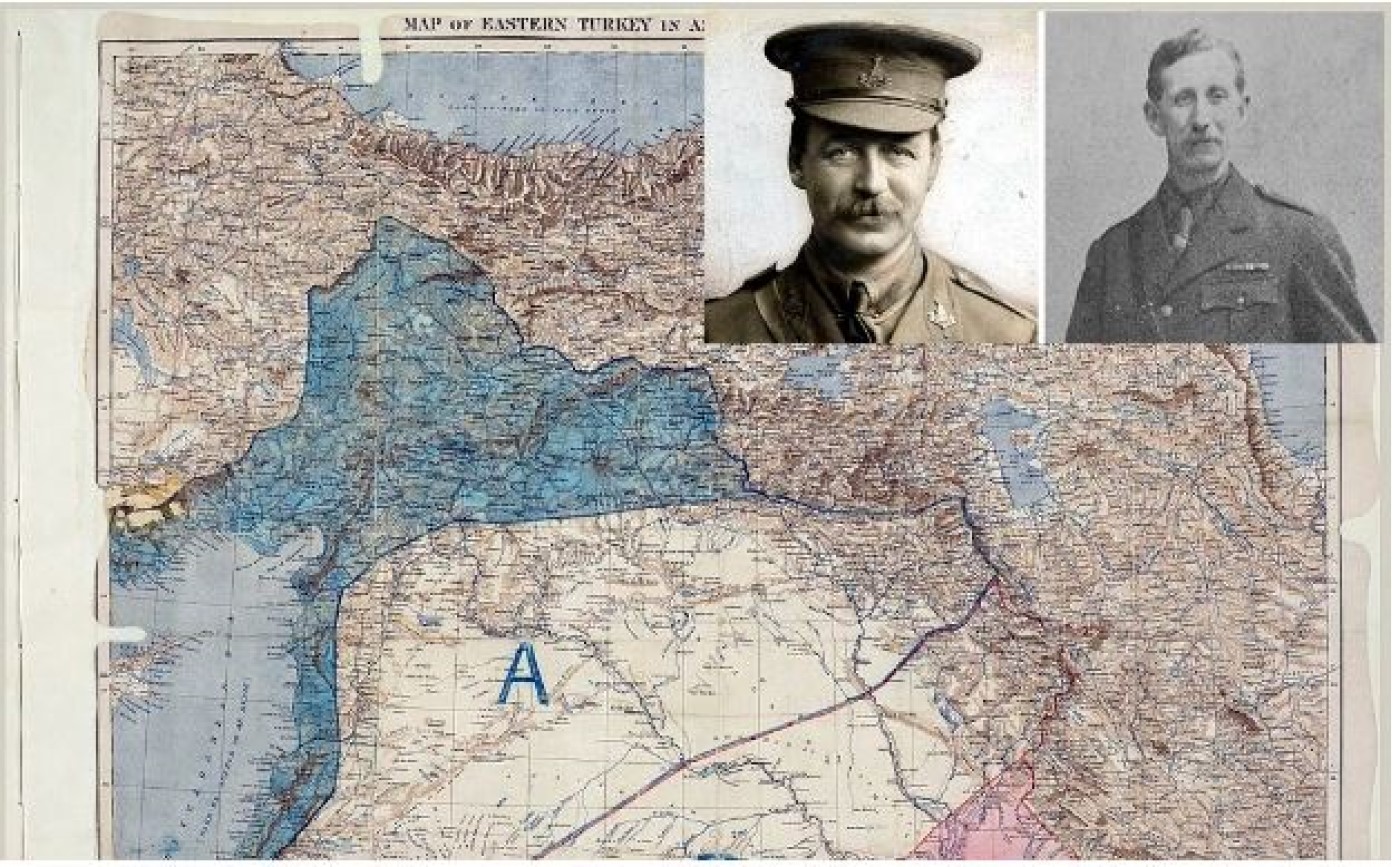
衝突的種子:帝國重劃的區域版圖
故事始於一個多世紀前,第一次世界大戰期間鄂圖曼帝國瀕臨瓦解。眼見「歐洲病夫」奄奄一息,歐洲大陸的殖民強權,主要是英國和法國,開始著手瓜分其廣闊的領土。其中最惡名昭彰的帝國瓜分藍圖便是1916年的賽克斯-皮科協定(Sykes-Picot Agreement)。這項由外交官馬克·賽克斯爵士(Sir Mark Sykes)和弗朗索瓦·喬治-皮科(François Georges-Picot)協商達成的秘密協定,為黎凡特地區(Levant)現代國家體系的建立奠定了框架。它在地圖上劃下的界線服務於歐洲的戰略利益——確保貿易路線、港口使用權以及對抗俄羅斯影響力的緩衝區——卻幾乎完全無視當地複雜的民族、教派和部落現實。
儘管賽克斯-皮科協定本身只是一個框架,但其原則在隨後的會議中,如1920年的聖雷莫會議(San Remo Conference)和1921年的開羅會議(Cairo Conference),得到了鞏固。這些會議最終確立了新政治實體的誕生:伊拉克、敘利亞、黎巴嫩和巴勒斯坦託管地(後來分裂為外約旦和巴勒斯坦)。此種帝國式的地圖繪製行為常被指為該地區的原罪。它迫使不同且時常相互敵對的群體被納入共同的、人為劃定的邊界。例如,伊拉克就成為了一個由什葉派阿拉伯人佔多數、強大的遜尼派阿拉伯少數民族以及北部大量非阿拉伯庫德族人口組成的動盪混合體。
這些強加的邊界創造了本質上不穩定的國家。正如歷史學家大衛·佛羅姆金(David Fromkin)所指出的,雖然像埃及和波斯這樣的古老國家擁有毋庸置疑的國家地位主張,而由像凱末爾的土耳其和伊本·沙烏地的沙烏地阿拉伯這樣強大的本土領導人建立的新興國家也獲得了承認,但第三類——那些「英法的孩子們」——自誕生以來就一直在為合法性而掙扎。這種根本性的不穩定,這種「出處」,正是滋生了一世紀衝突的沃土。
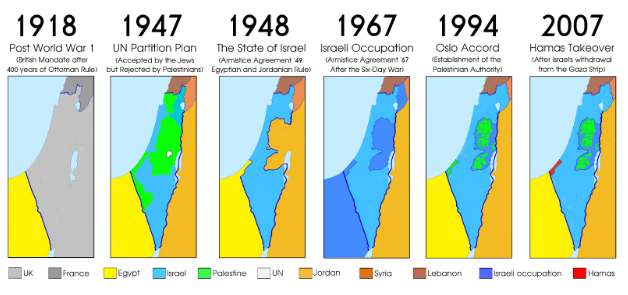
以色列的誕生
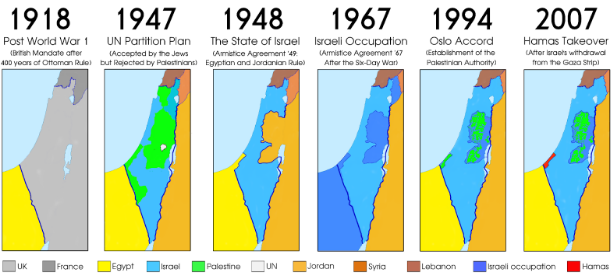
在這樣動盪的新格局中,以色列國於1948年宣告成立。在大屠殺的餘波中建立,並基於1917年貝爾福宣言(Balfour Declaration)的承諾,聯合國分治計畫為猶太國家的建立提供了國際授權。其獨立宣言是一個具有深遠地緣政治意義的時刻,立即遭到周邊阿拉伯國家的拒絕。此種拒絕引發了數場主要戰爭(1948年、1967年、1973年)中的第一場,阿拉伯世界團結一致,旨在摧毀這個新生的猶太國家。
這些戰爭界定了以色列核心的地緣政治現實:它是一個處於敵對環境中的小國,只能透過軍事優勢和時刻保持警惕的信條才能生存。此衝突也成為冷戰的核心戰場。美國日益成為以色列主要的後援和武器供應國,而蘇聯則支持並武裝像埃及和敘利亞這樣的關鍵阿拉伯民族主義國家。此全球競爭加劇了區域緊張局勢,使中東成為超級大國之間高風險的棋盤。
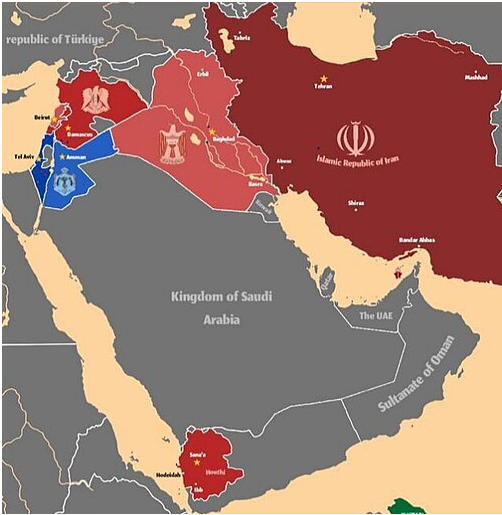
意想不到的聯盟:共同的邊緣地帶
在以阿敵對的背景下,一個令人驚訝且具有戰略關鍵性的夥伴關係出現了:以色列與巴勒維王朝(Shah Mohammad Reza Pahlavi)統治下的伊朗帝國之間的秘密聯盟。此聯盟純粹是地緣政治邏輯的產物。
在一個由像埃及的賈邁勒·阿卜杜-納賽爾(Gamal Abdel Nasser)這樣的世俗泛阿拉伯民族主義領導人主導的時代,以色列和伊朗都是阿拉伯世界邊緣的非阿拉伯強權。它們擁有共同的對手和共同的美國靠山。此「邊緣學說」使它們成為自然的(儘管是秘密的)盟友。
此夥伴關係極為務實。面臨阿拉伯石油禁運的伊朗,成為以色列至關重要且可靠的石油來源。作為回報,以色列向巴勒維政權提供先進的軍事專業知識、情報合作以及尖端的農業技術,以協助其國家現代化。從1950年代到1970年代末期,此關係是美國主導的中東秩序的穩定支柱。對於今日關注該地區的投資者而言,至關重要的是要理解,以伊之間的敵意並非古老、永恆的仇恨;它是一種現代現象,源於單一的、災難性的事件。
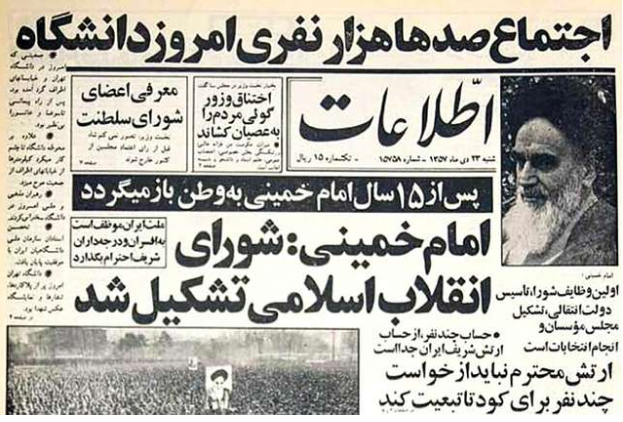
1979年伊朗革命
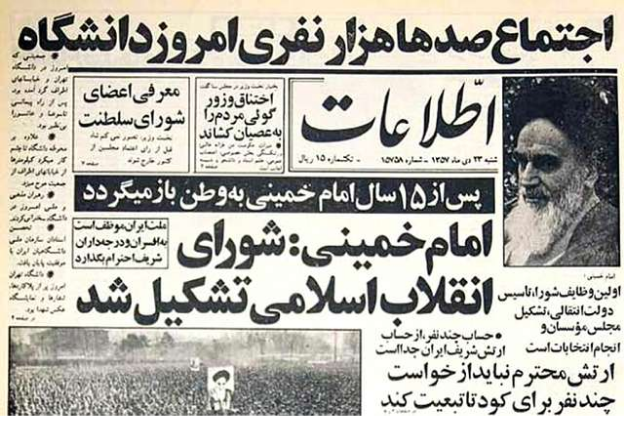
那個事件便是1979年的伊朗革命。巴勒維國王被推翻,以及在何梅尼(Ayatollah Ruhollah Khomeini)領導下革命神權政體的崛起,不僅改變了德黑蘭的政府;它徹底顛覆了中東的地緣政治版圖。
新政權以激進、擴張性的什葉派伊斯蘭意識形態為特徵。其身份認同建立在反對兩個「撒旦」的基礎之上:美國,即「大撒旦」,及其區域代理人以色列,即「小撒旦」。巴勒維親西方、務實的外交政策被一項革命使命所取代:輸出其伊斯蘭革命,推翻美國支持的波斯灣君主制國家,並最終摧毀其視為非法殖民植入體的以色列國。
一夜之間,一個戰略夥伴變成了不共戴天的生存敵人。區域穩定的根本基礎——與美國的共同結盟——被粉碎了。伊朗的新領導層不再對維持現狀感興趣;其核心目標是瓦解現狀。數十年的秘密合作被抹去,取而代之的是一道無法彌合的意識形態和地緣政治鴻溝。這正是以色列與伊朗之間冷戰真正開始的時刻,為未來四十年的代理人戰爭、核僵局和影子戰爭埋下了伏筆。
德黑蘭此革命政權的建立,為我們今日所見的衝突創造了條件。這是一個倒數計時的時鐘,指向一場不可避免的對抗。
(未完待續…)
保持聯繫並分享見解:
- 若您覺得本文有幫助,請點讚支持。
- 歡迎將此電子報轉發給可能覺得有價值的同事和朋友。
- 訂閱即可直接在您的收件匣中收到此分析。
- 在社群媒體上關注我們以獲取更多更新。
本電子報僅供參考,不構成任何證券或資產類別的投資建議或買賣推薦。文中所表達的觀點為作者截至發布日期的觀點,如有變動,恕不另行通知。所呈現的資訊乃基於從相信可靠的來源所獲取的數據,但其準確性、完整性和及時性不作保證。過往表現並非未來結果的指標。投資涉及風險,包括可能損失本金。讀者在做出任何投資決策前,應諮詢其財務顧問。作者及相關實體可能持有本文所討論的資產或資產類別的部位。
立即加入《Joe’s 華爾街脈動》LINE@官方帳號,獲得最新專欄資訊(點此加入)
關於《Joe’s 華爾街脈動》
鉅亨網特別邀請到擁有逾 22 年美國投資圈資歷、CFA 認證的機構操盤人 Joseph Lu 擔任專欄主筆。
Joe 為台裔美國人,曾管理超過百億美元規模的基金資產,並為總資產高達數千億美元的多家頂級金融機構提供資產配置優化建議。
Joe 目前帶領著由美國頂尖大學教授與博士組成的精英團隊,透過獨家開發的 "趨勢脈動 TrendFolios® 指標",為台灣投資人深度解析全球市場脈動,提供美股市場第一手專業觀點,協助投資人掌握先機。
An Investor’s Guide to the Israel-Iran Conflict: Part 1
A Century of Geopolitical Instability Culminates in a New Middle East Crisis.
By Joe 盧, CFA As of: 2025/06/19
EXECUTIVE SUMMARY
- Israel’s “Operation Rising Lion” has escalated its long-standing shadow war with Iran into direct military conflict, moving beyond proxy battles to open state-on-state hostilities.
- A major U.S. military buildup, including two carrier strike groups and direct presidential warnings, signals probable American intervention, dramatically increasing the conflict's scale.
- Severe market risks include oil price spikes and higher shipping costs as the Strait of Hormuz becomes a combat zone, prompting a flight to safe-haven assets like gold and the dollar.
- This is a modern conflict rooted in 20th-century instability, caused by the artificial borders of the Sykes-Picot Agreement and the regional power shift following Israel's founding in 1948.
- The 1979 Iranian Revolution ignited the conflict, turning Iran from a regional partner of Israel into a revolutionary foe and launching the 45-year cold war that has now turned hot.
Global markets are teetering this week as the Middle East has been plunged into its most dangerous crisis in a generation. The long-simmering "shadow war" between Israel and Iran has erupted into open, direct military conflict, shattering the fragile deterrence that has governed the region for decades. For investors, this is a moment of maximum uncertainty. The immediate impacts on oil prices, global shipping, and market volatility are already being felt, but to navigate the coming weeks and months, a deeper understanding of the conflict's historical and geopolitical roots is not just advisable—it is essential.
This is not a sudden, unforeseen flare-up. It is the violent culmination of a 45-year cold war, built upon a century of regional instability. This advisory will provide a concise overview of the current situation and then delve into the critical history that brought us to this precipice.
OPEN WARFARE IN THE MIDDLE EAST
The event that tipped the region into open conflict was Israel's "Operation Rising Lion," a direct and audacious series of military strikes against targets inside Iran, including its capital, Tehran. This represents a fundamental and high-stakes departure from the previous strategy of sabotage, cyberattacks, and targeted assassinations. The Israeli objective appears to be the decisive crippling of Iran's nuclear program and its military capabilities.
While initially framed as a "unilateral action" by the United States, that pretense has been abandoned. A massive and rapid American military buildup is underway, signaling that U.S. involvement is not a matter of if, but when and how. Key indicators include:
- Unprecedented Naval Power: The U.S. Navy has deployed two supercarrier strike groups, the USS Nimitz and the USS Carl Vinson, to the region. The presence of two such formidable assets in the same theater is a rare and powerful signal of intent, providing immense airpower and missile defense capabilities.
- Strategic Air Asset Repositioning: A vast armada of over 30 aerial refueling tankers has been repositioned toward the U.S. Central Command's area of responsibility. This is a critical logistical prerequisite for a sustained and large-scale air campaign, allowing bombers and fighter jets to operate deep within enemy territory.
- Direct Presidential Warnings: President Donald Trump has issued stark, unambiguous warnings, stating that "IRAN CAN NOT HAVE A NUCLEAR WEAPON" and urging the immediate evacuation of Tehran. This has been coupled with official State Department travel advisories instructing all U.S. citizens to depart Iran now.
The market implications are immediate and severe. The Strait of Hormuz, through which 25% of the world's oil supply passes, is now a live-fire zone. Any disruption, or even the threat of one, will send oil prices soaring, triggering inflationary pressures across the global economy. Maritime insurance premiums will skyrocket, impacting all global shipping. We can expect a significant flight to safety, with investors moving capital into the U.S. dollar, gold, and U.S. Treasuries, while equity markets face extreme volatility. Defense sector stocks will likely rally, but the broader economic outlook is now clouded by profound geopolitical risk.
To understand why this conflict has become unavoidable in the eyes of Israeli and American policymakers, we must look back at how the modern Middle East was forged.

THE SEEDS OF CONFLICT: A REGION REDRAWN BY EMPIRE
The story begins over a century ago, with the impending collapse of the Ottoman Empire during World War I. Seeing the "sick man of Europe" on its deathbed, the continent's colonial powers, primarily Britain and France, moved to claim its vast territories. The most infamous blueprint for this imperial dissection was the 1916 Sykes-Picot Agreement. This secret pact, negotiated by diplomats Sir Mark Sykes and François Georges-Picot, laid the framework for the modern state system in the Levant. It drew lines on a map that served European strategic interests—securing trade routes, port access, and a buffer against Russian influence—with little to no regard for the complex web of ethnic, sectarian, and tribal realities on the ground.
While the Sykes-Picot agreement itself was a framework, its principles were cemented in subsequent conferences like the 1920 San Remo and 1921 Cairo Conferences. These meetings finalized the creation of new political entities: Iraq, Syria, Lebanon, and Mandate Palestine (later divided into Transjordan and Palestine). This act of imperial cartography is often cited as the region’s original sin. It forced disparate and often rivalrous groups into shared, artificial borders. Iraq, for instance, became a volatile mix of a Shia Arab majority, a powerful Sunni Arab minority, and a large, non-Arab Kurdish population in the north.
These imposed borders created inherently unstable nations. As historian David Fromkin noted, while ancient states like Egypt and Persia had an unquestioned claim to statehood, and new states forged by strong indigenous leaders like Ataturk's Turkey and Ibn Saud's Saudi Arabia gained acceptance, the third category—the "children of England and France"—has struggled for legitimacy ever since. This foundational instability, this "provenance," is the fertile ground in which a century of conflict has grown.
THE BIRTH OF ISRAEL
Into this volatile new landscape came the founding of the state of Israel in 1948. Forged in the aftermath of the Holocaust and built upon the promise of the 1917 Balfour Declaration, the UN Partition Plan provided the international mandate for a Jewish state. Its declaration of independence was a moment of profound geopolitical significance, immediately rejected by the surrounding Arab states. This rejection triggered the first of several major wars (1948, 1967, 1973) as the Arab world united in its aim to destroy the nascent Jewish state.
These wars defined Israel's core geopolitical reality: it was a small nation in a hostile neighborhood that could only survive through military superiority and a doctrine of constant vigilance. The conflict also became a central theater of the Cold War. The United States increasingly became Israel's primary backer and arms supplier, while the Soviet Union supported and armed key Arab nationalist states like Egypt and Syria. This global rivalry amplified regional tensions, turning the Middle East into a high-stakes chessboard for the superpowers.

THE UNLIKELY ALLIANCE: A SHARED PERIPHERY
Amidst this backdrop of Arab-Israeli hostility, a surprising and strategically crucial partnership emerged: a quiet alliance between Israel and Imperial Iran under the rule of Shah Mohammad Reza Pahlavi. This alliance was born of pure geopolitical logic.
In an era dominated by the secular, pan-Arab nationalism of leaders like Egypt’s Gamal Abdel Nasser, both Israel and Iran were non-Arab powers on the periphery of the Arab world. They shared a common adversary and a common patron in the United States. This "periphery doctrine" made them natural, if clandestine, allies.
The partnership was deeply practical. Iran, facing an Arab oil boycott, became a vital and reliable source of oil for Israel. In return, Israel provided the Shah’s regime with advanced military expertise, intelligence cooperation, and cutting-edge agricultural technology to help modernize his nation. From the 1950s until the late 1970s, the relationship was a stable pillar of the American-led order in the Middle East. For investors looking at the region today, it is critical to understand that Israeli-Iranian enmity is not an ancient, eternal hatred; it is a modern phenomenon, born from a single, cataclysmic event.
THE 1979 IRANIAN REVOLUTION
That event was the Iranian Revolution of 1979. The overthrow of the Shah and the rise of a revolutionary theocracy under Ayatollah Ruhollah Khomeini did not just change the government in Tehran; it completely inverted the geopolitical map of the Middle East.
The new regime was defined by a radical, expansionist Shia Islamist ideology. Its identity was forged in opposition to two "Satans": the United States, the "Great Satan," and its regional proxy, Israel, the "Little Satan." The Shah's pro-Western, pragmatic foreign policy was replaced with a revolutionary mission: to export its Islamic revolution, overthrow the American-backed monarchies of the Persian Gulf, and ultimately destroy the state of Israel, which it viewed as an illegitimate colonial implant.
Overnight, a strategic partner became an irreconcilable existential foe. The fundamental basis for regional stability—a shared alignment with the United States—was shattered. Iran's new leadership was no longer interested in maintaining the status quo; its core objective was to dismantle it. The decades of quiet cooperation were erased, replaced by an ideological and geopolitical chasm that could not be bridged. This was the moment the cold war between Israel and Iran truly began, setting the stage for the proxy battles, the nuclear standoff, and the shadow war that would define the next four decades.
The establishment of this revolutionary regime in Tehran created the conditions for the conflict we see today. It was a ticking clock, counting down to an inevitable confrontation.
To be continued...
Stay Connected & Share the Insights:
- Like this article if you found it helpful.
- Forward this newsletter to colleagues and friends who might find it valuable.
- Subscribe to receive this analysis directly to your inbox.
- Follow us on social media for more updates.
This newsletter is provided for informational purposes only and does not constitute investment advice or a recommendation to buy or sell any security or asset class. The views expressed are those of the author as of the date of publication and are subject to change without notice. Information presented is based on data obtained from sources believed to be reliable, but its accuracy, completeness, and timeliness are not guaranteed. Past performance is not indicative of future results. Investing involves risks, including the possible loss of principal. Readers should consult with their own financial advisors before making any investment decisions. The author and associated entities may hold positions in the assets or asset classes discussed herein.
Join the official LINE account of "Joe’s Wall Street Pulse" now to receive the latest column updates (click here to join)