•
【Joe’s華爾街脈動】地緣政治警報解除,市場擁抱風險
儘管油價下跌和聯準會降息預期帶動市場普遍上漲,但潛在趨勢分歧預示未來市場環境將更具選擇性
Joe 盧, CFA 2025年6月23日 美東時間
重點摘要
- 伊朗有限的報復性攻擊引發市場急轉,油價重挫與市場對聯準會降息預期,帶動股市全面反彈。
- 我們的趨勢分析顯示道瓊工業平均指數轉為正向,羅素2000指數亦從極度負面狀態中恢復,市場廣度有所改善。
- 大型股之間的分歧持續存在,微軟(Microsoft)趨勢增強,而亞馬遜(Amazon)動能停滯,Alphabet則明確轉為負面。
- 我們的TrendFolios分析指出美國經濟出現降溫,消費者信心的評估從正向轉弱至中性。
- 類股出現明顯的風險偏好輪動,非必需消費品類股趨勢轉為正向,而能源類股趨勢則逆轉為負面。
- 主要國際市場的上漲動能已停滯,我們對歐盟、英國和日本的趨勢評估在過去一週均從正向轉弱至中性。
市場概覽
伊朗針對美國在卡達空軍基地的報復性攻擊,被證明是一種經過精密計算的象徵性舉動,而非重大的局勢升級,此一發展大幅緩解了全球市場對地緣政治的恐慌。週末美國空襲伊朗核設施一度引發市場動盪,但隨後隨著局勢明朗而轉為強勁反彈。伊朗飛彈攻擊具預告性、克制性,並被成功攔截,且未造成人員傷亡。這向投資者釋出一項明確訊號:可能威脅關鍵能源供應路線的更大範圍衝突或將得以避免,而川普總統表態期盼和平的言論更強化了此一看法。
市場的反應迅速且果斷。原油價格大幅下跌,因投資者對荷莫茲海峽供應中斷的擔憂煙消雲散,緩解了通膨疑慮。這為股市提供了顯著的順風,帶動了典型的風險偏好轉動,週期性類股表現領先。同時,最初的避險潮亦迅速消退,美元下跌,公債殖利率下滑,因投資者紛紛撤出防禦性部位,並接受了局勢降溫的論述。
隨著地緣政治風險溢價大幅降低,投資者的焦點迅速回到美國國內經濟情勢與聯準會政策。當日的交易背景是好壞參半的美國經濟數據:製造業表現穩健,而規模較大的服務業則出現降溫。再加上一位聯準會官員發表支持短期內可能降息的鴿派言論,為當日的漲勢提供了另一個支柱,並使市場焦點重新回到經濟成長和利率的路徑上。
整體市場指數
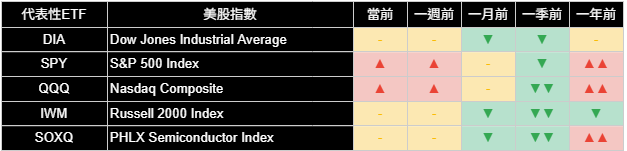
市場的風險偏好激增,主要指數的趨勢顯著改善。其中最顯著的轉變發生在羅素2000小型股指數。根據我們的評估,該指數從原本深度負面狀態中急劇恢復。道瓊工業平均指數在近期疲弱後,其趨勢亦轉為正向,顯示市場力道可能正在擴大。儘管標普500指數和那斯達克綜合指數維持其穩固的正向趨勢,但其他關鍵基準指數的穩定,代表著在地緣政治局勢降溫後,投資者信心更為健康且廣泛。
美國十大企業
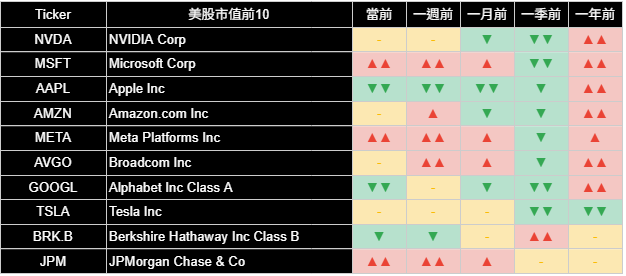
在市場領先的大型股中,分歧仍然是主要關鍵。投資者現在明顯偏好擁有獨特的催化因素的個股,同時減碼動能停滯的標的。我們的分析顯示,微軟(Microsoft)本已正向的趨勢顯著增強,Meta (Meta Platforms)則維持其強勁的樂觀預期。形成鮮明對比的是,亞馬遜(Amazon)的正面動能正減弱至中性。最劇烈的惡化則出現在Alphabet,其趨勢已明確轉為負向。這種兩極化的走勢突顯出投資者不再同步買進所有領先大型股,而是根據可察覺的動能和公司特定驅動因素進行篩選。
美國總體經濟


儘管整體經濟活動仍維持擴張性,美國的潛在經濟狀況正顯現鬆動跡象,尤其是在消費端。TrendFolios分析反應了此項微妙變化,消費者信心的評估在近幾週以來,首次從正向轉弱至中性。美國經濟這項關鍵引擎的降溫,加上近期製造業和服務業數據呈現的好壞參半訊號,引發了對經濟成長持久性的質疑,並使美國聯準會未來的政策路徑更加複雜。
產業類股總覽
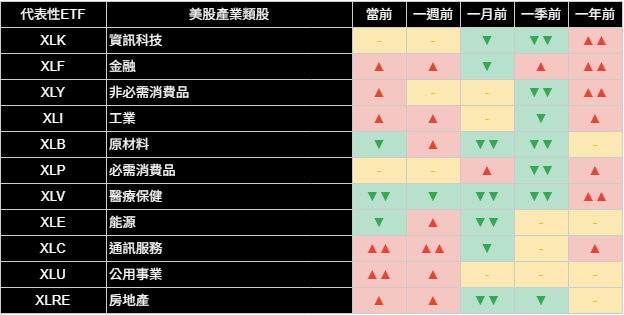
在地緣政治緊張局勢緩解和油價下跌的推動下,各類股出現了決定性的風險偏好輪動。最顯著的趨勢轉變發生在經濟光譜的兩端。我們對非必需消費品類股的評估上修至正向,顯示市場信心正在恢復。相反地,隨著原油價格暴跌,能源類股的趨勢從正向突然逆轉為負向。此轉動突顯出投資者正在為持續的經濟韌性和能源驅動的通膨降低的情境重新佈局。然而,醫療保健類股的持續疲弱以及原物料類股近期的下滑,顯示市場表面之下仍存在揮之不去的交錯影響。
國際市場

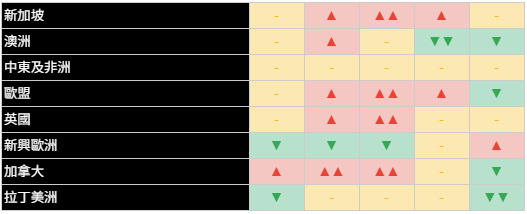
先前在多個主要國際市場積聚的上漲動能近期出現停滯跡象。過去一週,我們的趨勢分析顯示歐盟、英國和日本的動能明顯減弱,其評估均從正向轉弱至中性。此種普遍的趨緩顯示,全球經濟成長可能正面臨與近期中東衝突無相關性的阻力。儘管某些領域仍保持強勢,例如香港獨特的強勁正向趨勢,但多個主要地區信心的流失,已引發投資者對全球經濟擴張持久性的質疑。
其他資產
市場氣氛急劇轉向風險偏好,對大宗商品市場造成嚴重衝擊。原油價格的戲劇性逆轉主導了市場趨勢,由於伊朗有限的報復性行動緩解了對大規模供應中斷的擔憂,油價隨之暴跌。此一發展為工業金屬帶來支撐,因市場寄望能源成本降低將提振全球經濟活動而上漲。固定收益方面,長期美國公債的上漲反映了最初的避險需求,更重要的是,市場日益相信美國聯準會正朝著降息的方向邁進。
保持聯繫並分享見解:
- 若您覺得本文有幫助,請點讚支持。
- 歡迎將此電子報轉發給可能覺得有價值的同事和朋友。
- 訂閱即可直接在您的收件匣中收到此分析。
- 在社群媒體上關注我們以獲取更多更新。
本電子報僅供參考,不構成任何證券或資產類別的投資建議或買賣推薦。文中所表達的觀點為作者截至發布日期的觀點,如有變動,恕不另行通知。所呈現的資訊乃基於從相信可靠的來源所獲取的數據,但其準確性、完整性和及時性不作保證。過往表現並非未來結果的指標。投資涉及風險,包括可能損失本金。讀者在做出任何投資決策前,應諮詢其財務顧問。作者及相關實體可能持有本文所討論的資產或資產類別的部位。
立即加入《Joe’s 華爾街脈動》LINE@官方帳號,獲得最新專欄資訊(點此加入)
關於《Joe’s 華爾街脈動》
鉅亨網特別邀請到擁有逾 22 年美國投資圈資歷、CFA 認證的機構操盤人 Joseph Lu 擔任專欄主筆。
Joe 為台裔美國人,曾管理超過百億美元規模的基金資產,並為總資產高達數千億美元的多家頂級金融機構提供資產配置優化建議。
Joe 目前帶領著由美國頂尖大學教授與博士組成的精英團隊,透過獨家開發的 "趨勢脈動 TrendFolios® 指標",為台灣投資人深度解析全球市場脈動,提供美股市場第一手專業觀點,協助投資人掌握先機。
Geopolitical Relief Rally Triggers Decisive Risk-On Rotation
Markets shrug off Middle East tensions as falling oil prices and Fed rate cut hopes fuel broad-based gains, though underlying trend divergences signal a more selective environment ahead.
By Joe 盧, CFA As of: June 23, 2025
EXECUTIVE SUMMARY
- A retaliatory strike from Iran triggered a sharp market reversal, with plunging oil prices and renewed Fed rate cut hopes fueling a broad equity rally.
- Market breadth improved as our trend analysis showed the Dow Jones Industrial Average turning positive and the Russell 2000 recovering from a deeply negative stance.
- Divergence persists among megacaps, with trends for Microsoft strengthening while momentum stalled for Amazon and turned decisively negative for Alphabet.
- Our proprietary analysis points to a subtle cooling in the U.S. economy, with the assessment for consumer strength weakening from positive to neutral.
- A clear risk-on rotation was visible in the sectors, as the trend for Consumer Discretionary turned positive while the Energy sector's trend reversed to negative.
- Upward momentum has stalled in key international markets, with our trend assessments for the EU, UK, and Japan all fading from positive to neutral over the past week.
MARKET OVERVIEW
A dramatic reversal from geopolitical fear to relief swept global markets, as Iran's retaliatory strike against a U.S. air base in Qatar proved to be a calculated and symbolic gesture rather than a significant escalation. Initial market jitters following U.S. airstrikes on Iranian nuclear facilities over the weekend gave way to a strong rally. The telegraphed and contained nature of Iran's missile response, which was successfully intercepted with no casualties, signaled to investors that a wider conflict threatening crucial energy supply routes might be averted, a perception bolstered by comments from President Trump hoping for a path toward peace.
The market's reaction was swift and decisive. The primary move was a plunge in crude oil prices as fears of a supply disruption through the Strait of Hormuz evaporated, easing inflation concerns. This provided a significant tailwind for equities, fueling a classic risk-on rotation that saw cyclical sectors outperform. The initial flight to safety unwound just as quickly, with the U.S. dollar declining and Treasury yields falling as investors moved out of defensive positions and embraced the de-escalation narrative.
With the geopolitical risk premium sharply reduced, investor focus has snapped back to the domestic economic picture and Federal Reserve policy. The day's trading was set against a backdrop of mixed U.S. economic data, which showed manufacturing holding firm while the larger services sector cooled. This, combined with dovish commentary from a Federal Reserve official supporting a potential near-term rate cut, provided another pillar for the day's rally and reset market focus on the path for growth and interest rates.
BROAD INDICES
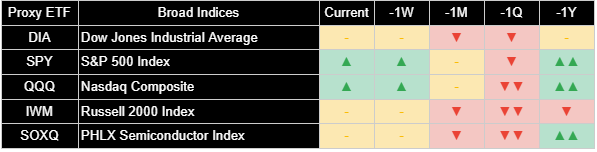
The market's risk appetite surged, reflected in significant trend improvements across major indices. The most notable shift was in the Russell 2000 small-cap index, where our assessment showed a dramatic recovery from a deeply negative stance. The Dow Jones Industrial Average also saw its trend turn positive after recent weakness, suggesting a potential broadening of market strength. While the S&P 500 and Nasdaq Composite maintained their firm positive trends, the stabilization in these other key benchmarks signals a healthier, more widespread investor confidence following the geopolitical de-escalation.
TOP 10 U.S. COMPANIES
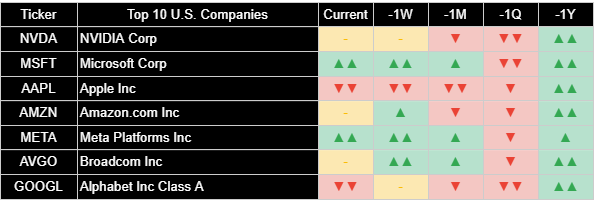

Divergence remains the key theme among market-leading megacaps, as investors reward unique catalysts while moving away from names with stalling momentum. Our analysis shows Microsoft’s already positive trend strengthened considerably, and Meta Platforms maintained its robustly positive outlook. In sharp contrast, positive momentum faded for Amazon, with its trend weakening to neutral. The most significant deterioration was in Alphabet, whose trend has turned decisively negative. This bifurcation underscores that investors are no longer lifting all top-tier stocks, but are instead discriminating based on perceived momentum and company-specific drivers.
U.S. ECONOMIC INDICATORS
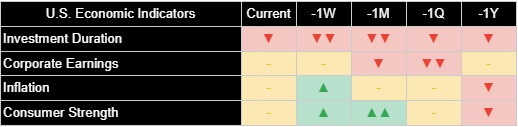
The underlying economic picture is showing signs of moderation, particularly around the consumer, even as headline activity remains expansionary. This subtle shift was captured in our proprietary analysis, which saw the assessment for consumer strength weaken from a positive to a neutral reading for the first time in recent weeks. This cooling in a critical engine of the U.S. economy, occurring alongside mixed signals from recent manufacturing and services data, raises questions about the durability of growth and complicates the Federal Reserve’s policy path ahead.
SECTOR OVERVIEW
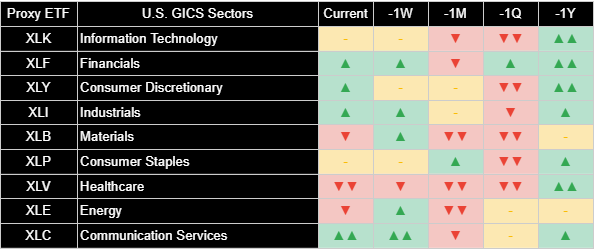

A decisive risk-on rotation was evident across sectors, driven by geopolitical relief and falling oil prices. The most significant trend shifts occurred at opposite ends of the economic spectrum. Our assessment for the Consumer Discretionary sector improved to positive, reflecting renewed confidence. Conversely, the trend for the Energy sector abruptly reversed from positive to negative as crude prices tumbled. This rotation highlights investors repositioning for a scenario of continued economic resilience and lower energy-driven inflation. However, persistent weakness in Healthcare and a recent downturn in Materials point to lingering crosscurrents beneath the market’s surface.
INTERNATIONAL MARKETS
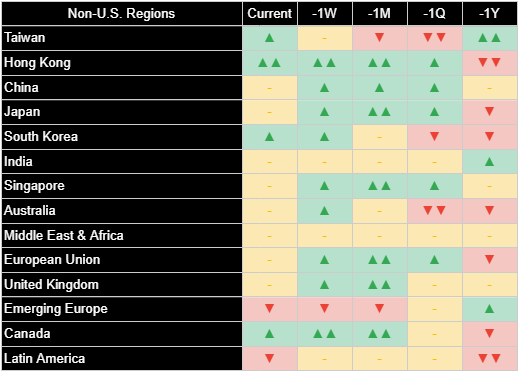
The upward momentum that had been building in several key international markets appears to be stalling. Over the past week, our trend analysis showed a distinct loss of momentum for the European Union, the United Kingdom, and Japan, with their assessments all fading from positive to neutral. This broad-based softening suggests global growth may be facing headwinds independent of the recent Middle East conflict. While some pockets of strength persist, such as Hong Kong’s uniquely strong positive trend, the loss of conviction across multiple major regions raises questions about the durability of the global expansion.
OTHER ASSETS
The market's sharp pivot to a risk-on stance sent shockwaves through the commodity complex. The narrative was dominated by the dramatic reversal in crude oil, which plunged as Iran’s contained retaliation eased fears of a major supply disruption. This development supported industrial metals, which rallied on hopes that lower energy costs would bolster global economic activity. In fixed income, the rally in longer-duration Treasury Bonds reflects both the initial flight to safety and, more importantly, growing market conviction that the Federal Reserve is moving closer to cutting interest rates.
Stay Connected & Share the Insights:
- Like this article if you found it helpful.
- Forward this newsletter to colleagues and friends who might find it valuable.
- Subscribe to receive this analysis directly to your inbox.
- Follow us on social media for more updates.
This newsletter is provided for informational purposes only and does not constitute investment advice or a recommendation to buy or sell any security or asset class. The views expressed are those of the author as of the date of publication and are subject to change without notice. Information presented is based on data obtained from sources believed to be reliable, but its accuracy, completeness, and timeliness are not guaranteed. Past performance is not indicative of future results. Investing involves risks, including the possible loss of principal. Readers should consult with their own financial advisors before making any investment decisions. The author and associated entities may hold positions in the assets or asset classes discussed herein.
Join the official LINE account of "Joe’s Wall Street Pulse" now to receive the latest column updates (click here to join)