
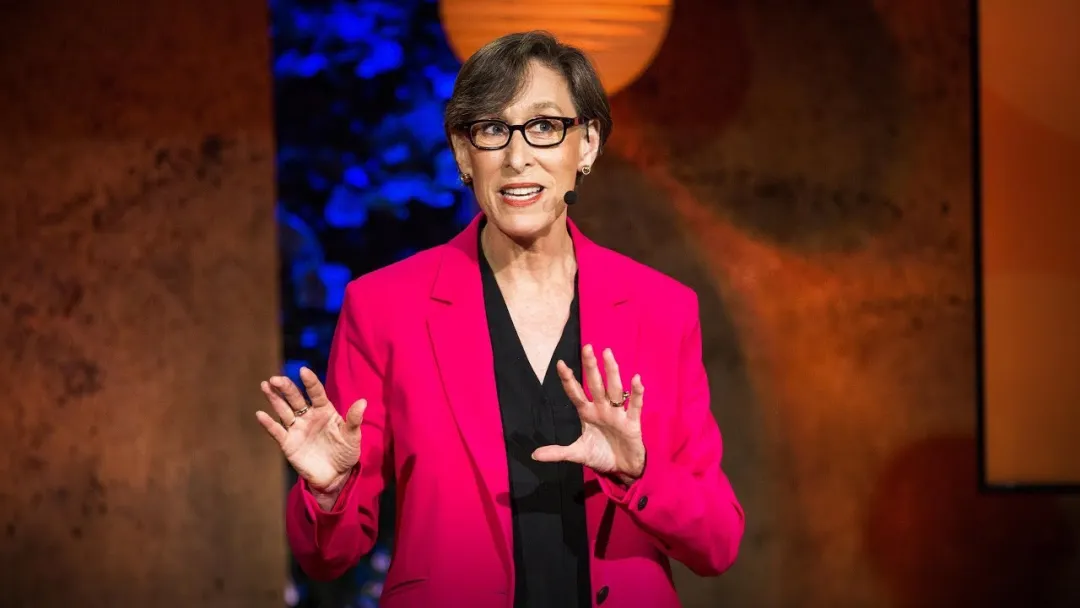
很多人把運氣歸為上天餽贈,是可遇不可求的偶然,覺得好運全憑命運垂青,壞事降臨就是時運不濟。史丹佛大學教授蒂娜·齊莉格(Tina Seelig)在訪談中提出顛覆性觀點:90%的人都理解錯了運氣,運氣不是被動等待的天意,而是可以主動創造的能力。短短15秒真誠的感謝與讚美,就有可能撬動意想不到的機遇:免費車輛維修、得到行業前輩無償指導、甚至收穫全新的工作機會。

長久以來,大眾對運氣存在巨大認知誤區。我們習慣將好運視作隨機彩票,把成功裡的意外收穫歸結為命好,遭遇挫折就感嘆運氣糟糕。彷彿運氣是完全不受個人掌控的外部力量,人只能被動接受命運拋擲的結果。但Tina Seelig認為,運氣不是純粹隨機事件,它是準備、姿態、人際互動疊加出來的產物。機遇一直散佈在我們身邊,只是絕大多數人沒有打開接收好運的開關。
其中最簡單、成本最低的開關,就是真誠的感謝與讚美。訪談中提到大量真實案例:有的人僅僅是當面真誠致謝修車師傅,對方主動幫他免除部分維修費用;年輕人向行業前輩發自內心表達欣賞,意外收穫免費長期教練指導;求職者面試結束後寫下簡短真誠的感謝,在眾多候選人中脫穎而出拿到offer。整個表達過程,往往只需要15秒。
這背後並非什麼神奇魔法,而是人性的底層規律。大多數人習慣索取、習慣把他人的善意當作理所當然。當你主動給出真誠的肯定與謝意,會打破平淡的社交慣性。這份正向反饋會讓對方感受到被看見、被尊重,人會本能願意向懂得感恩的人釋放更多善意、分享資訊、提供機會。好運不是憑空掉下來,是別人願意向你傾斜資源。
但這裡要分清:這不是功利的套路。虛情假意的奉承、目的性極強的討好很容易被識破,只會帶來反感。真正起效的,是發自內心看見他人的付出,簡短、具體的感謝。不是空泛的“你好厲害”,而是“剛剛謝謝你花時間幫我解答問題,這點對我啟發很大”。十五秒,只是時間長度,核心是一份看見他人的心意。
當然,15秒的感謝只是創造運氣的其中一環。Tina Seelig完整的運氣邏輯包含三層。第一,保持開放,打破固有社交邊界,願意和不同的人產生連接,好運往往來自意料之外的人脈;第二,做好自身儲備,機會來臨的時候,你要有能力接住,感恩是敲門磚,自身實力才是承接運氣的底座;第三,重構看待挫折的視角,很多所謂“壞運氣”,換個角度看,恰恰是未來好運的鋪墊。
生活裡很多人坐等好運降臨,封閉自我,對他人的付出視而不見,一邊感嘆自己運氣差,一邊關閉所有接收善意的通道。總覺得重大機遇要靠宏大的行動,卻忽略微小的語言力量。一句及時的感謝,一次由衷的讚美,不需要金錢,不需要複雜籌備,卻可以改變人與人之間關係的走向。
運氣不完全由天意書寫。一部分命運我們無法掌控,但我們完全可以掌控自己待人的姿態。不要坐等好運找上門,學會主動點亮身邊人與人之間的微光。那些看似突如其來的幸運,很多時候,就是從這短短十幾秒的真誠表達,慢慢生長出來。
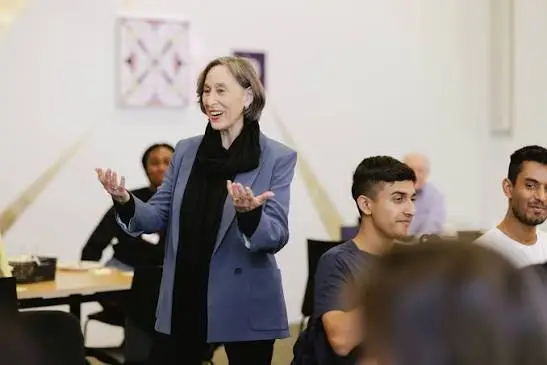
The Underlying Logic of Luck: Stanford Professor Tina Seelig's Eye-Opening Truth
Most people misunderstand luck in the wrong way. In an insightful interview, Stanford professor Tina Seelig elaborates on the true essence of luck and how people can take charge of it. She also reveals how a simple expression of gratitude and praise can reshape one's destiny in an instant.
People tend to believe that luck is dictated by fate. Yet in reality, a sincere 15-second thank-you can bring unexpected blessings: free car repairs, free professional coaching, and even new job opportunities.
The majority of the public holds a huge misconception about luck. We generally regard good luck as a random gift from heaven and attribute unexpected gains in success to sheer good fortune. When setbacks strike, we lament our bad luck. It seems that luck is an external force completely beyond human control, and people can only passively accept whatever fate delivers. However, Tina Seelig puts forward a subversive viewpoint: luck is not a matter of passive fate, but an ability that can be actively cultivated. Opportunities are always around us, yet most people never turn on the switch to receive good fortune.
The simplest and most cost-effective switch is sincere gratitude and praise. The interview cites numerous real-life cases. Some people receive free vehicle repairs merely by sincerely thanking mechanics face to face. Youngsters gain free long-term guidance from industry seniors by expressing genuine admiration for them. Job seekers stand out from countless candidates and secure offers with a short and heartfelt thank-you note after interviews. All of these warm interactions take no more than fifteen seconds.
There is no magic behind this phenomenon; it follows the fundamental rules of human nature. Most people are accustomed to taking and taking for granted the kindness of others. When you take the initiative to offer sincere recognition and gratitude, you break the inertia of ordinary social interactions. This positive feedback makes others feel seen and respected. Instinctively, people are willing to extend more kindness, share valuable information, and provide opportunities to those who know how to be grateful. Good luck never falls from nowhere; it comes from others' willingness to tilt resources in your favor.
It is crucial to distinguish this genuine practice from utilitarian routines. Hypocritical flattery and purposeful ingratiation are easily detected and only trigger aversion instead of goodwill. What truly works is noticing others' efforts from the bottom of your heart and offering concise and specific thanks. Empty compliments like “you are amazing” pale in comparison with sincere words such as “thank you for taking the time to answer my questions; your advice has inspired me greatly.” Fifteen seconds is just a short span of time; the core lies in the sincerity of seeing and acknowledging others.
A 15-second thank-you is only one part of creating good luck. Tina Seelig's complete logic of luck consists of three core layers. First, stay open-minded, break inherent social boundaries, and connect with diverse people, for good fortune often comes from unexpected interpersonal bonds. Second, accumulate personal capabilities. Gratitude serves as a stepping stone, yet personal strength is the foundation to seize opportunities when they arrive. Third, reshape your perspective on setbacks. Many so-called bad lucks, when viewed from another angle, lay the groundwork for future good fortune.
Many people in life wait passively for luck to come their way, close themselves off, and turn a blind eye to others' kindness. They complain about their poor luck while shutting down all channels of receiving goodwill. They assume great opportunities require grand actions, yet overlook the power of tiny verbal kindness. A timely word of thanks and a sincere compliment cost no money and require no complicated preparation, yet they can completely change the trajectory of interpersonal relationships.
Luck is not entirely written by fate. We cannot control part of our destiny, but we can fully control our attitude toward others. Instead of waiting passively for good fortune, take the initiative to kindle the faint warmth in interpersonal interactions. Most seemingly sudden strokes of good luck grow gradually from these sincere fifteen-second expressions of gratitude.
Key Vocabulary:
1. elaborate /ɪˈlæbəreɪt/ v. to explain or describe something in more detail 詳細闡述,細說;文中指教授深入解讀運氣的本質與掌控方法
2. destiny /ˈdestəni/ n. the events that will necessarily happen to a person in the future 命運,天命;文中指個人人生際遇與發展軌跡
3. misconception /ˌmɪskənˈsepʃn/ n. a wrong idea or understanding of something 誤解,錯誤認知;文中指大眾對運氣的固有錯誤看法
4. subversive /səbˈvɜːsɪv/ adj. challenging and changing traditional beliefs or systems 顛覆性的;文中指打破傳統運氣認知的全新觀點
5. cultivate /ˈkʌltɪveɪt/ v. to develop a skill, quality or relationship over time 培養,習得;文中指主動修煉創造好運的能力
6. heartfelt /ˈhɑːtfelt/ adj. sincere and deeply felt 真誠懇切的,發自內心的;文中形容真摯的感謝與讚美
7. inertia /ɪˈnɜːʃə/ n. a tendency to stay unchanged and resist new development 慣性,惰性;文中指平淡固化的社交常態
8. instinctively /ɪnˈstɪŋktɪvli/ adv. based on natural instinct rather than thought 本能地;文中指人自發向感恩之人釋放善意的天性
9. utilitarian /ˌjuːtɪlɪˈteəriən/ adj. focused on practical benefit only 功利性的;文中指帶有目的性、刻意討好的社交方式
10. hypocritical /ˌhɪpəˈkrɪtɪkl/ adj. pretending to be virtuous or sincere 虛偽的,假意的;文中指虛假的奉承與誇讚
11. ingratiation /ɪnˌɡreɪʃiˈeɪʃn/ n. the act of trying to gain favor by flattery 討好,逢迎;文中指刻意博取他人好感的行為
12. aversion /əˈvɜːʃn/ n. a strong dislike or opposition 反感,厭惡;文中指虛假社交引發的負面情緒
13. inherent /ɪnˈhɪərənt/ adj. existing as a natural basic feature 固有的,與生俱來的;文中指人自帶的社交邊界與思維定式
14. diverse /daɪˈvɜːs/ adj. showing a great variety of different forms 多樣的,形形色色的;文中指不同圈層、不同身份的人
15. accumulate /əˈkjuːmjəleɪt/ v. to collect and build up gradually 積累,積澱;文中指個人能力與實力的長期儲備
16. trajectory /trəˈdʒektəri/ n. the path or course of development 發展軌跡,走向;文中指人際關係與人生際遇的變化趨勢
17. passive /ˈpæsɪv/ adj. accepting things without active response 被動的,消極的;文中指坐等好運、不主動作為的狀態
18. initiate /ɪˈnɪʃieɪt/ v. to start or begin something actively 主動發起,開啟;文中指主動表達感謝、釋放善意
19. stroke /strəʊk/ n. a single sudden successful event 一次機遇,一番際遇;strokes of good luck 突如其來的好運
20. kindle /ˈkɪndl/ v. to arouse or inspire a feeling or atmosphere 點燃,激發;文中指主動喚醒人際間的善意與溫暖 (AI時代潮)