•
【Joe’s華爾街脈動】專題:應對中東緊張局勢:以伊衝突的新升級
以色列與伊朗之間的直接衝突開闢了新的地緣政治戰場。以下是關鍵細節。
Joe 盧, CFA 2025年6月15日 美東時間
重點摘要
- 以色列與伊朗之間的直接軍事衝突標誌著該地區局勢的重大升級,為全球市場帶來了新的不確定性。
- 對投資者而言,這意味著風險加劇,能源價格、股市和避險資產可能出現劇烈波動。
- 全球經濟面臨的主要風險是能源價格持續飆升,這可能助長通膨並增加關鍵產業的成本。更大範圍的衝突很容易將油價推升至每桶100美元以上。
- 隨著原定的核談判被取消,外交斡旋的空間正在縮小。美國正處於複雜的立場,敦促緩和局勢,同時警告伊朗不要針對美國利益。
- 投資者應保持警惕,了解潛在的連鎖反應,並確保您的投資組合多元化以抵禦當前的動盪。
影子戰爭的新篇章
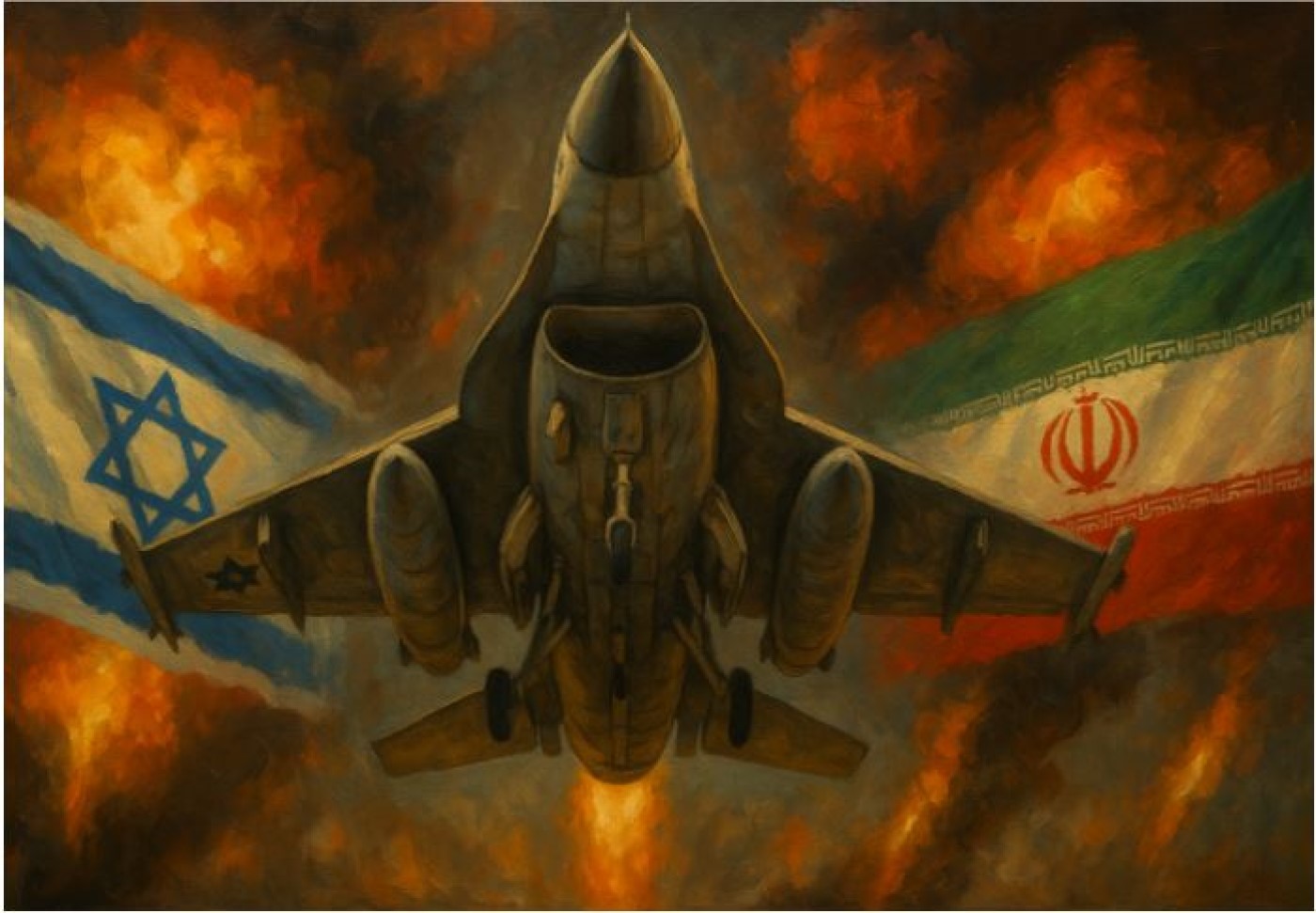
過去幾天,以色列與伊朗之間長期醞釀的「影子戰爭」已爆發為公開衝突。6月13日,以色列發動了「雄獅崛起行動(Operation Rising Lion)」,對伊朗境內多個目標,包括核設施和軍事設施,進行了一系列先發制人的打擊。其宣稱的目標是阻止伊朗發展核武器。這次史無前例的攻擊動用了數十架飛機,並鎖定德黑蘭、伊斯法罕和納坦茲等地的關鍵地點。
伊朗迅速做出反應,向以色列發射了數波無人機和彈道飛彈。儘管許多飛彈被攔截,但仍有一些成功突防,造成人員傷亡,並損壞了海法的民用建築和一座煉油廠。雙方的交火已持續三天,且均表示願意進一步升級局勢。
對您的投資有何影響?
能源價格:最直接且最顯著的影響是油價。國際基準布蘭特原油在以色列初步攻擊後飆升超過9%,突破每桶78美元。伊朗是主要的石油生產國,其產量受到任何干擾,或更嚴重的是,全球石油貿易重要通道荷莫茲海峽的關閉,都可能導致油價飆漲。分析師警告,全面衝突可能將油價推升至每桶100美元以上。
影響為何?油價上漲意味著運輸和製造成本增加,可能助長通膨。對您的投資組合而言,這意味著能源類股公司的獲利能力可能提升。相反地,高度依賴燃料的產業,如航空公司和航運公司,則可能面臨重大利空。
股票市場:全球股市對地緣政治風險加劇做出負面反應。在初步攻擊後,道瓊工業平均指數下跌超過750點。不確定性正導致資金流向避險資產,投資者紛紛撤離股票等風險較高的資產。
影響為何?預期股市將持續波動。國防等類股可能持續受到支撐,而旅遊和休閒產業則可能受挫。此刻應保持冷靜;基於短期市場波動做出草率決定鮮少明智。檢視您投資組合的多元化程度,確保其能夠安然度過此不確定時期。
避險資產:在動盪時期,投資者通常會湧向「避險」資產,包括創下歷史新高的黃金,以及美元。
影響為何?黃金等資產可以提供對抗通膨和地緣政治不穩定性的避險。在投資組合中配置一部分此類資產,有助於減輕波動較大類股的損失。
過去的電子報曾指出,國防相關企業、黃金以及大宗商品是潛在的投資機會。不幸的是,從市場的角度來看,近期事件與先前所指出的這些領域相符,且並非完全出乎意料。
美國的立場
美國已公開表示未參與以色列的攻擊行動,並敦促緩和局勢。川普總統已警告伊朗不要對美國利益發動任何攻擊,同時也暗示以色列和伊朗之間可能達成協議。原定於阿曼舉行的美伊核談判已被取消,為外交前景增添了另一層不確定性。
與此同時,其他區域參與者也逐漸被捲入。伊朗支持的葉門胡塞叛軍持續攻擊紅海航運,儘管最近與美國達成停火協議後,此類事件的頻率有所降低。亦有報導指出以色列近期在葉門採取了軍事行動。
展望未來
局勢仍然高度不穩定。關鍵問題是此衝突是否會擴大。全面戰爭可能帶來毀滅性的經濟後果,甚至可能引發全球經濟衰退。美國的行動對於遏制或升級衝突至關重要。
作為投資者,應保持消息靈通,但切勿恐慌。市場最初的衝擊固然顯著,但市場歷來都能從地緣政治危機中復甦。長期影響將取決於此衝突是否能得到控制,抑或演變成更廣泛的區域戰爭。目前而言,審慎的做法是檢視您投資組合的風險曝險,確保其在不同資產類別和地理區域之間充分多元化,並為未來幾天和幾週內持續的波動做好準備。
保持聯繫並分享見解:
- 若您覺得本文有幫助,請點讚支持。
- 歡迎將此電子報轉發給可能覺得有價值的同事和朋友。
- 訂閱即可直接在您的收件匣中收到此分析。
- 在社群媒體上關注我們以獲取更多更新。
本電子報僅供參考,不構成任何證券或資產類別的投資建議或買賣推薦。文中所表達的觀點為作者截至發布日期的觀點,如有變動,恕不另行通知。所呈現的資訊乃基於從相信可靠的來源所獲取的數據,但其準確性、完整性和及時性不作保證。過往表現並非未來結果的指標。投資涉及風險,包括可能損失本金。讀者在做出任何投資決策前,應諮詢其財務顧問。作者及相關實體可能持有本文所討論的資產或資產類別的部位。
立即加入《Joe’s 華爾街脈動》LINE@官方帳號,獲得最新專欄資訊(點此加入)
關於《Joe’s 華爾街脈動》
鉅亨網特別邀請到擁有逾 22 年美國投資圈資歷、CFA 認證的機構操盤人 Joseph Lu 擔任專欄主筆。
Joe 為台裔美國人,曾管理超過百億美元規模的基金資產,並為總資產高達數千億美元的多家頂級金融機構提供資產配置優化建議。
Joe 目前帶領著由美國頂尖大學教授與博士組成的精英團隊,透過獨家開發的 "趨勢脈動 TrendFolios® 指標",為台灣投資人深度解析全球市場脈動,提供美股市場第一手專業觀點,協助投資人掌握先機。
Navigating Middle East Tensions: A New Escalation in the Israel-Iran Conflict
The direct conflict between Israel and Iran has opened a new geopolitical battleground. Here are the key details.
By Joe 盧, CFA As of: June 15, 2025
EXECUTIVE SUMMARY
- The direct military conflict between Israel and Iran marks a significant escalation in the region, introducing a new level of volatility to global markets.
- For investors, this means heightened risk and the potential for sharp movements in energy prices, equities, and safe-haven assets.
- The primary risk to the global economy is a sustained surge in energy prices, which threatens to fuel inflation and increase costs for key industries. A wider conflict could easily push oil past $100 a barrel.
- Diplomatic off-ramps are narrowing as planned nuclear talks have been called off. The United States is navigating a complex position, urging de-escalation while warning Iran against targeting American interests.
- Investors should remain vigilant, understand the potential ripple effects, and ensure your portfolio is diversified to withstand the current turbulence.
A NEW CHAPTER IN A SHADOW WAR
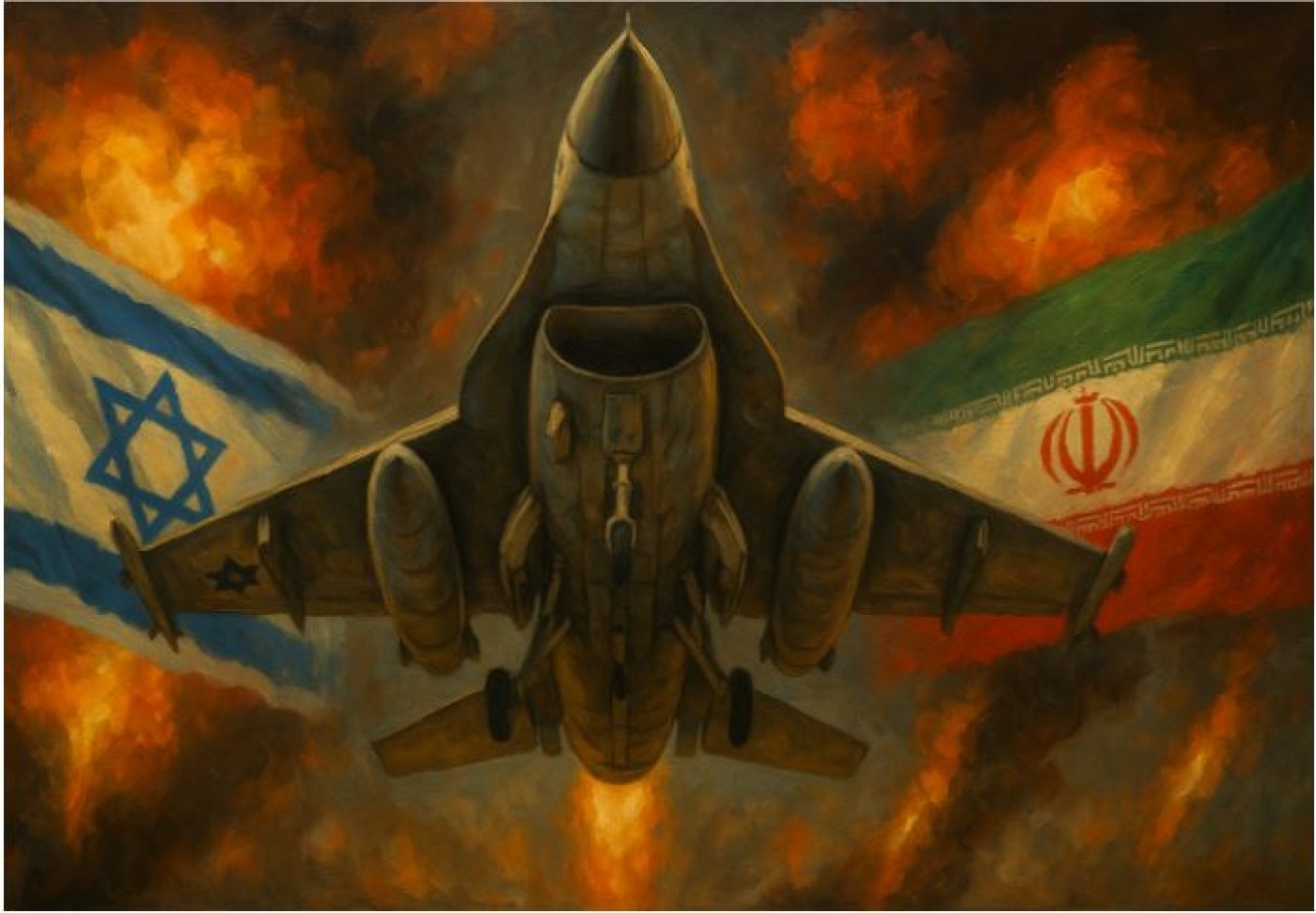
Over the last few days, the long-simmering "shadow war" between Israel and Iran has broken into open conflict. On June 13, Israel launched "Operation Rising Lion," a series of preemptive strikes against multiple targets in Iran, including nuclear facilities and military installations. The stated goal was to prevent Iran from developing nuclear weapons. This unprecedented attack involved dozens of aircraft and targeted key sites in Tehran, Isfahan, and Natanz, among others.
Iran's response was swift, launching waves of drones and ballistic missiles into Israel. While many were intercepted, some missiles did get through, causing casualties and damage to civilian buildings and an oil refinery in Haifa. This exchange of fire has continued for three consecutive days, with both sides signaling a willingness to escalate further.
SO WHAT FOR YOUR INVESTMENTS?
Energy Prices: The most immediate and significant impact has been on oil prices. Brent crude, the international benchmark, surged over 9% following the initial Israeli strikes, crossing $78 a barrel. Iran is a major oil producer, and any disruption to its output or, more critically, a closure of the Strait of Hormuz, a vital channel for global oil trade, could send prices soaring. Analysts have warned that a full-blown conflict could push oil above $100 a barrel.
Higher oil prices translate to increased costs for transportation and manufacturing, which can fuel inflation. For your portfolio, this means companies in the energy sector may see a boost in profitability. Conversely, industries heavily reliant on fuel, such as airlines and shipping companies, could face significant headwinds.
Equity Markets: Global stock markets reacted negatively to the increased geopolitical risk. The Dow Jones Industrial Average sank over 750 points following the initial attacks. The uncertainty is causing a flight to safety, with investors moving away from riskier assets like stocks.
Expect continued volatility in the stock market. Sectors like defense may see continued support, while travel and leisure could suffer. This is a time for a steady hand; rash decisions based on short-term market movements are rarely wise. Review your portfolio's diversification to ensure it can weather this period of uncertainty.
Safe Havens: In times of turmoil, investors typically flock to "safe-haven" assets. This includes gold, which has hit record highs, and the U.S. dollar.
Assets like gold can provide a hedge against inflation and geopolitical instability. Holding a portion of your portfolio in such assets can help mitigate losses in more volatile sectors.
We have highlighted defense companies, gold, and broader commodities as key areas of opportunity in past newsletters. While tragic, this event should not be a complete surprise from a market perspective.Past newsletters have pointed to defense companies, gold, and commodities as potential investment opportunities. Tragically, recent events, from a market standpoint, align with these previously identified areas and should not be entirely unexpected.
THE U.S. POSITION
The United States has publicly stated it was not involved in the Israeli strikes and is urging de-escalation. President Trump has warned Iran against any attacks on U.S. interests, while also suggesting that a deal between Israel and Iran could be reached. Planned nuclear talks between the U.S. and Iran in Oman have been called off, adding another layer of uncertainty to the diplomatic landscape.
Meanwhile, other regional actors are being drawn in. The Iran-backed Houthi rebels in Yemen have continued their attacks on shipping in the Red Sea, though a recent ceasefire with the U.S. has reduced the frequency of these incidents. There are reports of recent Israeli military action in Yemen as well.
LOOKING FORWARD
The situation remains highly fluid. The key question is whether this conflict will expand. A full-scale war could have devastating economic consequences, potentially triggering a global recession. The actions of the United States will be crucial in either containing or escalating the conflict.
As investors, it is to stay informed but not to panic. The initial market shock is significant, but markets have a history of recovering from geopolitical crises. The long-term implications will depend on whether this conflict remains contained or spirals into a wider regional war. For now, the prudent approach is to review your portfolio's risk exposure, ensure it is well-diversified across different asset classes and geographies, and be prepared for continued volatility in the days and weeks to come.
Stay Connected & Share the Insights:
- Like this article if you found it helpful.
- Forward this newsletter to colleagues and friends who might find it valuable.
- Subscribe to receive this analysis directly to your inbox.
- Follow us on social media for more updates.
This newsletter is provided for informational purposes only and does not constitute investment advice or a recommendation to buy or sell any security or asset class. The views expressed are those of the author as of the date of publication and are subject to change without notice. Information presented is based on data obtained from sources believed to be reliable, but its accuracy, completeness, and timeliness are not guaranteed. Past performance is not indicative of future results. Investing involves risks, including the possible loss of principal. Readers should consult with their own financial advisors before making any investment decisions. The author and associated entities may hold positions in the assets or asset classes discussed herein.
Join the official LINE account of "Joe’s Wall Street Pulse" now to receive the latest column updates (click here to join)