•
【Joe’s華爾街脈動】關稅威脅再起,市場震盪,終結創紀錄連漲
白宮擴大貿易戰線,股票基準指數從歷史高點回落;公債殖利率上揚,預示風險環境複雜化
Joe 盧, CFA | 2025年7月7日 美東時間
重點摘要
- 由於意外的新關稅公告為市場注入顯著不確定性,美國股市從歷史高點急劇回落。
- 拋售潮範圍廣泛,小型股表現不佳,而公用事業等防禦型類股則在此避險浪潮中微幅上漲。
- 在大量新債供給預期和聯準會降息押注降溫的推動下,公債殖利率上漲,與典型的避險趨勢相悖。
- 市場焦點已從上週強勁的就業報告,明確轉向本週即將到來的公債標售以及企業對貿易政策的曝險程度。
- 政府宣布對日本、南韓等國的新關稅計畫,加劇了貿易緊張局勢,雖將最後期限延長至8月1日,但稅率高於預期。
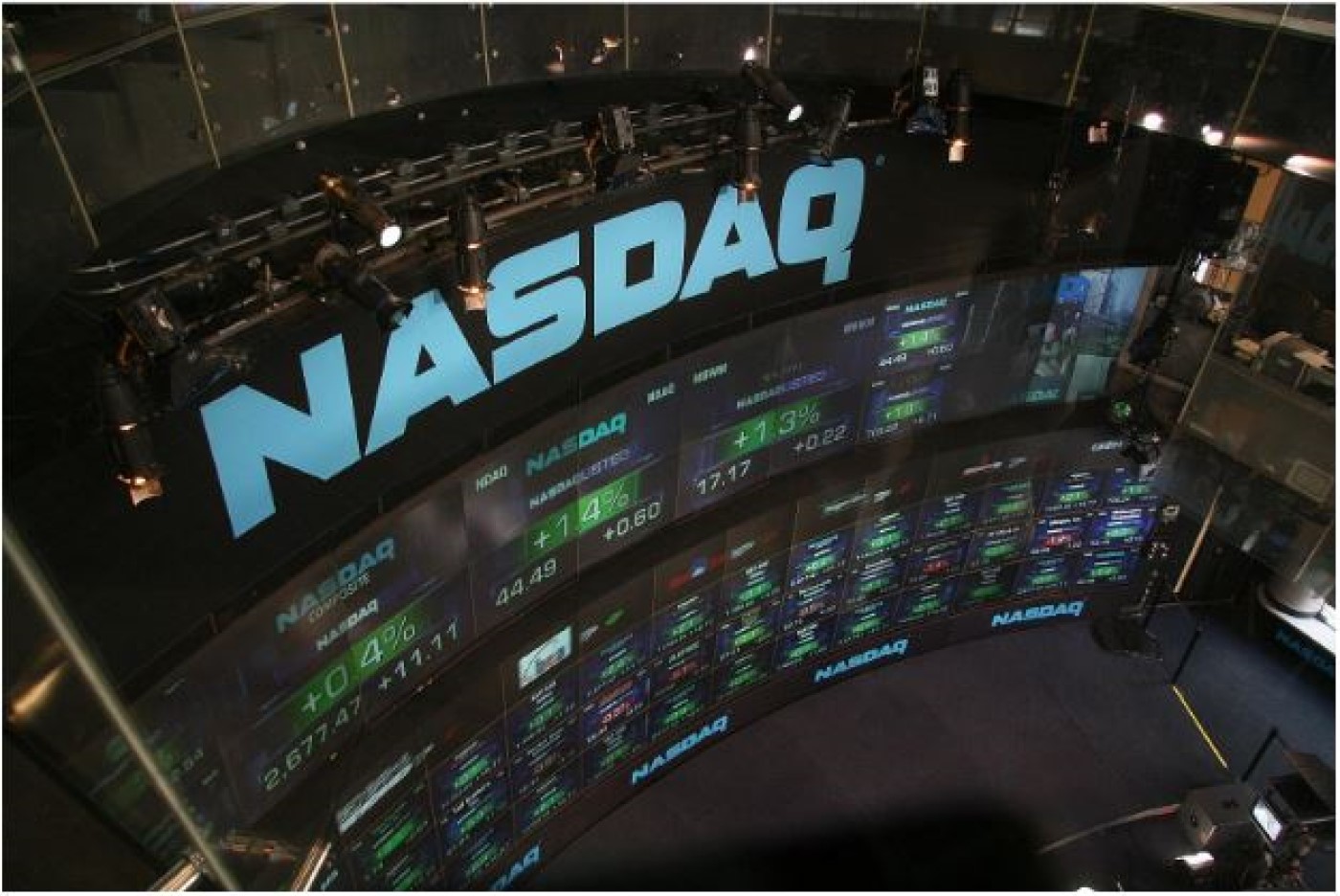
今日盤勢再次證實,地緣政治貿易政策已凌駕於經濟數據之上,成為市場的主要驅動力。這波突如其來的政策改變不僅突然中止了近期的漲勢,也使投資格局轉回管理頭條新聞風險的模式。在上週收於歷史高點後,主要指數明確下挫,標普500指數和那斯達克指數下跌近1%,小型股羅素2000指數跌幅超過1.5%。造成市場動盪的導火線來自於白宮的一系列公告,詳細說明對包括日本、南韓和馬來西亞在內的主要貿易夥伴徵收25%的新關稅,以及對南非徵收30%的關稅,將於8月1日生效。儘管這延長了先前7月9日的最後期限,但高於預期的稅率和貿易衝突的擴大,已重新引發對全球經濟成長和企業利潤率的嚴重擔憂。
固定收益市場則呈現出更為複雜的景象,挑戰了傳統避險資金流入債券市場的單一論述。10年期美國公債殖利率攀升至4.39%,此走勢與典型的避險趨勢背道而馳。這顯示債券投資者正權衡多重因素。上週強勁的非農業就業報告大幅降低了對聯準會短期降息的預期,9月份降息的機率從上週的近100%降至70%以下。此外,市場正為本週大量的新債供給做準備,預計將有1190億美元的公債進行標售。此種動態表明,儘管聯準會可能保持觀望以評估新關稅的通膨影響,但政府借貸的壓力正同時推高殖利率。
因此,市場的焦點已從慶祝經濟韌性轉向剖析企業的脆弱性。由於英特爾(INTC)和德州儀器(TXN)等關鍵企業在馬來西亞的業務往來,對馬來西亞加徵關稅的公告立即為半導體產業蒙上陰影。同樣地,新預算法案取消了電動車稅收抵免,此政策為特斯拉(TSLA)這種本已承壓的個股,帶來了另一個不利因素。展望未來,隨著第二季財報季將在本週拉開序幕,投資者將密切關注的不僅是目標國家的報復行動,還有關於供應鏈和利潤率影響的最新評論。在經濟數據清淡的一週,這些地緣政治和公司特定的發展將持續是形塑市場方向的主導力量。
週一資產焦點:美國指數與個股趨勢
今日市場焦點集中在美股,整體展現出持續且廣泛的上行動能。那斯達克綜合指數漲勢加速,半導體類股亦重拾正面動能。然而,在市場上市值最大的幾家公司之間,表現分歧明顯,顯示投資者正變得更具選擇性,並區分領導者與落後者。
圖表一:美國股市指數(美元計價)
- 道瓊工業平均指數(代表ETF:DIA):當前:▲▲,上週:▲▲
- 標普500指數(代表ETF:SPY):當前:▲▲,上週:▲▲
- 那斯達克綜合指數(代表ETF:QQQ):當前:▲▲,上週:▲
- 羅素2000指數(代表ETF:IWM):當前:▲,上週:▲
- 費城半導體指數(代表ETF:SOXQ):當前:▲,上週:--
過去一週,美國主要股市指數證實了穩固的正向市場背景。道瓊工業平均指數和標普500指數均維持其非常正向的趨勢。值得注意的是,以科技股為重的那斯達克綜合指數趨勢從正向加速至非常正向,而費城半導體指數則從中性立場改善至正向。這表明科技類股的領導地位正在擴大。小型股羅素2000指數維持其正向趨勢,證實了市場普遍的強勢。
圖表二:美國五大企業(美元計價)
- 輝達(NVIDIA Corp) (股票代號:NVDA):當前:--,上週:--
- 微軟(Microsoft Corp) (股票代號:MSFT):當前:▲▲,上週:▲▲
- 蘋果(Apple Inc) (股票代號:AAPL):當前:--,上週:▼
- 亞馬遜(Amazon.com Inc) (股票代號:AMZN):當前:--,上週:▲
- Meta (Meta Platforms Inc) (股票代號:META):當前:▲▲,上週:▲▲
大型股之間已出現明顯的兩極分化。微軟(Microsoft Corp)和Meta (Meta Platforms Inc)仍然是主導的領導者,兩者均維持其非常正向的趨勢。相較之下,其他關鍵個股的動能已減弱。亞馬遜(Amazon.com Inc)的趨勢從正向惡化至中性,而輝達(NVIDIA Corp)則持續停滯於中性區域。唯一的改善跡象來自蘋果(Apple Inc),其趨勢在上週為負面後穩定至中性,儘管仍落後於市場領導者。此種分歧突顯出市場從廣泛買入轉向對特定公司基本面更具辨別力的焦點。
👍若您覺得這份研究有價值,請對本文按讚。
📲加入並追蹤鉅亨號,與我們互動,即可獲取更多趨勢指標和市場資訊。
📰追蹤此部落格。
💬LINE好友。
➡️將此分析分享給您的親朋好友,一同獲取最新投資觀點。
本電子報僅供參考,不構成任何證券或資產類別的投資建議或買賣推薦。文中所表達的觀點為作者截至發布日期的觀點,如有變動,恕不另行通知。所呈現的資訊乃基於從相信可靠的來源所獲取的數據,但其準確性、完整性和及時性不作保證。過往表現並非未來結果的指標。投資涉及風險,包括可能損失本金。讀者在做出任何投資決策前,應諮詢其財務顧問。作者及相關實體可能持有本文所討論的資產或資產類別的部位。
New Tariff Threats Rattle Markets, Snapping Record Streak
Equity benchmarks pull back from all-time highs as the White House extends the trade-war front, while rising bond yields signal a complex risk environment.
By Joe 盧, CFA | July 7, 2025
Executive Summary
- U.S. equities retreated sharply from record highs as unexpected new tariff announcements injected significant uncertainty into the market.
- The sell-off was broad-based with small-caps underperforming, while defensive sectors like utilities posted modest gains against the risk-off tide.
- Treasury yields rose, driven by expectations of heavy new supply and tempered Fed rate cut bets, bucking the typical flight-to-safety trend.
- The focus shifted decisively from last week’s strong jobs report to this week’s upcoming Treasury auctions and corporate exposure to trade policy.
- The administration escalated trade tensions by announcing new tariff plans for Japan, South Korea, and others, extending the deadline to August 1 but at higher-than-expected rates.
Today's session confirms that geopolitical trade policy has once again eclipsed economic data as the market's primary driver, abruptly halting the recent rally and shifting the investment landscape back toward managing headline risk. After closing last week at all-time highs, major indices sold off decisively, with the S&P 500 and Nasdaq falling nearly 1% and the small-cap Russell 2000 declining over 1.5%. The catalyst was a series of White House announcements detailing new 25% tariffs on key trading partners including Japan, South Korea, and Malaysia, along with a 30% duty on South Africa, set to take effect August 1. While this extends the previous July 9 deadline, the higher-than-expected rates and the widening of the trade conflict have reintroduced acute concerns about global growth and corporate profit margins.
The fixed income market presented a more complex picture, challenging the simple risk-off narrative. The 10-year Treasury yield climbed to 4.39%, a move contrary to a typical flight-to-safety. This signals that bond investors are weighing multiple factors. Last week’s strong nonfarm payrolls report significantly dialed back expectations for near-term Fed rate cuts, with the probability of a September cut falling below 70% from nearly 100% last week. Furthermore, the market is bracing for a heavy week of new supply, with $119 billion in Treasury auctions scheduled. This dynamic indicates that while the Fed may stay on the sidelines to assess the inflationary impact of new tariffs, the weight of government borrowing is simultaneously pressuring yields higher.
The market’s focus has therefore pivoted from celebrating a resilient economy to dissecting corporate vulnerabilities. The announcement of tariffs on Malaysia immediately cast a shadow over the semiconductor sector, given the exposure of key firms like Intel (INTC) and Texas Instruments (TXN) to the region. Likewise, the new budget bill’s elimination of EV tax credits provided another headwind for names like Tesla (TSLA), which was already under pressure. Looking ahead, investors will be closely watching not only for retaliatory actions from targeted nations but also for commentary on supply chain and margin impacts as Q2 earnings season kicks off this week. With a light economic calendar, these geopolitical and company-specific developments will remain the dominant force shaping market direction.
Monday Asset Focus: U.S. Indices & Stock Trends
Today's focus is on the U.S. equity market, which shows continued broad-based strength. The trend in the Nasdaq Composite has accelerated, and semiconductors are showing renewed positive momentum. However, a clear performance divergence is apparent among the market's largest companies, signaling that investors are becoming more selective and differentiating between leaders and laggards.
Exhibit 1: U.S. Equity Indices (in USD)
- Dow Jones Industrial Average (Proxy ETF: DIA): Current: ▲▲, Last Week: ▲▲
- S&P 500 Index (Proxy ETF: SPY): Current: ▲▲, Last Week: ▲▲
- Nasdaq Composite (Proxy ETF: QQQ): Current: ▲▲, Last Week: ▲
- Russell 2000 Index (Proxy ETF: IWM): Current: ▲, Last Week: ▲
- PHLX Semiconductor Index (Proxy ETF: SOXQ): Current: ▲, Last Week: --
The major U.S. equity indices confirm a solidly positive market backdrop over the past week. Both the Dow Jones Industrial Average and the S&P 500 Index maintained their strongly positive trends. Notably, the technology-heavy Nasdaq Composite saw its trend accelerate from positive to strongly positive, while the PHLX Semiconductor Index improved from a neutral stance to positive. This indicates that leadership from the technology sector is broadening. The small-cap Russell 2000 Index held its positive trend, confirming widespread market strength.
Exhibit 2: Top 5 U.S. Companies (in USD)
- NVIDIA Corp (Ticker: NVDA): Current: --, Last Week: --
- Microsoft Corp (Ticker: MSFT): Current: ▲▲, Last Week: ▲▲
- Apple Inc (Ticker: AAPL): Current: --, Last Week: ▼
- Amazon.com Inc (Ticker: AMZN): Current: --, Last Week: ▲
- Meta Platforms Inc (Ticker: META): Current: ▲▲, Last Week: ▲▲
A clear bifurcation has emerged among mega-cap stocks. Microsoft Corp and Meta Platforms Inc remain dominant leaders, both maintaining their strongly positive trends. In contrast, momentum has faded for other key names. Amazon.com Inc's trend deteriorated from positive to neutral, while NVIDIA Corp remained stalled in neutral territory. The one sign of improvement came from Apple Inc, which stabilized to a neutral trend after being negative last week, though it continues to lag the market leaders. This divergence underscores a shift from broad-based buying to a more discerning focus on specific company fundamentals.
👍'Like' this article if you found this research valuable.
📲 Join our private channels to get more trend indicators and market information delivered directly to you. Choose your preferred channel to stay informed.
➡️Share this analysis to someone in your network who appreciates a data-driven perspective.
This newsletter is provided for informational purposes only and does not constitute investment advice or a recommendation to buy or sell any security or asset class. The views expressed are those of the author as of the date of publication and are subject to change without notice. Information presented is based on data obtained from sources believed to be reliable, but its accuracy, completeness, and timeliness are not guaranteed. Past performance is not indicative of future results. Investing involves risks, including the possible loss of principal. Readers should consult with their own financial advisors before making any investment decisions. The author and associated entities may hold positions in the assets or asset classes discussed herein.
立即加入《Joe’s 華爾街脈動》LINE@官方帳號,獲得最新專欄資訊(點此加入)
關於《Joe’s 華爾街脈動》
鉅亨網特別邀請到擁有逾 22 年美國投資圈資歷、CFA 認證的機構操盤人 Joseph Lu 擔任專欄主筆。
Joe 為台裔美國人,曾管理超過百億美元規模的基金資產,並為總資產高達數千億美元的多家頂級金融機構提供資產配置優化建議。
Joe 目前帶領著由美國頂尖大學教授與博士組成的精英團隊,透過獨家開發的 "趨勢脈動 TrendFolios® 指標",為台灣投資人深度解析全球市場脈動,提供美股市場第一手專業觀點,協助投資人掌握先機。