
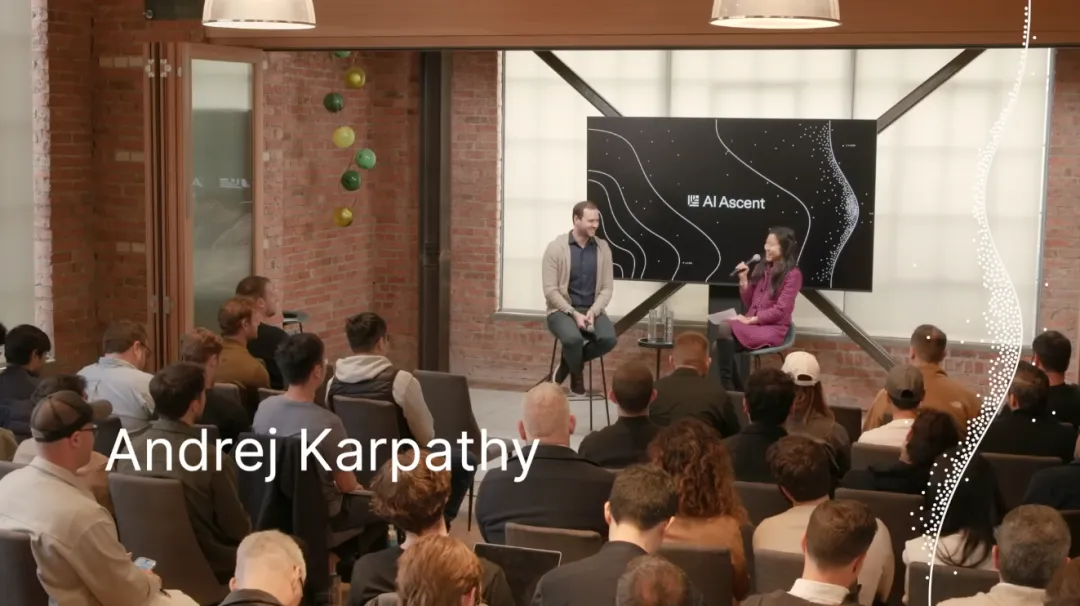
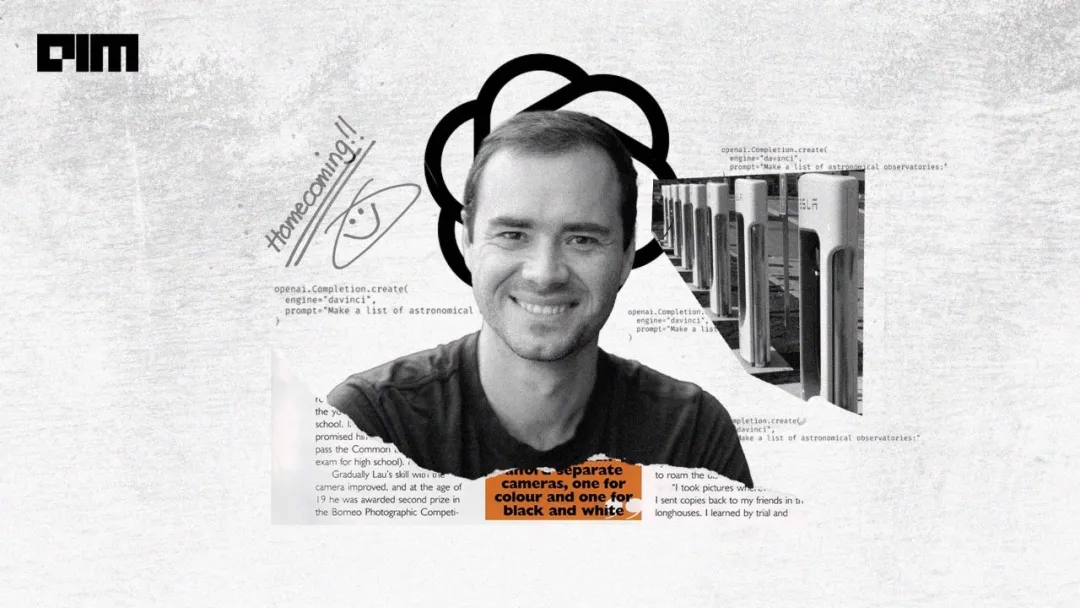
一位父親問Andrej Karpathy:如果AGI真的要來了,該教8歲的孩子什麼?這不是一個假設性的問題。Karpathy是OpenAI創始成員、前特斯拉AI負責人,如今全職投身AI原生教育。在近期與Dwarkesh Patel的訪談中,他給出的答案乾脆俐落:數學、物理、電腦科學。其餘的,等以後再說,如果還需要的話。
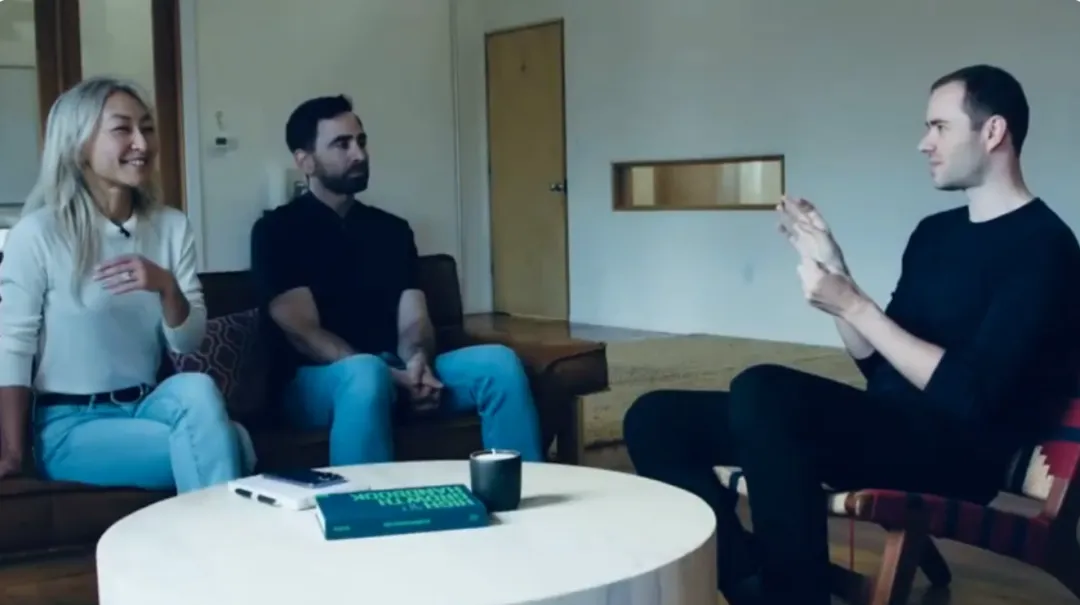
這句話之所以在社交媒體上被反覆轉述、層層加碼,是因為它戳中了一個普遍的焦慮:無數家長正在把孩子的童年兌換成競賽證書、排名和標準化考試成績單,卻沒有人認真問過——十年後,這些東西還值錢嗎?
Karpathy真正的邏輯,其實很樸素
細讀原始訪談會發現,Karpathy的論證並不神秘。他說自己選數學、物理、電腦科學,很大程度上是因為這塑造了他自己的思維方式——這三門學科訓練的不是知識的存量,而是處理問題的方式:抽象、嚴謹的邏輯鏈條,因果與系統的直覺,以及把一個模糊問題拆解成可執行步驟的能力。他的核心判斷是:在AGI真正落地之前,這種"思維核心"依然稀缺且有用;至於那些具體知識該學、那些可以往後放,取決於它們是"有用"還是"美好",其餘的不必著急。
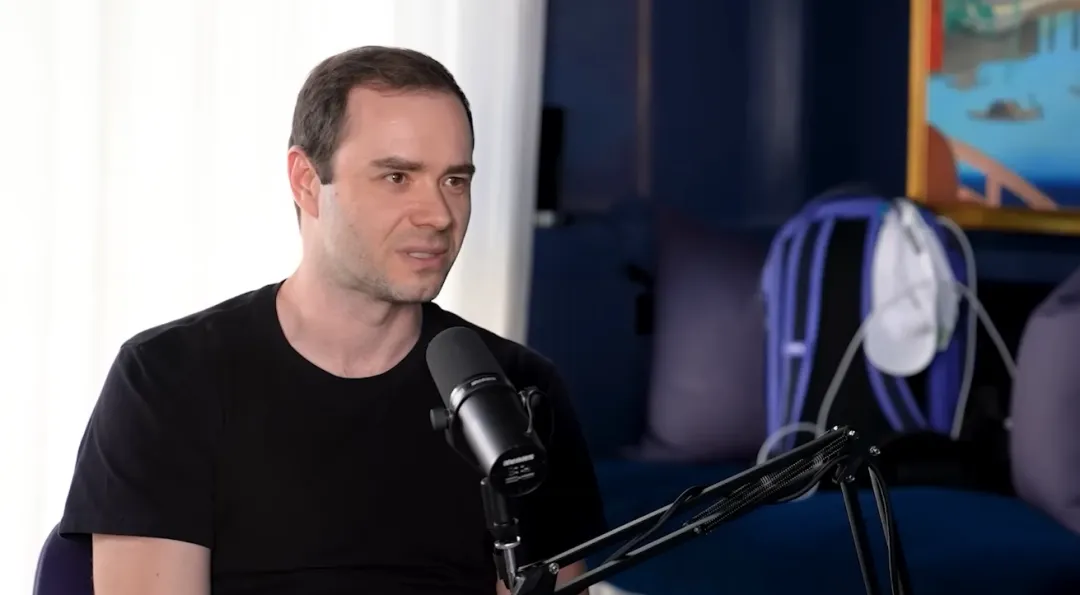
至於"10歲以後神經溝槽就難以再刻"這類說法,更多是社交媒體傳播過程中被加入的修辭,缺乏Karpathy本人或嚴謹神經科學研究的直接支援——兒童大腦確實存在語言、視覺等能力的關鍵發育窗口,但抽象推理能力是否有同樣陡峭的"截止日期",學界並無定論。把一句關於優先順序的教育建議,包裝成"錯過就再也補不回來"的緊迫感,是最容易失真的地方。
這不是唯一的答案
把鏡頭拉遠,會發現教育界對"AI時代該學什麼"的回答遠比"刪掉80%課程"複雜。哈佛"零點計畫"創始成員戴維·珀金斯的觀點提供了另一個角度:大量課程內容之所以被遺忘,恰恰是因為它們從未被真正使用過——這其實與Karpathy的邏輯殊途同歸,都指向"能遷移、能使用的理解",而非知識的堆積本身。
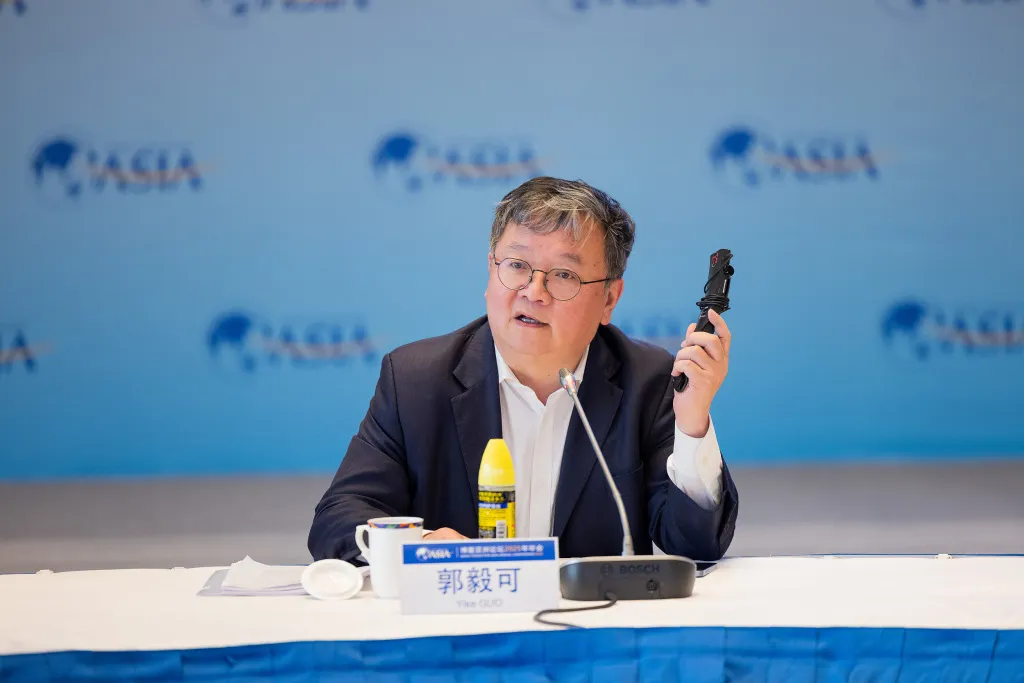
而香港科技大學首席副校長郭毅可則提出了一個更結構性的轉向:教育的重心應該從"學什麼"轉變為"為何學""如何用",也就是從記憶知識轉向理解、批判與創造。香港大學的黃裕舜進一步提醒,AI在提升效率的同時也在加劇不平等、衝擊人際情感,教育因此更需要守住溝通、倫理和人的獨特性——這與"數理化優先"的技術樂觀主義構成了微妙的張力:如果人人都去磨煉同一種"思維溝槽",誰來負責教育中不可被AI替代的那部分?
兩種邏輯其實並不衝突
仔細比較會發現,這些聲音並非互相否定,而是回答了不同層次的問題。數學、物理、電腦科學提供的是"如何思考"的作業系統——抽象、嚴謹、結構化拆解問題的能力,這是Karpathy所說的"底層溝槽"。而批判性思維、創造力、溝通與意義感,回答的是"為什麼思考""思考什麼值得被思考"——這恰恰是作業系統之上運行的應用層。一個孩子如果只有前者而沒有後者,很可能成為一個邏輯精密但缺乏方向感的解題機器;反過來,若只強調後者而忽視前者,批判性思維也容易淪為空轉的口號,缺乏嚴謹性支撐。
寫在最後
Karpathy這番話之所以引發廣泛共鳴,不在於他給出了唯一正確答案,而在於他逼著每一位家長重新審視一個被長期迴避的問題:孩子今天在補習班裡刷的那些題,十年後究竟是在為他積累什麼?也許真正值得記住的,不是"數學物理電腦科學"這六個字本身,而是Karpathy提問的方式——不問"孩子該記住什麼",而問"孩子的大腦該被訓練成什麼形狀"。這才是每個時代的教育都該反覆回到的起點。
Before AGI Knocks: Giving Kids' Schedules Back to Math, Physics, and Code
A father once asked Andrej Karpathy a simple question: if AGI really is coming, what should you teach an eight-year-old? This wasn't a hypothetical exercise — Karpathy is an OpenAI founding member and Tesla's former AI lead, now working full-time on AI-native education. In a recent interview with Dwarkesh Patel, his answer was blunt: math, physics, computer science. Everything else can wait, if it's even still needed.
The reason this line kept getting reposted and amplified across social media is that it touches a widespread anxiety: countless parents are trading their children's childhoods for competition certificates, rankings, and standardized test scores, without ever seriously asking whether any of it will still be worth anything in ten years.
Karpathy's actual reasoning is fairly modest
A closer read of the original interview shows his argument isn't mystical. He says he'd pick math, physics, and computer science largely because those subjects shaped his own way of thinking — they don't train a stockpile of facts, but a way of processing problems: abstraction and rigorous logical chains, an intuition for cause and system, and the ability to break a fuzzy problem into executable steps. His core claim is that, in a pre-AGI world, this "cognitive core" remains scarce and useful; which specific facts to learn, and which can wait, depends on whether they're "useful" or simply "nice to have" — the rest need not be rushed.
As for claims that neural "grooves" become impossible to carve after age ten, that framing is largely rhetorical embellishment added during the post's viral spread, not something directly supported by Karpathy himself or by rigorous neuroscience. Children's brains do have critical developmental windows for things like language and vision, but whether abstract reasoning has an equally sharp cutoff remains unsettled in the research. Turning a priority-setting suggestion into a "miss it and it's gone forever" urgency is where the message is most likely to get distorted.
This isn't the only answer on offer
Zooming out, the broader education field's response to "what should we teach in the AI era" is far more layered than "cut 80% of the curriculum." David Perkins, a founding member of Harvard's Project Zero, offers a related but distinct angle: much of what's taught gets forgotten precisely because it's never actually used — which, in a sense, converges with Karpathy's logic, pointing toward transferable, usable understanding rather than the accumulation of facts for their own sake.
Guo Yike, Provost of the Hong Kong University of Science and Technology, proposes a more structural shift: education's center of gravity should move from "what to learn" to "why learn it" and "how to apply it" — from memorizing knowledge toward understanding, critique, and creation. Ray Huang of the University of Hong Kong adds a further caution: AI boosts efficiency while also deepening inequality and straining human connection, meaning education needs to safeguard communication, ethics, and human distinctiveness even more deliberately. This sits in quiet tension with math-and-science-first technological optimism: if everyone sharpens the same cognitive groove, who's responsible for the part of education that AI can't replace?
The two logics aren't actually at odds
Compared side by side, these voices aren't contradicting each other so much as answering questions at different levels. Math, physics, and computer science supply the operating system of "how to think" — abstraction, rigor, and structured problem decomposition, which is what Karpathy calls the underlying groove. Critical thinking, creativity, communication, and a sense of meaning answer a different question: "why think," and "what's worth thinking about" — the application layer running on top of that operating system. A child with only the former risks becoming a logically precise but directionless problem-solving machine; a child with only the latter risks turning critical thinking into an empty slogan, unsupported by rigor.
A closing thought
What makes Karpathy's remark resonate so widely isn't that it offers the one correct answer, but that it forces every parent to revisit a question too easily avoided: what exactly are the drills piling up in today's cram schools building toward, ten years from now? Perhaps what's worth remembering isn't the specific trio of "math, physics, computer science," but the shape of Karpathy's question itself — not "what should a child memorize," but "what shape should a child's mind be trained into." That's the starting point every era's education should keep returning to.
(AI時代潮)