
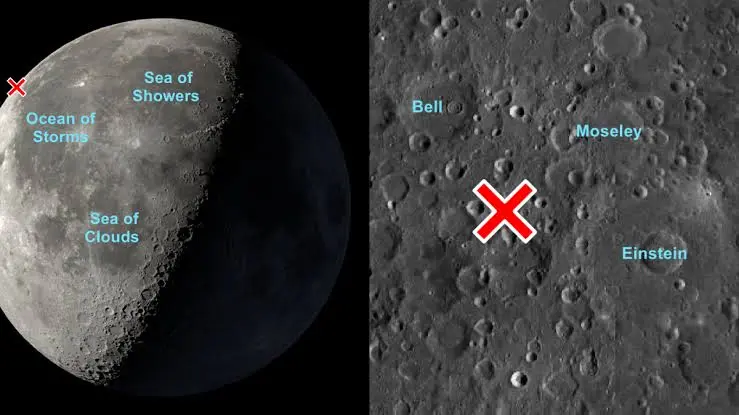
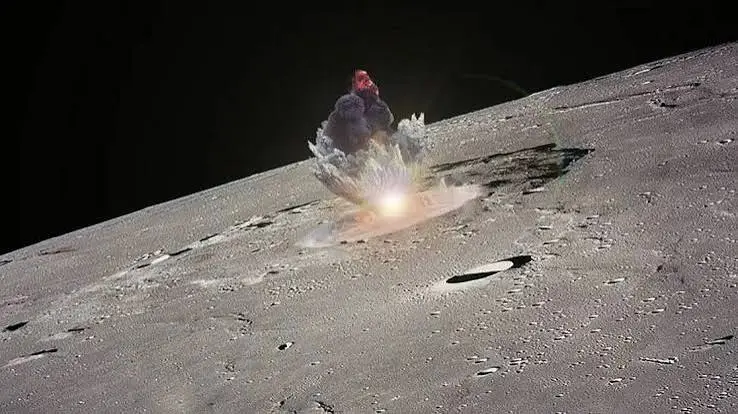
台北時間2026年8月5日14時35分,一枚重達4噸的SpaceX獵鷹9號火箭上面級,將以2.4公里/秒的高速撞上月球西側愛因斯坦隕石坑附近,砸出直徑27米、深5米的人造隕石坑,撞擊能量等同於3噸TNT炸藥爆炸。
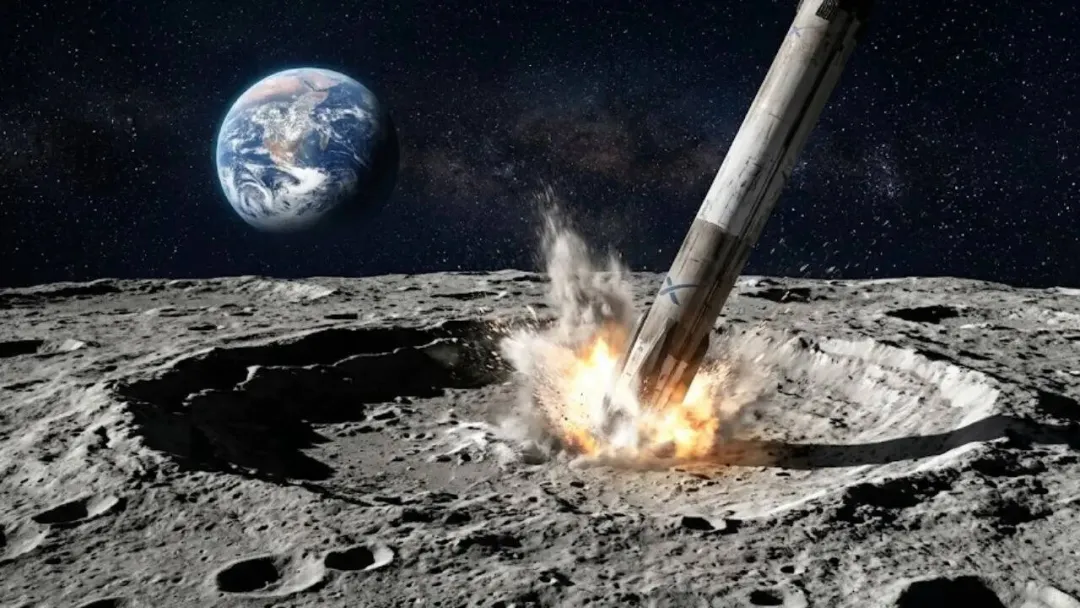
很多人疑惑:火箭殘骸為何會一路衝向月球?這是刻意安排的實驗,還是失控的太空垃圾闖下的“宇宙烏龍”?
整件事的源頭,要追溯到2025年1月的一次商業探月發射。當時這枚獵鷹9號承載日本iSpace、美國螢火蟲航天的兩個月球登陸器奔赴地月轉移軌道,在順利把探測器送入奔月航線後,火箭二級燃料徹底耗盡,失去了所有機動變軌能力。
常規近地軌道火箭殘骸,耗盡燃料後會依靠稀薄大氣阻力減速,最終墜入地球大氣層燃燒銷毀。但奔月任務需要接近第二宇宙速度,這枚殘骸獲得了極高軌道能量,既沒有多餘燃料掉頭返回地球,也無法加速脫離地月系統,只能被困在一條周期26天的狹長橢圓軌道里,在地球與月球之間長久漂流,淪為不受控制的巨型太空垃圾。
真正推著它一步步撞向月球的,是三種看不見的宇宙力量。
首先是地球與月球的雙重引力拉扯,每次殘骸繞行至軌道遠地點,都會近距離掠過月球,引力持續輕微拉扯、偏移它的運行路線。
其次是太陽光壓,真空環境中光子長年累月持續撞擊箭體外殼,一點點改變軌道傾角。
第三是經年累月的微小擾動不斷疊加,讓它的軌道最終與月球表面交匯,這場撞擊從一開始就註定無法避免,SpaceX官方也證實這完全是意外,並非人為策劃的實驗。
有人會問,月球常年遭受隕石撞擊,多一塊火箭殘骸撞擊有什麼特殊意義?
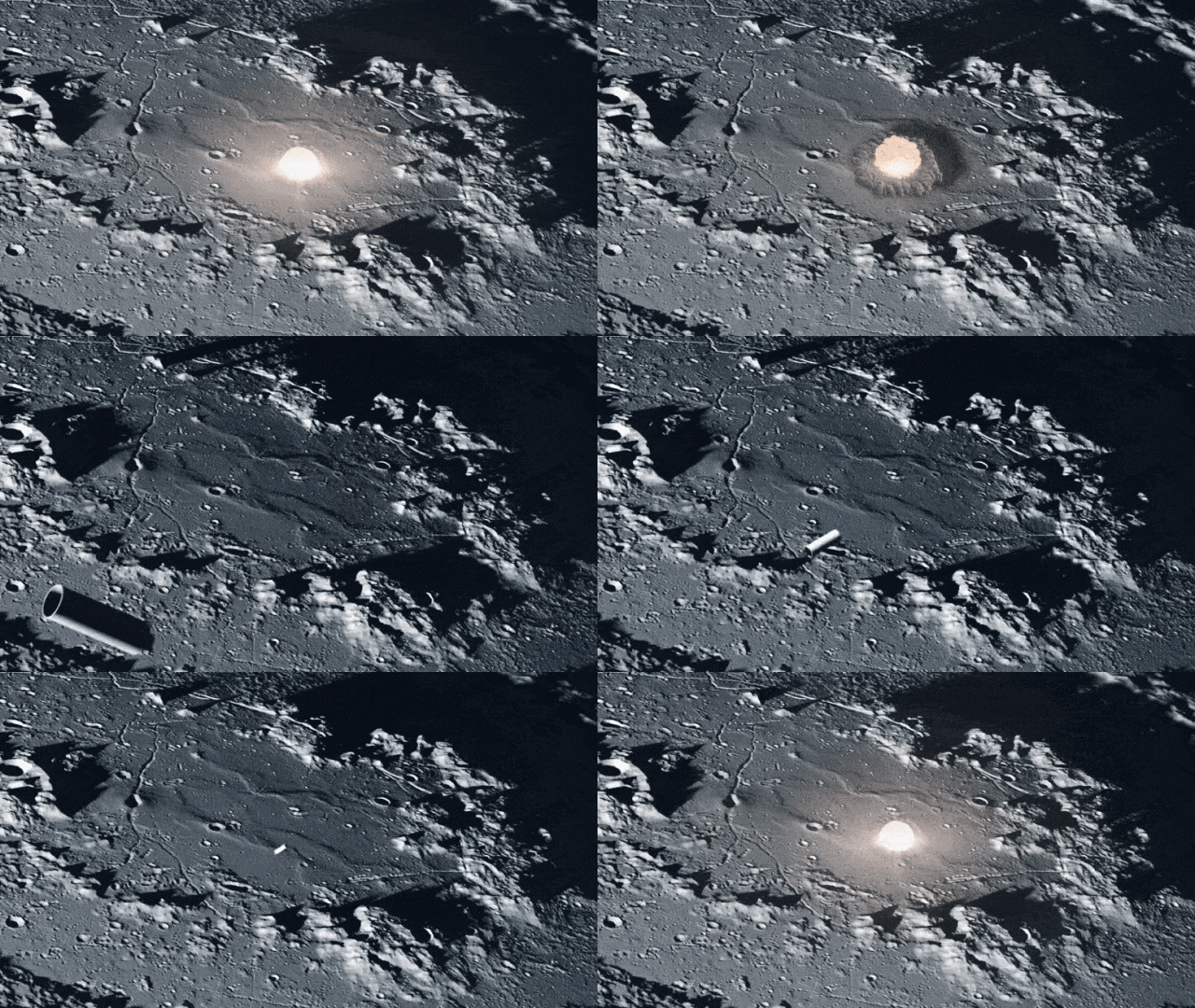
恰恰因為它是參數完全已知的人造撞擊體,這場意外反而變成千載難逢的天然科學實驗。天然隕石大小、速度、成分全是未知數,而這枚殘骸長12米、重4噸、撞擊速度、角度精確可測,科學家可以提前搭建物理模型,精準預判撞擊效果。
撞擊發生後,月壤、地下岩層會被高速衝擊掀飛,形成最高近百公里的塵埃碎片雲。NASA月球勘測軌道飛行器、韓國月球軌道器已經就位,將全程拍攝撞擊坑與噴射物擴散全過程。通過對比撞擊前後月表地貌、分析拋射月塵的成分,科研人員能直觀摸清高速撞擊對月壤、地下岩層的破壞規律,測算尖銳月塵的噴射範圍與飛行距離。
這些資料對當下火熱的載人登月計畫至關重要。NASA阿耳忒彌斯項目正籌備月球永久基地,未來登月艙、居住艙、航天員都要直面月表撞擊風險。
本次撞擊的觀測結果,能直接用來完善月面設施防護設計,提前規避高速拋射碎石損毀裝置、劃傷宇航服的隱患,相當於在人類重返月球前,完成了一次低成本的實地撞擊安全測試。
從環境角度來看,這次撞擊對月球整體影響微乎其微。據測算,每年約1000噸天然隕石持續撞擊月面,相比之下4噸火箭殘骸的體量微不足道;月球沒有大氣層,不存在空氣污染,僅會在局部區域留下人造撞擊坑與少量金屬碎屑,不會改變月球原生地質環境。但這件事也敲響了深空太空垃圾治理的警鐘。
如今商業探月、深空發射任務逐年激增,越來越多廢棄火箭、探測器滯留地月空間。近地軌道已有成熟的殘骸銷毀規範,可地月深空缺少統一處置標準,大量失控航天器會在地月引力作用下長期漂泊,未來可能頻繁撞擊月球,甚至威脅在軌月球探測器安全。業內專家呼籲,未來深空發射任務需預留足量燃料,用於任務結束後主動受控處置,從源頭減少深空太空垃圾。
一塊漂泊18個月的火箭殘骸,一次無心插柳的月球撞擊,藏著軌道力學、月球地質、航天治理三重啟示。它既是宇宙引力帶來的偶然奇觀,也是人類邁向月球時代的一塊警示碑:我們探索深空的腳步越快,越要學會妥善處理留在宇宙中的“廢棄物”,才能讓月球成為安全、可持續的人類新家園。
Why SpaceX Rocket Debris Is Bound to Crash Into the Moon
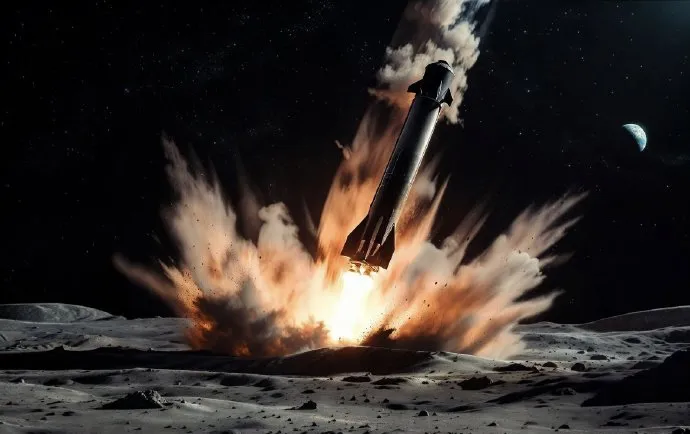
At 14:35 on August 5, 2026 (Beijing Time), the upper stage of a 4‑tonne SpaceX Falcon 9 rocket slammed into the vicinity of Einstein Crater on the western side of the Moon at a speed of 2.4 kilometres per second. The collision carved out an artificial crater roughly 27 metres wide and 5 metres deep, releasing explosive energy equivalent to 3 tonnes of TNT. Many people wonder: why is this discarded rocket debris heading straight for the lunar surface? Is it a carefully planned scientific experiment, or an unplanned cosmic accident caused by drifting space junk?
The story traces back to a commercial lunar launch in January 2025. This Falcon 9 rocket carried two lunar landers built by Japan’s iSpace and American Firefly Aerospace toward the trans‑lunar injection trajectory. After successfully dispatching the probes onto their course for the Moon, the second stage exhausted all its propellant completely, losing the ability to perform orbital manoeuvres.
Debris in low Earth orbit usually slows down gradually against thin atmospheric drag and eventually burns up upon re‑entering Earth’s atmosphere. However, missions bound for the Moon require velocity approaching Earth’s escape velocity. This piece of debris gained immense orbital energy. It had no leftover fuel to reverse course back toward Earth, nor enough thrust to escape the Earth‑Moon system. Trapped in a long, narrow elliptical orbit with a 26‑day cycle, it drifted endlessly between Earth and the Moon, turning into uncontrolled large‑scale space debris.
Three invisible cosmic forces slowly steered it toward lunar impact. First, competing gravitational pulls from Earth and the Moon tugged the craft slightly every time it passed near the Moon, continuously shifting its flight path. Second, solar radiation pressure exerted steady force from photons striking the rocket hull, tilting its orbital inclination bit by bit. These tiny cumulative perturbations aligned its trajectory with the lunar surface, making the collision inevitable from the start. SpaceX officially confirmed that the crash was entirely accidental, rather than a deliberate scheme.
The Moon is bombarded by natural meteorites every single day, so readers may question the value of observing this artificial collision. Unlike meteorites with unknown mass, speed and composition, this rocket stage is a fully characterised man‑made impactor with precise known parameters. NASA’s Lunar Reconnaissance Orbiter and South Korea’s lunar spacecraft have been positioned to record the whole event.
Scientists will analyse ejected lunar dust and debris clouds spreading nearly a hundred kilometres high after impact. By studying the crater structure and scattered ejecta, researchers can build accurate models describing how high‑speed impacts disturb regolith and shallow lunar bedrock.
Such data carries immense practical value for NASA’s Artemis programme preparing crewed landings and permanent lunar bases. Findings will guide protective designs for lunar habitats, landing craft and spacesuits, preventing flying rock fragments from damaging vital equipment or injuring astronauts. This unintended crash acts as a low‑cost real‑world safety test ahead of humanity’s large‑scale return to the Moon.
Ecologically speaking, the collision barely disturbs the lunar environment. Roughly 1,000 tonnes of natural meteorite material strikes the Moon annually; a 4‑tonne rocket fragment is negligible in comparison. With no lunar atmosphere, there is no air pollution, leaving only local metal scraps and a small artificial crater.
Even so, this incident sounds the alarm for deep‑space debris governance. As commercial lunar exploration booms, abandoned rockets and idle probes keep accumulating across cislunar space. Clear international regulations for disposing of deep‑space spacecraft have yet to be established. Experts advise future deep‑space missions to reserve surplus fuel for controlled deorbiting, stopping drifting junk at the source.
This lonely piece of rocket wreckage drifting for eighteen months illustrates orbital mechanics, lunar geology and the urgent need for space governance. It is a random product of cosmic gravity, yet also a reminder: the faster humanity expands deep‑space exploration, the more responsibly we must handle our cosmic waste to build safe, sustainable outposts on the Moon.
(AI時代潮)