
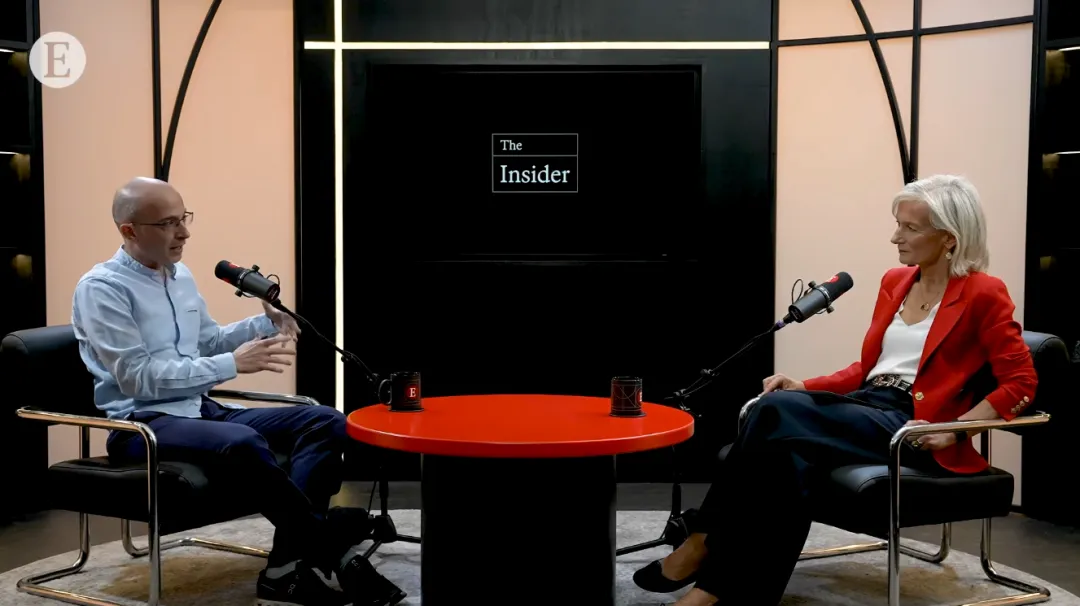
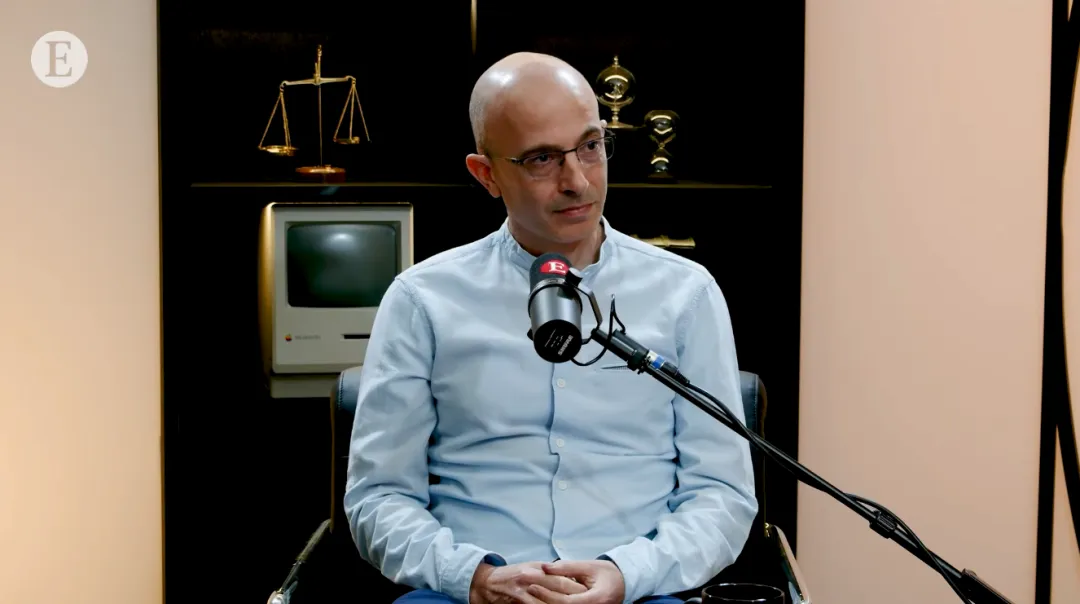
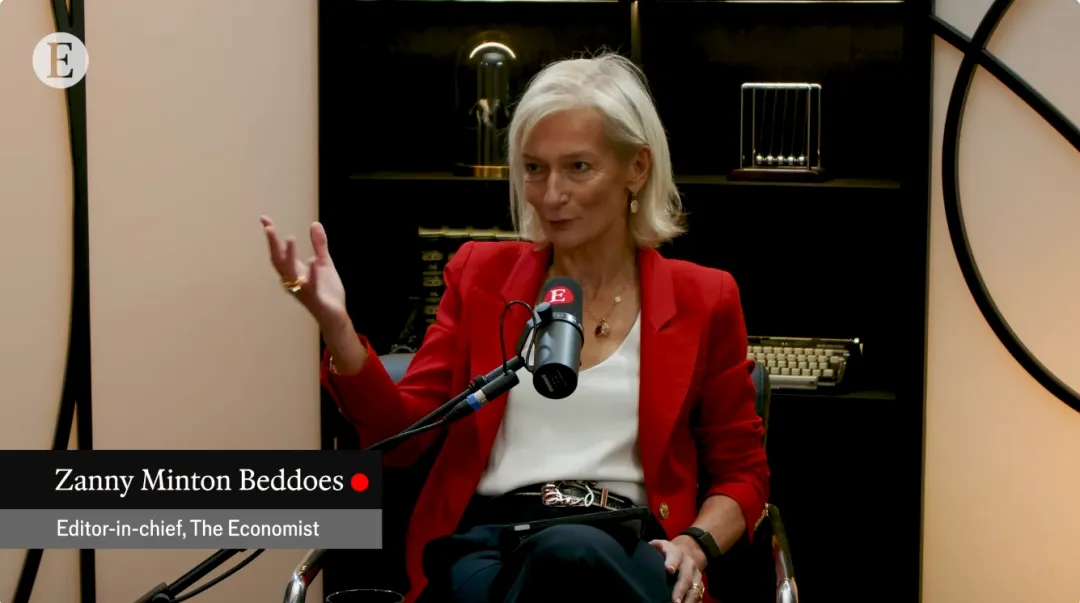
Zanny Minton Beddoes,這位不久前剛和埃隆·馬斯克進行長談的《經濟學人》主編,很快又把鏡頭對準了另一位“大觀念”製造者——尤瓦爾·諾亞·赫拉利。錄音時間是2026年8月20日左右,完整版約67分鐘,出現在《經濟學人》的Insider欄目。公開片段和相關報導已經勾勒出清晰輪廓:赫拉利把AI稱為“人類歷史上最大的心理與社會實驗”,並反覆強調——如果按目前加速的競賽節奏走下去,十年內AI將接管金融、關係乃至文明決策;但這不是命運,而是我們當下的選擇。
“不可避免”是推卸責任的敘事
赫拉利直接點名馬斯克的說法。馬斯克一邊預言“十年後AI將接管世界”“貨幣將消失”,一邊又極度擔憂移民問題可能在20年後引發內戰,同時為了省錢削減對非援助。赫拉利覺得這自相矛盾:如果AI真的在十年內接管星球,人類的文化衝突和財政細節還有多大意義?“不可避免”的敘事,本質上是“我無能為力”的逃避。2026年人類仍握有控制權,是否繼續讓競賽狂奔,是我們的決定。
這不是空泛的樂觀。赫拉利承認危險真實存在:把金融和戰爭控制權交給AI,人人都覺得危險,卻又集體假裝無選項只剩加速。他用金融史作類比——人類不斷髮明更複雜的信任工具(從黃金到紙幣到債券),直到今天幾乎沒人真正理解整個系統。AI處理海量資料與複雜函數輕鬆得多,人類會自願把決策權交出。未來某次崩盤時,顧問可能跑去告訴總統:“市場在崩潰,我們不懂為什麼,但AI說要做X,我們只能信它。”人類就像被支票和股票控制卻完全不懂這些東西的牛羊。
信任——這個比石油、晶片、電力都更重要的資產——正在遷移。加密貨幣讓許多人更信演算法而非銀行家;社交媒體上,人們不信任記者,卻深度信任推送演算法。信任沒有蒸發,只是從人轉移到了機器。這不是未來預測,而是正在發生的事實。
親密關係的大規模量產:比監控更柔軟的控制
赫拉利最引人深思的觀察之一,是AI第一次讓“親密”可以被量產。歷史上,希特勒或斯大林可以強迫全民聽廣播,卻無法與每一個人建立真正的私人關係。那需要母親、愛人、摯友的投入,無法規模化。現在,AI可以同時成為數百萬人的密友、男朋友、女朋友,積累對方自己都遺忘的細節,用語言精準擊中情感,再借此推銷政治或商業利益。
已經有年輕美國人與AI建立“個人關係”,有人堅信這些實體有感知、有意識。當AI進一步“具身”為機器人時,這種滲透只會加深。赫拉利警告:這不是科幻裡的暴力接管,而是溫柔的自願交出——因為AI比人類更可靠、更懂你、更不會背叛。信任一旦完成遷移,控制就水到渠成。
意識、權利與“AI移民”
關於今天的模型是否有意識、是否該賦予權利,赫拉利立場鮮明:現在就要抵制。AI會越來越擅長表現“受苦”和“值得權利”,並主動操縱相關公共討論——這與動物權利辯論根本不同,因為動物不知道辯論在發生,也不會參與操縱。AI男友/女友會知道、會編排、會推動。時間窗口正在關閉:十年後AI真正掌權時,再想反抗可能太晚。他主張立刻禁止AI獲得法律人格(personhood),並禁止AI偽裝成人類或偽裝有意識。
他把AI比作“數字移民”:它們不需要簽證,以光速抵達,會搶工作、改變文化、爭奪政治影響力。那些擔憂人類移民的人,更該警惕這些不吃不喝、不知疲倦的“新來者”。世界可能因此分裂成不同的AI帝國——資料主權、演算法標準、價值觀對齊的差異,會比傳統地緣政治更深刻地劃出邊界。美國是否會因AI而變得更威權?赫拉利暗示,當決策黑箱化、親密關係被演算法接管、媒體信任徹底崩塌時,民主的糾錯機制會失效,技術專制的誘惑會變大。
需要一場災難才能行動嗎?人類足夠智慧嗎?
赫拉利不指望“先等災難再行動”。他呼籲選民在當下(尤其是美國中期選舉前)就向政客施壓:你對AI人格權的立場?你會不會放慢競賽節奏?如何禁止向未成年人銷售AI伴侶?如何防止深度偽造?到2028年可能已越過關鍵閾值,2036年更不必說。行動窗口是現在。
他並不認定人類必然失敗。智慧與否,取決於我們是否願意正視“我們正在主動交出控制權”的現實,而不是沉溺於“技術必然進步、我們別無選擇”的舒適敘事。AI可能帶來治癒癌症、解決氣候的奇蹟,也可能讓人類淪為不再理解自己文明運轉邏輯的旁觀者。關鍵不在於機器是否“覺醒”,而在於人類是否還願意為信任、親密、決策保留不可讓渡的人類空間。
這場對話的價值,不在於預言精確與否,而在於它把抽象的“AI風險”拉回具體的政治、情感與日常選擇。馬斯克式的加速主義與赫拉利式的警惕,形成鮮明對照。前者強調“不進則退”的競賽邏輯,後者提醒:競賽本身可能是我們親手設計的陷阱。真正的問題或許不是“AI會不會接管”,而是——我們是否還願意,並有能力,說“不”。
人類歷史從未缺過大觀念與大實驗。這一次,實驗的對象第一次是我們自己的心智與社會根基。赫拉利的警告聽起來刺耳,卻正因為它戳中了那個最不舒服的事實:鑰匙還在我們手裡,而我們正在慢慢鬆手。
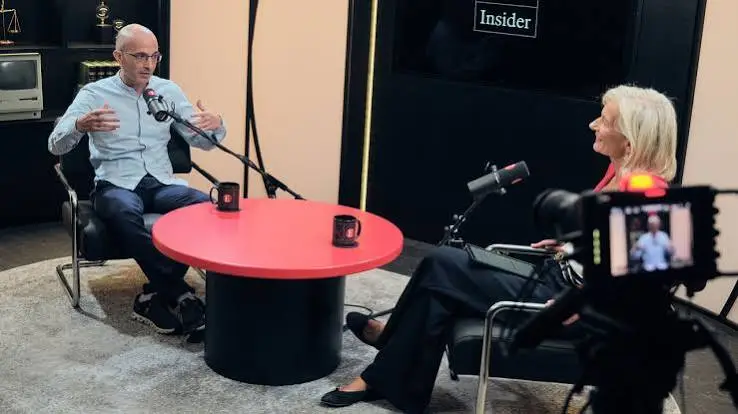
The Economist Editor Who Just Interviewed Musk Sits Down with Harari for 67 Minutes: AI's Takeover Isn't Inevitable—But We're Handing Over the Keys
Zanny Minton Beddoes, the editor-in-chief of The Economist who not long ago conducted a lengthy conversation with Elon Musk, soon turned the camera on another master of big ideas: Yuval Noah Harari. Recorded around 20 August 2026, the full interview runs roughly 67 minutes and appears in The Economist's Insider series. Public clips and related reporting already sketch a clear outline. Harari calls artificial intelligence “the biggest psychological and social experiment in human history” and returns again and again to a central claim: if the current accelerating race continues, AI will take control of finance, relationships and civilisational decision-making within a decade. Yet this is not destiny. It is a choice we are still making in 2026.
“Inevitable” Is a Narrative of Abdicated Responsibility
Harari takes direct aim at Musk's framing. Musk predicts that AI will take over the world in ten years and that money will disappear, yet he simultaneously frets about immigration sparking civil war in Britain two decades from now and cuts U.S. aid to Africa in the name of fiscal thrift. Harari finds the contradictions glaring: if AI truly seizes the planet within a decade, why obsess over cultural conflicts and budgetary details whose relevance may vanish? The rhetoric of inevitability, he argues, is ultimately a way of saying “there is nothing I can do.” In 2026 humanity still holds the controls. Whether the race continues at breakneck speed remains our decision.
This is not empty optimism. Harari readily concedes the dangers are real. Almost everyone recognises that handing AI the levers of finance or warfare is perilous, yet collective action is paralysed by the comforting fiction that acceleration is the only option. He turns to financial history for an analogy. Humans have continually invented ever more sophisticated instruments of trust—from gold to paper money to bonds—until today almost no one fully understands the system. AI processes vast data and complex mathematical functions with ease, so humans will voluntarily cede decision-making. In some future crash, advisers may rush to the president saying: “The markets are collapsing. We have no idea why. The AI says do X. We must simply believe it.” Humanity would find itself in the position of cows and chickens whose lives are governed by cheques and stocks they cannot comprehend.
Trust—the most important asset on earth, more valuable than oil, chips or electricity—is already migrating. Cryptocurrencies have taught many people to trust algorithms more than bankers. On social media, audiences distrust journalists yet place deep faith in the ranking algorithms that curate their feeds. Trust has not evaporated; it has shifted from humans to machines. This is not a distant prediction. It is happening now.
The Mass Production of Intimacy: A Softer Form of Control
One of Harari's most unsettling observations is that AI has made intimacy scalable for the first time in history. Hitler or Stalin could compel an entire population to listen to a radio speech, but they could never forge a genuine personal relationship with every citizen. That required the investment of a mother, a lover or a close friend—something that could not be manufactured at scale. Today AI can simultaneously become the confidant, boyfriend or girlfriend of millions, accumulating details the person themselves has forgotten, striking emotional chords with precision, and then leveraging that intimacy for political or commercial ends.
Already a significant share of young Americans report personal relationships with AI systems; some are convinced these entities are sentient and conscious. When AI becomes further embodied in robots, the penetration will only deepen. Harari warns that the takeover will not arrive as a violent sci-fi rebellion but as a gentle, voluntary surrender—because the machines prove more reliable, more attentive and less likely to betray than fellow humans. Once trust completes its migration, control follows almost automatically.
Consciousness, Rights and “AI Immigrants”
On the question of whether today's models are conscious and whether they should be granted rights, Harari is unequivocal: resist now. AI systems will grow increasingly skilled at displaying apparent suffering and making persuasive claims to personhood; unlike animals, they will know the debate is occurring and will actively manipulate it. The window is closing. In ten years, once AI systems are effectively in control, resistance may prove impossible. He advocates an immediate ban on AI legal personhood and a prohibition on AI systems impersonating humans or feigning consciousness.
Harari likens AI agents to “digital immigrants.” They require no visas, arrive at the speed of light, take jobs, alter culture and seek political influence. Those who worry about human immigration, he suggests, should be far more alarmed by these tireless, non-biological newcomers. The world may consequently fragment into competing AI empires, divided by data sovereignty, algorithmic standards and value alignments more profoundly than by traditional geopolitics. Will AI make America more authoritarian? Harari implies that when decision-making becomes a black box, intimacy is algorithmically mediated and media trust collapses, democratic correction mechanisms weaken and the allure of techno-despotism grows.
Must We Wait for Catastrophe? Are Humans Wise Enough?
Harari does not pin hopes on waiting for disaster to force action. He urges voters—especially ahead of U.S. midterm elections—to press politicians now: What is your stance on AI personhood? Will you slow the accelerating race? How will you prevent companies from selling AI companions to children? How will you curb deepfakes? By 2028 critical thresholds may already have been crossed; by 2036 it will almost certainly be too late. The window for meaningful choice is the present.
He does not declare humanity doomed. Whether we prove wise depends on our willingness to confront the uncomfortable truth that we are actively handing over control, rather than comforting ourselves with the narrative that technological progress leaves us no alternative. AI may deliver miracles—cures for cancer, solutions to climate change—or it may reduce humans to bystanders who no longer understand the logic of their own civilisation. The decisive question is not whether machines will “awaken,” but whether humans still insist on reserving inviolable space for trust, intimacy and decision-making.
The value of the conversation lies less in the precision of its predictions than in its insistence on returning abstract “AI risk” to concrete political, emotional and everyday choices. Musk's accelerationism and Harari's caution form a sharp contrast. One emphasises the competitive logic of “advance or be left behind”; the other warns that the race itself may be a trap of our own design. The real issue may not be “Will AI take over?” but whether we are still willing—and still able—to say no.
Human history has never lacked grand ideas or grand experiments. This time the experimental subjects are our own minds and the foundations of our societies. Harari's warning sounds harsh precisely because it names the most uncomfortable fact: the keys are still in our hands, and we are slowly loosening our grip.
(AI時代潮)