
AMD-OpenAI協議鞏固AI硬體論述,強化台股加權指數(TAIEX)表現,而美股大盤則因關門疑慮步履蹣跚
Joe 盧, CFA | 2025年10月7日 美東時間
摘要
- 特定於人工智慧(AI)的增長論述,正推升科技股與台股加權指數(TAIEX),其力道壓過了因美國政府關門而引發的避險情緒。
- 在普遍的賣壓下,美股收低;與此同時,半導體產業則因超微半導體(AMD)與OpenAI的協議而展現實力,預示著AI硬體受惠者的強勁動能。
- 美國公債殖利率下滑,因資金尋求避險,並預先反映聯準會將進一步寬鬆以對抗政治僵局帶來的經濟逆風。
- 主要的經濟變數仍是政府關門,其對GDP增長的拖累,現正直接影響市場對聯準會將採取更寬鬆政策的預期。
- 政治失能是關鍵的宏觀驅動因素,長達一週的美國政府關門製造了國內的不確定性,而歐洲的政治不穩定則為謹慎的全球背景增添了更多變數。
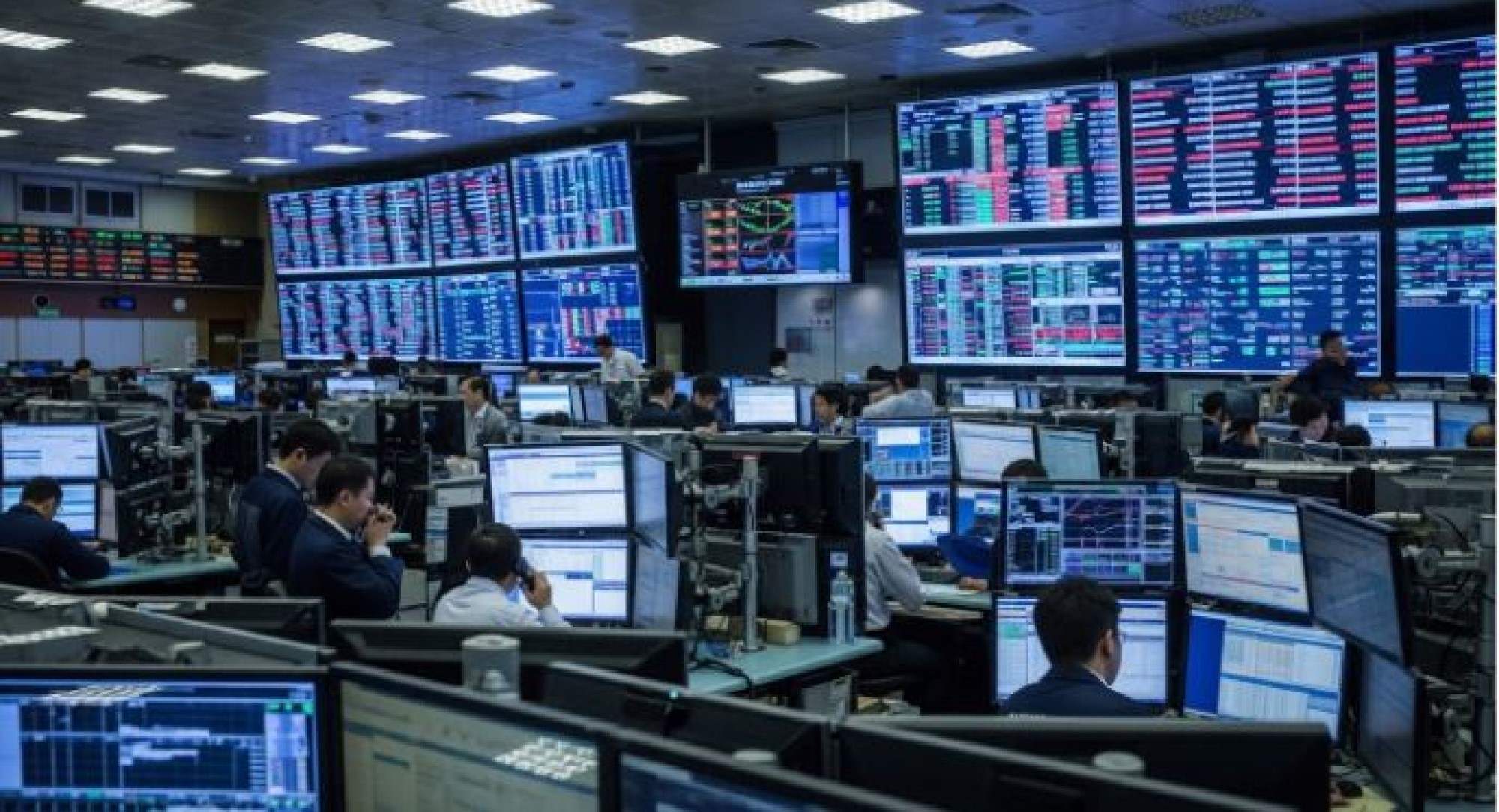
市場正運行在兩條截然不同的軌道上。前瞻性的論述是人工智慧(AI)硬體的超級週期,此論述從OpenAI與超微半導體(AMD)的供應協議中,獲得了重要的驗證。這與更廣泛的美股市場中由週期性、宏觀因素驅動的疲弱形成對比,後者正對已進入第七天的政府關門所帶來的經濟拖累與政治不確定性做出反應。對全球投資組合而言,AI題材仍然是資本流向的主要決定因素,而台灣則處於核心受惠者的地位。
在美國,市場走勢反映了避險姿態,股市普遍收低。如消費必需品和公用事業等防禦性類股展現了相對強勢,而公債殖利率則在投資者為避險及聯準會更高降息機率進行定價之際下滑。政府關門並非舉無輕重的事件,歷史數據顯示,關門每持續一週,將對季度GDP造成0.1%至0.2%的拖累。此一放緩,強化了市場對於聯準會將繼續其寬鬆週期的預期,此一看法比聯準會自身的預測更為鴿派。然而,經濟增長放緩、利率下降的宏觀環境,正被特定產業的催化劑所掩蓋。
超微半導體(AMD)同意向OpenAI供應大量晶片的協議,是一個結構性的轉折點。該交易鞏固了對先進運算能力的長期需求,並預示著AI基礎建設的加速。此一長期趨勢直接流向台灣的供應鏈,主要受惠者為台積電(TSMC)。有關其加速2奈米晶圓廠擴建以及計劃在2026年對先進製程進行定價調整的報導,鞏固了其核心角色。這解釋了台股加權指數(TAIEX)的正向動能、台達電與聯發科等個股的強勢,以及外資的大量淨買超。
展望下一個交易日,預期這些對比鮮明的主題將持續。美國政府關門提供了一個謹慎的背景。然而,AI相關股票的動能是結構性的,並已展現出其韌性。對台灣市場而言,技術指標為正向。投資組合的核心考量,應是在整個AI與先進半導體生態系統中的領導者之間進行配置,因為此一長期趨勢將持續主導市場方向,凌駕於週期性逆風之上。
週二資產焦點:區域指數與台股趨勢
今日的分析揭示了廣泛的區域性強勢與台灣頂尖企業內部集中疲弱之間的顯著分歧。儘管亞洲主要股市指數呈現正向或改善的趨勢,台灣一家關鍵的半導體公司——聯發科(MediaTek Inc)——卻展現出顯著且持續的負向趨勢,預示著儘管整體市場健康,該個股仍存在明確風險。
圖表一:區域股市指數(美元計價)
- 台灣(代表性ETF: EWT): 當前: ▲▲, 上週: ▲▲
- 香港(代表性ETF: EWH): 當前: ▲, 上週: ▲▲
- 新加坡(代表性ETF: EWS): 當前: ▲▲, 上週: ▲
- 日本(代表性ETF: EWJ): 當前: ▲▲, 上週: ▲
- 南韓(代表性ETF: EWY): 當前: ▲▲, 上週: ▲▲
區域股市表現雖有好有壞,但大致為正向。台灣和南韓的趨勢維持穩定且強烈正向。新加坡和日本則出現明顯改善,兩者的趨勢均升級為強烈正向。唯一的減速訊號來自香港,其趨勢從強烈正向惡化為正向,顯示動能略有流失。
圖表二:台灣排名前五大企業(新台幣計價)
- 台積電(Taiwan Semiconductor Manufacturing Co Ltd, 2330): 當前: ▲▲, 上週: ▲▲
- 鴻海精密(Hon Hai Precision Industry Co Ltd, 2317): 當前: ▲▲, 上週: ▲▲
- 聯發科(MediaTek Inc, 2454): 當前: ▼▼, 上週: ▼▼
- 廣達電腦(Quanta Computer Inc, 2382): 當前: ▲▲, 上週: ▲
- 台達電子(Delta Electronics Inc, 2308): 當前: ▲▲, 上週: ▲▲
台灣龍頭企業的表現呈現兩極分化。台積電(Taiwan Semiconductor Manufacturing Co Ltd)、鴻海精密(Hon Hai Precision Industry Co Ltd)和台達電子(Delta Electronics Inc)均維持其強烈正向趨勢,顯示其持續的領導地位。廣達電腦(Quanta Computer Inc)則表現顯著改善,其趨勢從正向升級為強烈正向。形成鮮明對比的是,聯發科(MediaTek Inc)仍然是一個顯著的弱點,維持其強烈負向趨-勢,預示著持續性的風險。
👍若您覺得這份研究有價值,請對本文按讚。
📲加入並追蹤鉅亨號,與我們互動,即可獲取更多趨勢指標和市場資訊。
📰追蹤此部落格。
💬LINE好友。
➡️將此分析分享給您的親朋好友,一同獲取最新投資觀點。
本電子報僅供參考,不構成任何證券或資產類別的投資建議或買賣推薦。文中所表達的觀點為作者截至發布日期的觀點,如有變動,恕不另行通知。所呈現的資訊乃基於從相信可靠的來源所獲取的數據,但其準確性、完整性和及時性不作保證。過往表現並非未來結果的指標。投資涉及風險,包括可能損失本金。讀者在做出任何投資決策前,應諮詢其財務顧問。作者及相關實體可能持有本文所討論的資產或資產類別的部位。
AI Supercycle Accelerates Past U.S. Political Drag
The AMD-OpenAI agreement reinforces the AI hardware thesis, strengthening the TAIEX while broader U.S. markets falter on shutdown concerns.
By Joe 盧, CFA | October 7, 2025
Executive Summary
- The AI-specific growth narrative propels technology shares and the TAIEX, overriding risk-off sentiment from the U.S. government shutdown.
- U.S. equities closed lower amid broad-based selling, while the semiconductor sector showed strength on the AMD-OpenAI agreement, signaling strong momentum for AI hardware beneficiaries.
- U.S. Treasury yields declined as capital sought safety and priced in further Federal Reserve easing to counter the economic headwinds from political gridlock.
- The primary economic variable remains the government shutdown, with its drag on GDP growth now directly influencing expectations for a more accommodative Fed policy.
- Political dysfunction is the key macro driver, with the week-long U.S. shutdown creating domestic uncertainty while European political instability adds to the cautious global backdrop.
The market is operating on two distinct tracks. The forward-looking narrative is the AI hardware supercycle, which received significant validation from the OpenAI-AMD supply agreement. This contrasts with the cyclical, macro-driven weakness in the broader U.S. market, which is reacting to the economic drag and political uncertainty of a government shutdown now in its seventh day. For your global portfolio, the AI theme remains a primary determinant of capital flows, with Taiwan positioned as a central beneficiary.
In the U.S., market action reflected a risk-off posture. Equities finished broadly lower. Defensive sectors like consumer staples and utilities showed relative strength, while bond yields fell as investors priced in a flight to safety and a higher probability of Fed rate cuts. The shutdown is not a trivial event. Historical data indicates a drag of 0.1% to 0.2% on quarterly GDP for each week it persists. This slowdown reinforces the market's expectation for the Fed to continue its easing cycle, a view more dovish than the Fed's own projections. This macro environment of slowing growth and falling rates is being overshadowed by sector-specific catalysts.
The AMD agreement to supply OpenAI with a high volume of chips is a structural inflection point. The deal solidifies long-term demand for advanced computing power and signals an acceleration in the AI build-out. This secular trend flows directly to the Taiwanese supply chain, primarily TSMC. Reports of its accelerated 2nm fab expansion and planned pricing changes for advanced nodes in 2026 cement its role. This explains the positive momentum in the TAIEX, the strength in names like Delta and MediaTek, and the substantial net buying from foreign investors.
The outlook for the trading day ahead suggests a continuation of these contrasting themes. The U.S. shutdown provides a cautionary backdrop. The momentum in AI-related equities is structural and has demonstrated resilience. For the Taiwan market, technical indicators are positive. A core consideration for your portfolio is an allocation to leaders across the AI and advanced semiconductor ecosystem, as this secular trend continues to dictate market direction over cyclical headwinds.
Tuesday Asset Focus: Regional Indices & Taiwanese Stock Trends
Today's analysis reveals a notable divergence between broad regional strength and concentrated weakness within Taiwan's top companies. While major Asian equity indices are showing positive or improving trends, a key semiconductor firm in Taiwan, MediaTek Inc, is exhibiting a significant and persistent negative trend, signaling a clear risk for that specific name despite broader market health.
Exhibit 1: Regional Equity Indices (in USD)
- Taiwan (Proxy ETF: EWT): Current: ▲▲, Last Week: ▲▲
- Hong Kong (Proxy ETF: EWH): Current: ▲, Last Week: ▲▲
- Singapore (Proxy ETF: EWS): Current: ▲▲, Last Week: ▲
- Japan (Proxy ETF: EWJ): Current: ▲▲, Last Week: ▲
- South Korea (Proxy ETF: EWY): Current: ▲▲, Last Week: ▲▲
Regional equity performance is largely positive, though mixed. The trend for Taiwan and South Korea remained stable and strongly positive. A clear improvement is visible in Singapore and Japan, with both upgrading their trends to strongly positive. The only signal of deceleration comes from Hong Kong, where the trend deteriorated from strongly positive to positive, indicating a slight loss of momentum.
Exhibit 2: Top 5 Taiwanese Companies (in TWD)
- Taiwan Semiconductor Manufacturing Co Ltd (Ticker: 2330): Current: ▲▲, Last Week: ▲▲
- Hon Hai Precision Industry Co Ltd (Ticker: 2317): Current: ▲▲, Last Week: ▲▲
- MediaTek Inc (Ticker: 2454): Current: ▼▼, Last Week: ▼▼
- Quanta Computer Inc (Ticker: 2382): Current: ▲▲, Last Week: ▲
- Delta Electronics Inc (Ticker: 2308): Current: ▲▲, Last Week: ▲▲
Performance among Taiwan's leading companies is polarized. Taiwan Semiconductor Manufacturing Co Ltd, Hon Hai Precision Industry Co Ltd, and Delta Electronics Inc all maintained their strongly positive trends, indicating sustained leadership. Quanta Computer Inc showed significant improvement, with its trend upgrading from positive to strongly positive. In stark contrast, MediaTek Inc remains a point of significant weakness, holding its strongly negative trend and signaling persistent risk.
👍'Like' this article if you found this research valuable.
📲 Join our private channels to get more trend indicators and market information delivered directly to you. Choose your preferred channel to stay informed.
➡️Share this analysis to someone in your network who appreciates a data-driven perspective.
This newsletter is provided for informational purposes only and does not constitute investment advice or a recommendation to buy or sell any security or asset class. The views expressed are those of the author as of the date of publication and are subject to change without notice. Information presented is based on data obtained from sources believed to be reliable, but its accuracy, completeness, and timeliness are not guaranteed. Past performance is not indicative of future results. Investing involves risks, including the possible loss of principal. Readers should consult with their own financial advisors before making any investment decisions. The author and associated entities may hold positions in the assets or asset classes discussed herein.
立即加入《Joe’s 華爾街脈動》LINE@官方帳號,獲得最新專欄資訊(點此加入)
關於《Joe’s 華爾街脈動》
鉅亨網特別邀請到擁有逾 22 年美國投資圈資歷、CFA 認證的機構操盤人 Joseph Lu 擔任專欄主筆。
Joe 為台裔美國人,曾管理超過百億美元規模的基金資產,並為總資產高達數千億美元的多家頂級金融機構提供資產配置優化建議。
Joe 目前帶領著由美國頂尖大學教授與博士組成的精英團隊,透過獨家開發的 "趨勢脈動 TrendFolios® 指標",為台灣投資人深度解析全球市場脈動,提供美股市場第一手專業觀點,協助投資人掌握先機。