
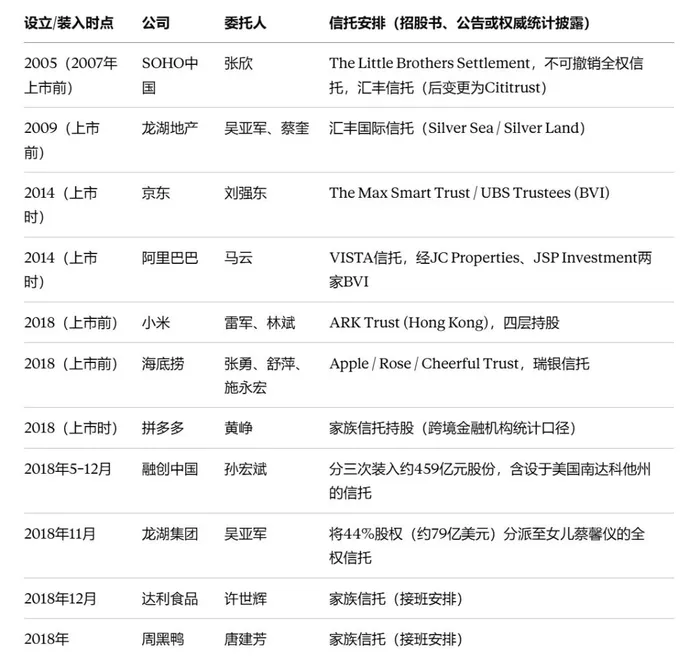
黃崢、雷軍、馬雲、林斌、劉強東、張勇、許世輝、王興、吳亞軍、宗慶後家族、潘石屹張欣......都面對類似問題。(新浪財經)近期,海底撈創始人家族折價拋售27.5億港元股票、市場測算潘石屹張欣夫婦或面臨數十億元補稅壓力等消息接連沖上熱搜。很多人刷到新聞,第一反應只是看熱鬧:這是頂級富豪的財務風波,離普通人的生活很遠。但如果讀懂背後離岸信託個稅新規的政策邏輯就會發現,這場稅務監管的收緊,傳遞的是一套面向全社會的財富治理訊號,它的影響邊界,遠比想像中更廣。

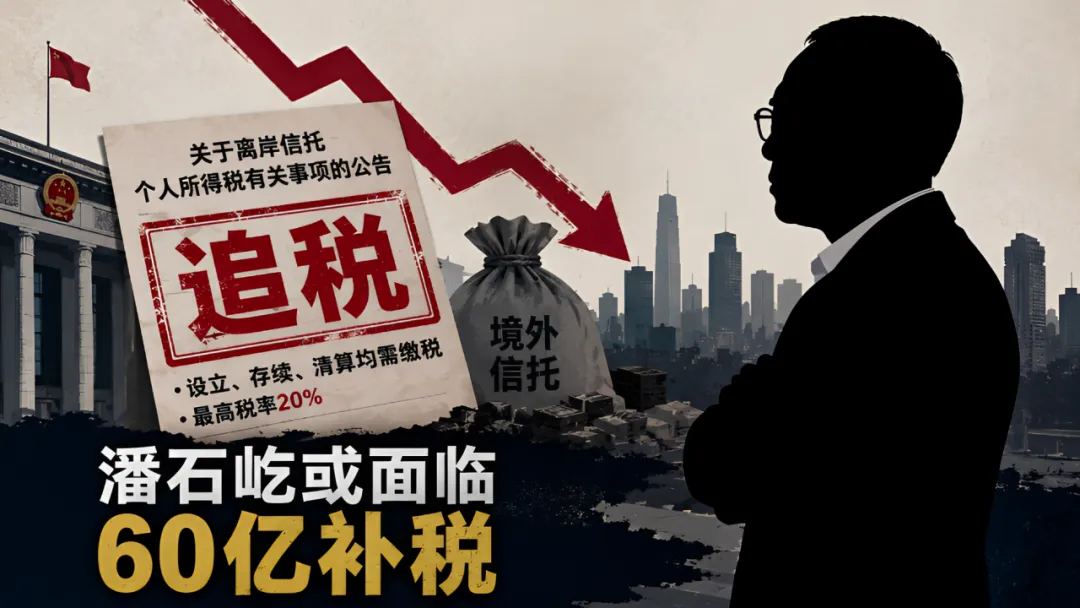
過去二十多年,離岸信託是不少高淨值人群常用的跨境資產工具。通過開曼、英屬維京群島等離岸地設立家族信託,把上市公司股權、不動產分紅層層裝入架構,在舊有規則下,資產增值、分紅可以長期留在境外,避開國內稅務監管。潘石屹夫婦的架構就是典型樣本:SOHO中國港股上市後,核心股權被置入開曼信託,2014年後陸續出售國內商業物業,累計套現超293億元,分紅上百億元,資金轉入海外信託體系,用於購置紐約商業地產與豪宅;而國內望京SOHO項目產生的土地增值稅長期拖欠,本金疊加滯納金不斷累積。
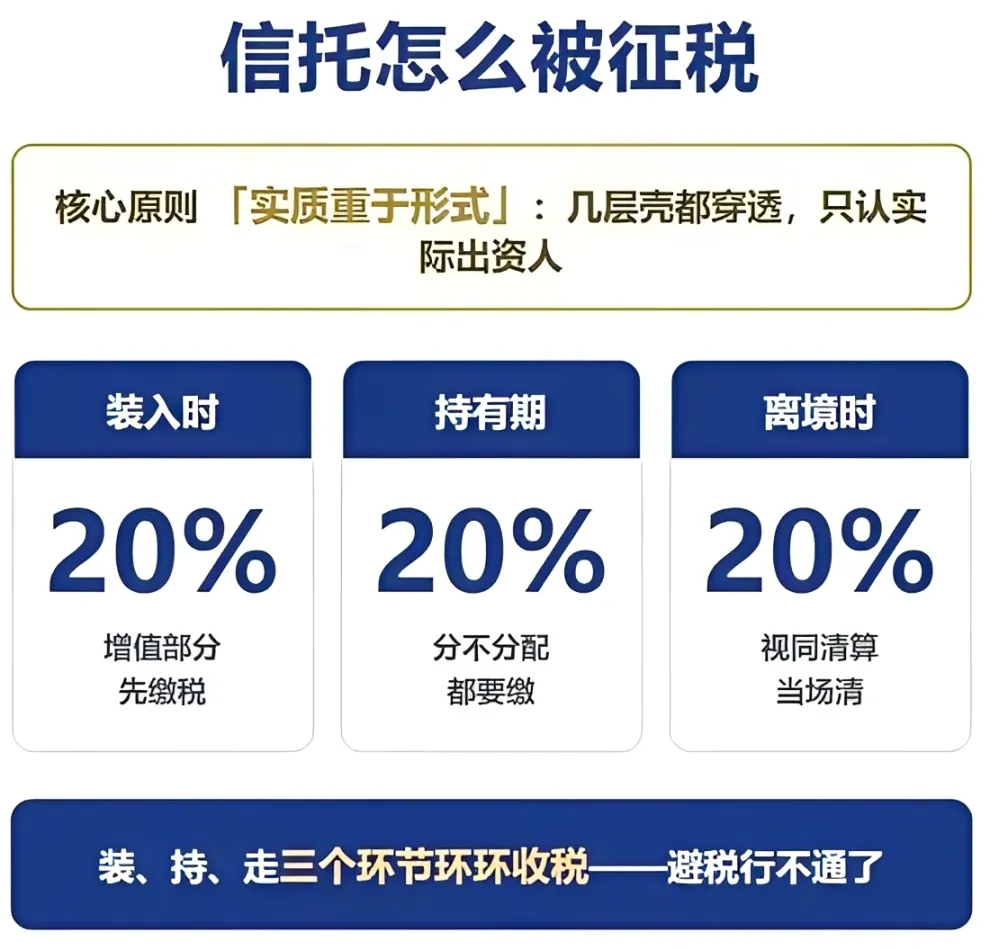
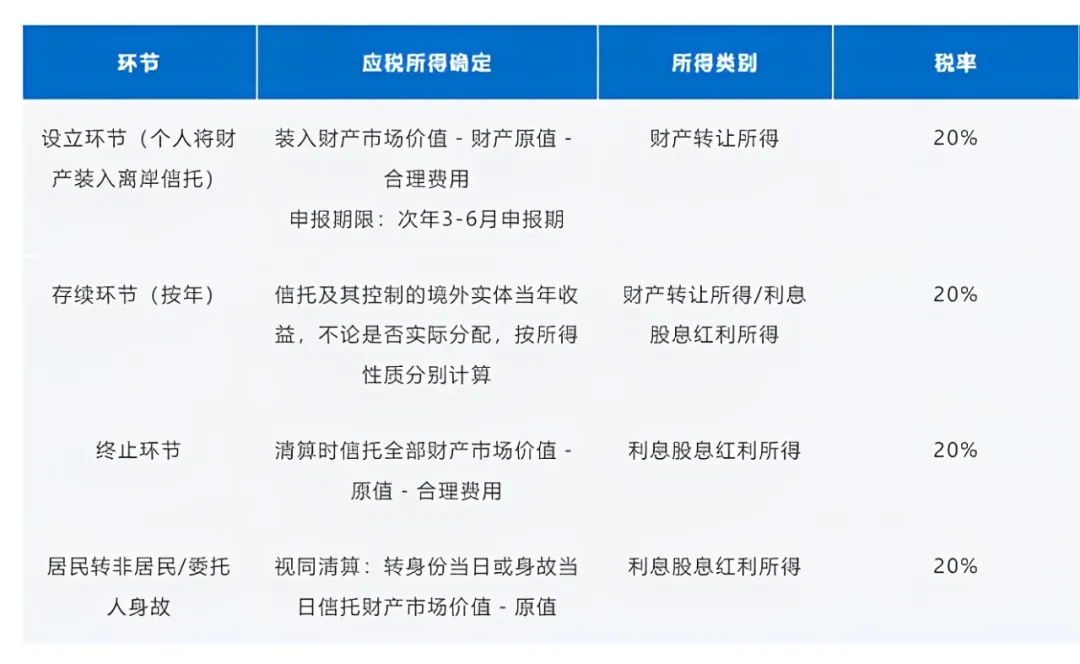
而2026年7月24日出台的財政部、稅務總局21號公告,直接改寫了這套玩法。新規明確,居民個人將財產裝入離岸信託,視同財產轉讓,需要按20%繳納個人所得稅;信託存續期間產生的收益,無論是否分配到個人手中,都要按年申報徵稅。更關鍵的一條反避稅規則是:即便個人已經取得外國護照、境外永居身份,只要主要經濟利益仍在中國境內,稅務機關依然可以將其判定為中國稅務居民,全球所得納入徵稅範圍。多層殼公司搭建的“資產隱身衣”,被穿透式監管撕開了口子。
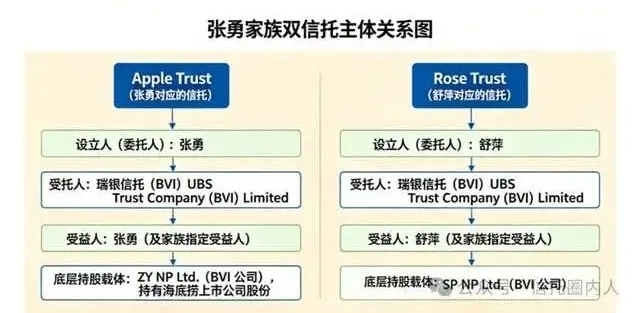
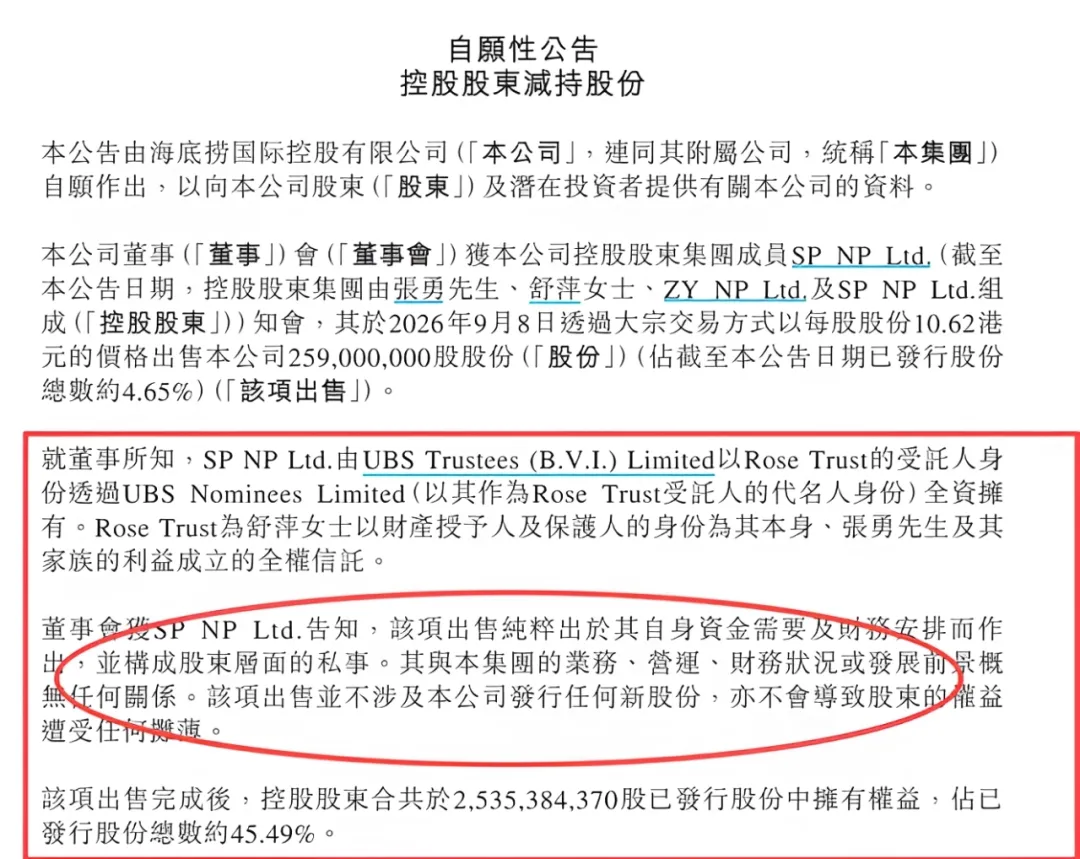
市場上,海底撈家族折價減持,也被放在這一政策背景下解讀。舒萍名下Rose信託所持股份折價賣出,公告表述為股東個人財務安排,但恰逢離岸信託新規落地、存量信託進入90天申報窗口期,市場普遍猜測,部分富豪選擇提前變現,是為應對新規帶來的潛在納稅現金流壓力。

當然要釐清一點:網傳潘石屹夫婦幾十億補稅金額屬於市場情景測算,並非稅務機關出具的正式處罰文書;新規也不是一刀切廢除離岸信託,信託的財富隔離、家族傳承功能依然保留,只是過去依靠離岸架構規避境內納稅義務的通道被封堵。
不少人會產生錯覺:稅務稽查的槍口只對準億萬富豪,個稅、離岸資產這些話題,和月薪幾千上萬的上班族毫無關係。但稅制改革的邏輯並不是只針對少數群體,而是逐步完善全鏈條的徵管體系,實現稅收公平。個稅的徵管範圍正在持續擴圍,過去監管重心集中在工資薪金,如今巨量資料徵管之下,資本收益、房產轉讓收益、境外帳戶收入,都會逐步納入監管視野。未來,不只是上市公司大股東,擁有多套房產、境外金融帳戶、大額投資收益的中產群體,同樣需要做好收入申報,不能默認海外帳戶就是法外之地。
監管趨嚴的連鎖效應,還會順著產業鏈傳導到實體經濟。當企業社保、個稅、各類稅費全面走向合規,餐飲、物流、酒店這類勞動密集型企業的用工成本會抬升。合規成本增加,部分企業會壓縮招聘崗位、調整薪酬結構,也有企業會把成本轉嫁到商品與服務價格上。與此同時,消費稅擴容、出口退稅最佳化等財稅工具陸續落地,最終都會反映在日常消費的物價裡。稅收是社會財富再分配的樞紐,一端約束資本與高收入群體,另一端深刻影響市場用工、商品定價與民生成本。
當然,我們不必陷入恐慌。稅制規範化,不等於無差別加稅,核心目標是補齊徵管漏洞,糾正“富人有管道避稅,工薪族個稅足額代扣”的不公平現象。普通人要做的,是順應監管趨勢,建立更成熟的財商觀念。
首先,要樹立合法納稅的底線意識。無論是工資收入、房租收益、自媒體勞務報酬,都應當依法如實申報,不要輕信網路上流傳的“避稅偏方”。
其次,資產配置儘量選擇正規管道,不要盲目追捧一些宣稱可以跨境免稅的複雜金融架構。跨境資產、海外帳戶,未來資訊交換會越來越透明,CRS全球涉稅資訊交換框架之下,境外資產很難長期隱匿。
第三,理性看待財富的本質,財富的合法性優先於財富規模。過去部分資本利用規則時差、地域差異轉移收益的時代正在落幕,依靠真實生產、勞動創造價值,才是長期穩定的路徑。
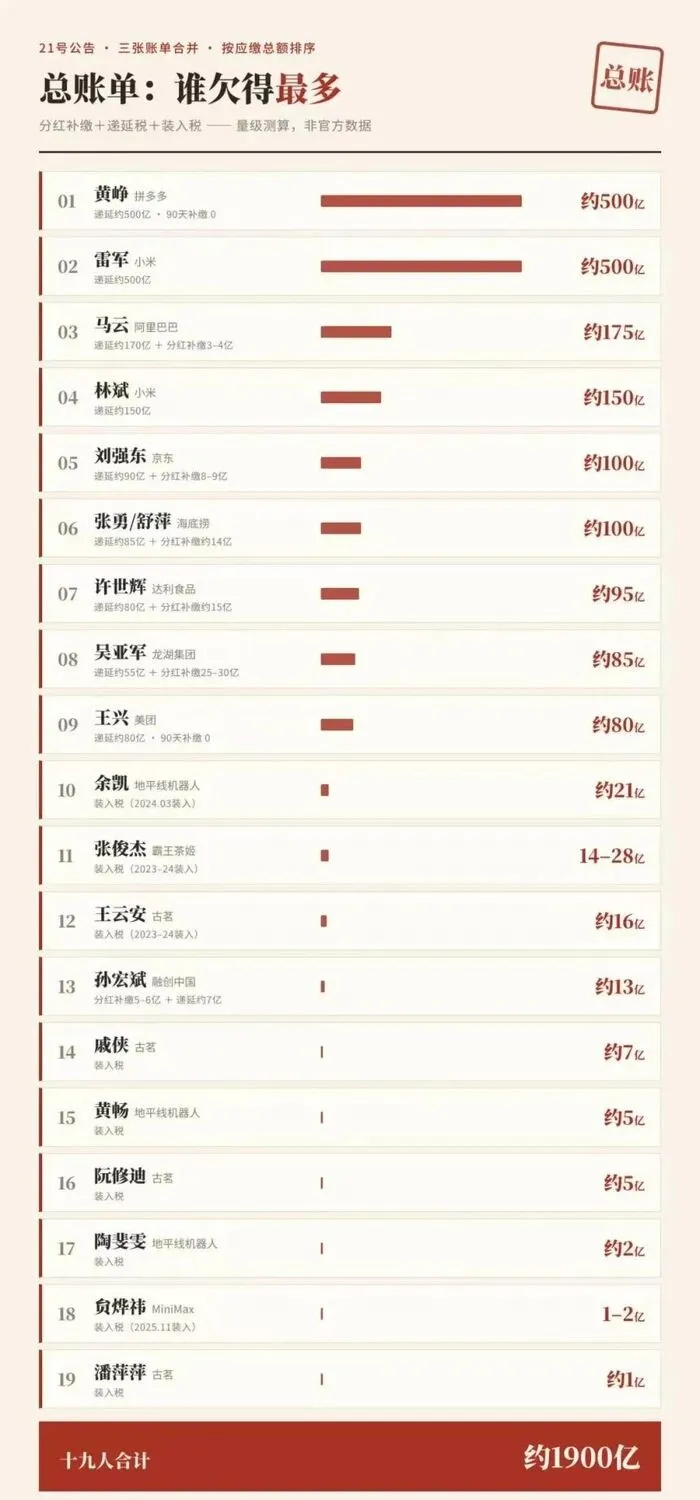
這場富豪補稅潮,本質是國家財稅治理現代化的縮影。在全球涉稅資訊透明化、國內金稅系統持續升級的背景下,“賺了錢想辦法轉移出境、規避納稅義務”的舊模式難以為繼。
稅收的核心使命,是調節收入差距,用徵收到的財政資金投入養老、醫療、教育等公共保障。當高收入群體的資本收益得到有效監管,稅收負擔更加公平,整個社會保障體系才有更穩固的根基,最終惠及所有普通人。
財富沒有法外之地,稅收公平也並非只針對富豪的口號。離岸信託新規敲響的警鐘,既是給資本劃定邊界,也提醒每一個人:在數位化、穿透式的稅務時代,所有人都要在清晰的規則之下管理收入與資產。
Wealthy Individuals Facing Tax Settlement for Offshore Assets: Not Just a Show for the Rich
Recently, news stories such as the founder family of Haidilao selling off stocks worth 2.75 billion Hong Kong dollars at a discount and market estimates that Pan Shiyi and Zhang Xin (Marita) may need to settle 2 to 3 billion yuan in back taxes have repeatedly made headlines. Many people simply treat these events as sensational gossip and assume they have nothing to do with ordinary citizens. Yet understanding the policy logic behind the new rules governing offshore trusts reveals that this tightening of tax supervision sends broader signals for national wealth governance, and its impacts stretch far beyond billionaires.

Over the past two decades, offshore trusts have been a common cross-border asset tool used by many high-net-worth individuals. By establishing family trusts in offshore jurisdictions such as the Cayman Islands and the British Virgin Islands, owners could layer listed company equity and real estate dividends inside complex structures. Under old rules, asset appreciation and dividends could remain overseas for long periods and escape domestic tax oversight. The structure adopted by Pan Shiyi and Zhang Xin serves as a typical example. After SOHO China was listed in Hong Kong, core equity was placed inside a Cayman trust. From 2014 onward, they successively sold domestic commercial properties, cashing out more than 29.3 billion yuan in total and receiving billions in dividends. The funds flowed into overseas trust vehicles and were used to buy commercial real estate and luxury residences in New York. Meanwhile, land appreciation tax arising from the Wangjing SOHO project in China remained unpaid for years, with principal and late fees accumulating continuously.
The new Announcement No.21 issued by the Ministry of Finance and the State Taxation Administration on July 24, 2026 rewrites the old playbook. The new regulation clarifies that when a tax resident transfers property into an offshore trust, the action is treated as a property transfer subject to 20 percent individual income tax. Income generated within the trust during its term must be declared for taxation annually regardless of whether it is distributed to individuals. A critical anti-avoidance clause states that even if a person holds a foreign passport or permanent residency overseas, tax authorities may still deem them a Chinese tax resident if their main economic interests lie within China. Multi-layered shell companies that once acted as “invisibility cloaks for assets” are now subject to look-through supervision.
Market analysts interpret the discounted share reduction by the Haidilao family against this policy backdrop. Shares held by Shu Ping through the Rose Trust were sold at a discount; the public announcement framed the transaction as personal financial arrangements. Still, it coincided with the 90-day filing window for existing offshore trusts under the new rules. Many market participants speculate that some wealthy people are realizing assets in advance to meet potential cash flow needs for tax payments. One important distinction must be noted: the multi-billion-yuan back-tax figures linked to Pan Shiyi and Zhang Xin are scenario-based market estimates rather than formal penalty documents from tax authorities. The new rules do not abolish offshore trusts outright. Trusts still retain functions for asset protection and family succession. What is blocked is the old channel of using offshore structures to evade domestic tax liabilities.
A common misconception is that tax audits target only billionaires, leaving salaried workers untouched. Tax reform is never designed to focus solely on a small elite group. Instead, it gradually builds a full-cycle collection and administration system to advance tax fairness. The scope of individual tax collection keeps expanding. Oversight once centered mainly on wages and salaries. Now, powered by big-data tax systems, capital gains, profits from property transfers and income from overseas accounts are gradually brought under supervision. Going forward, regulatory attention will extend beyond major shareholders of listed firms. Middle-class households holding multiple properties, overseas financial accounts or large investment gains will also need to declare income truthfully and cannot assume foreign accounts exist outside legal reach.
Tighter supervision creates ripple effects that spread through the real economy. When enterprises fully comply with social insurance, individual income tax and other tax obligations, labor-intensive sectors including catering, logistics and hospitality face rising staffing costs. Higher compliance expenses may lead some firms to cut recruitment or adjust compensation packages. Others pass extra costs on to consumers through higher prices. Meanwhile, adjustments such as expanded consumption tax coverage and refined export tax rebates will also affect commodity prices and household budgets. Taxation functions as a hub for social wealth redistribution. It restrains capital and high-income groups on one hand, and shapes labor markets, pricing and living costs on the other.

Panic is unnecessary. Standardized taxation does not mean indiscriminate tax hikes. Its core goal is to plug administrative loopholes and correct unfairness in a system where high earners once had avenues to avoid tax while salaried employees had taxes withheld directly from paychecks. Ordinary people should adapt to regulatory trends and build mature financial literacy.
First, maintain a bottom-line awareness of lawful tax payment. Income from salaries, rental property, freelance work and content creation should all be declared honestly. Do not trust online schemes marketed as legal tax avoidance.
Second, prefer formal channels for asset allocation and avoid chasing complex cross-border financial structures advertised as tax-exempt. Information exchange under the CRS framework makes overseas assets far harder to conceal.
Third, rethink the nature of wealth: legality matters more than scale. The era when some capital groups exploited gaps between rules and jurisdictions to shift earnings abroad is drawing to a close. Sustainable wealth comes from genuine production and labor.
This wave of tax settlements among wealthy individuals epitomizes the modernization of China's fiscal and tax governance. With global transparency of tax-related information and continuous upgrades to domestic Golden Tax systems, the old model of earning profits and moving funds overseas to dodge tax obligations is no longer viable. The fundamental purpose of taxation is to narrow income gaps and fund public services such as pensions, medical care and education. Effective oversight of capital gains from high-income groups creates a fairer tax burden and lays a sturdier foundation for social security that benefits every member of society.
No wealth exists beyond the reach of the law, and tax fairness is not a slogan reserved only for the rich. The new offshore trust rules serve as a warning to define boundaries for capital. They also remind everyone that, in an age of digital, look-through tax administration, all individuals must manage income and assets under clear rules.

Key Vocabulary:
1. offshore /ˌɒfˈʃɔː(r)/ adj. located or based in a foreign country, often with lighter regulation 離岸的;文中指設立在境外低監管地區的信託與資產架構
2. trust /trʌst/ n. a legal arrangement holding assets for designated beneficiaries 信託;文中指用於家族資產隔離、傳承的離岸家族信託
3. high-net-worth /ˌhaɪ net ˈwɜːθ/ adj. possessing a large value of net assets 高淨值的;文中指代擁有巨額資產的富豪群體
4. jurisdiction /ˌdʒʊərɪsˈdɪkʃn/ n. a territory with its own legal and tax rules 司法管轄區;文中指開曼、英屬維爾京等境外離岸地區
5. dividend /ˈdɪvɪdend/ n. a sum of money paid regularly by a company to its shareholders 分紅,股息;文中指上市公司股權產生的收益
6. anti-avoidance /ˈænti əˈvɔɪdəns/ adj. designed to prevent illegal tax avoidance 反避稅的;文中指封堵逃稅操作的稅法條款
7. resident /ˈrezɪdənt/ n. a person treated as liable to tax within a country 居民(稅務);文中“tax resident”即稅務居民
8. look-through /lʊk θruː/ adj. an approach that disregards intermediate shell entities to trace ultimate ownership 穿透式的;文中指稅務機關繞過殼公司追溯實際控制人
9. shell /ʃel/ n. a company with no substantial business, set up for legal or financial purposes 殼(公司);文中指沒有實際經營、僅用於持有資產的空殼主體
10. supervision /ˌsuːpəˈvɪʒn/ n. official monitoring and oversight 監管;文中指稅務部門對跨境資產的稽查管理
11. settlement /ˈsetlmənt/ n. the act of paying back overdue taxes or debts 清繳,結算;文中指補繳欠稅
12. speculation /ˌspekjuˈleɪʃn/ n. opinion or guess without conclusive proof 推測,市場揣測;文中指市場對富豪減持原因的非官方判斷
13. succession /səkˈseʃn/ n. the transfer of assets from one generation to the next 傳承;文中指家族財富代際安排
14. loophole /ˈluːphəʊl/ n. an ambiguity in rules that allows evasion of obligations 漏洞;文中指過去被用來規避納稅的規則缺口
15. salaried /ˈsælərid/ adj. receiving a regular wage from employment 領薪的;文中指代普通工薪上班族
16. compliance /kəmˈplaɪəns/ n. the act of obeying laws, tax rules and official requirements 合規;文中指企業依法足額繳稅、繳納社保
17. ripple /ˈrɪpl/ n. a secondary spreading effect from an initial event 漣漪;文中“ripple effects”即連鎖傳導效應
18. indiscriminate /ˌɪndɪˈskrɪmɪnət/ adj. done without distinguishing between different cases 無差別的;文中指並非不加區分地普遍加稅
19. literacy /ˈlɪtərəsi/ n. knowledge and competence in a specific field 素養;文中“financial literacy”即財商、財務認知能力
20. epitomize /ɪˈpɪtəmaɪz/ v. serve as a typical example of a larger trend 是……的縮影;文中指富豪補稅潮代表財稅治理改革的大方向

(AI時代潮)